Loading...
ArchiveBusiness
Why Your SaaS Should Segment Trial Users by Intent and How to Do It Right
This is an archived article from the previous version of this site. It is preserved here for reference.
When I think about the world of SaaS, one of the most critical aspects that often gets overlooked is the segmentation of trial users by their intent. It’s easy to assume that all users who sign up for a trial are on the same journey, but that couldn’t be further from the truth. Each user comes with their own set of motivations, expectations, and goals.
By understanding these nuances, I can tailor my approach to meet their specific needs, ultimately leading to higher conversion rates and better customer satisfaction. Segmenting trial users by intent allows me to create a more personalized experience. When I know why someone is trying my product, I can provide them with the right resources and support at the right time.
This not only enhances their experience but also increases the likelihood that they will convert to paying customers. It’s about creating a connection and showing users that I understand their unique challenges and aspirations. This level of personalization can make all the difference in a crowded SaaS market.
Key Takeaways
- Segmenting trial users by intent is important for understanding their motivations and needs, and for providing a personalized onboarding experience.
- Different user intent types include exploratory, solution-oriented, and comparison-oriented, each requiring a unique approach to onboarding and communication.
- Customized onboarding experiences for different user segments can be created by tailoring the onboarding process, messaging, and product demonstrations to align with their specific intent.
- Leveraging user data, such as behavior patterns and feedback, can help determine user intent and inform personalized communication strategies.
- Implementing personalized communication strategies, such as targeted emails and in-app messaging, can help engage trial users and guide them towards conversion.
- Measuring the impact of intent-based segmentation is crucial for evaluating the effectiveness of the onboarding process and communication strategies.
- Common challenges in segmenting trial users by intent include limited data availability, difficulty in accurately identifying intent, and maintaining consistency across different user segments.
- Best practices for successful intent-based segmentation include conducting thorough user research, continuously refining segmentation criteria, and regularly evaluating and adjusting the onboarding process and communication strategies.
Identifying Different User Intent Types
Exploring Solutions
Some users are exploring solutions to a specific problem; they're looking for a quick fix or a tool that can help them streamline their processes.Research Phase
Others might be in the research phase, gathering information to compare various options before making a decision. Then there are those who are already convinced of the value of my product but need reassurance or additional features to seal the deal.Tailored Approach
Understanding these intent types allows me to craft targeted messaging and resources. On the other hand, if I recognize a user who is ready to convert but has lingering doubts, I can offer them case studies or testimonials that address their specific concerns. This tailored approach not only enhances user experience but also builds trust and credibility.Creating Customized Onboarding Experiences for Different User Segments

Once I’ve identified user intent types, the next step is creating customized onboarding experiences tailored to each segment. A one-size-fits-all approach simply doesn’t cut it in today’s competitive landscape. For users who are looking for quick solutions, I focus on streamlined onboarding processes that get them up and running in no time.
This might involve guided tours or quick-start guides that highlight essential features relevant to their needs. Conversely, for users who are in the research phase, I take a more educational approach during onboarding. This could include webinars or in-depth tutorials that not only showcase my product’s capabilities but also provide insights into industry best practices.
By catering to the specific needs of each segment during onboarding, I set the stage for a positive user experience that encourages long-term engagement and loyalty.
Leveraging User Data to Determine Intent
Leveraging user data is crucial in determining intent accurately. I rely on various data points, such as user behavior during the trial period, engagement metrics, and feedback collected through surveys or interviews. Analyzing this data helps me identify patterns and trends that reveal what users are truly looking for.
For example, if I notice that a significant number of users are frequently accessing certain features, it’s a strong indicator of their intent and interest. Additionally, I utilize tools like heatmaps and session recordings to gain deeper insights into how users interact with my product. This qualitative data complements quantitative metrics and provides a more holistic view of user intent.
By combining these insights, I can make informed decisions about how to segment users effectively and tailor my strategies accordingly.
Implementing Personalized Communication Strategies
Once I have a clear understanding of user intent and have segmented my audience accordingly, it’s time to implement personalized communication strategies. This is where I can really shine by crafting messages that resonate with each user segment. For instance, if I’m reaching out to users who are exploring options, my communication might focus on educational content and comparisons with competitors.
On the other hand, for users who are on the verge of converting, I might send personalized offers or incentives to encourage them to take the final step. I also pay attention to the timing and frequency of my communications. Bombarding users with messages can be counterproductive, so I aim for a balanced approach that respects their time while keeping them engaged.
By personalizing my communication strategies based on user intent, I create a more meaningful connection that fosters trust and encourages users to move further along their journey.
Measuring the Impact of Intent-Based Segmentation
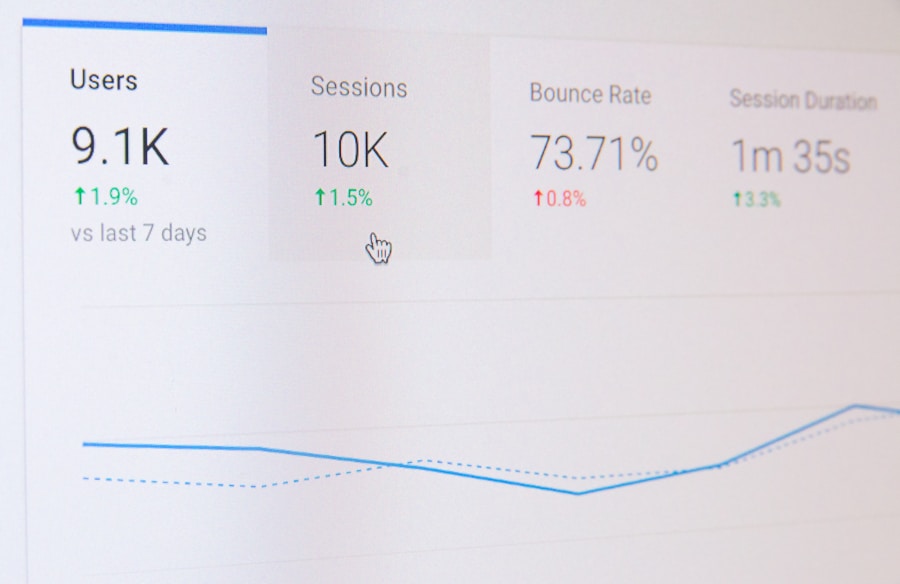
Measuring the impact of intent-based segmentation is essential for understanding its effectiveness and refining my strategies over time. I track key performance indicators (KPIs) such as conversion rates, user engagement levels, and customer satisfaction scores to gauge how well my segmentation efforts are paying off. By analyzing these metrics, I can identify which segments are responding positively and which may require adjustments in my approach.
A/B testing also plays a significant role in this process. By experimenting with different messaging strategies or onboarding experiences for various segments, I can gather valuable data on what resonates best with each group. This iterative approach allows me to continuously improve my segmentation efforts and ensure that I’m meeting the evolving needs of my users.
Addressing Common Challenges in Segmenting Trial Users by Intent
While segmenting trial users by intent offers numerous benefits, it’s not without its challenges. One common hurdle I encounter is accurately identifying user intent from limited data points. Users may not always express their intentions clearly, leading to potential misinterpretations.
To combat this, I focus on gathering as much qualitative feedback as possible through surveys and direct interactions. Another challenge lies in maintaining flexibility within my segmentation strategy. User intent can change over time based on various factors such as market trends or personal circumstances.
It’s crucial for me to remain agile and adapt my segmentation approach as needed. Regularly revisiting my user data and being open to adjustments ensures that I stay aligned with my users’ evolving needs.
Best Practices for Successful Intent-Based Segmentation
To wrap things up, there are several best practices I’ve found invaluable for successful intent-based segmentation. First and foremost, continuous data collection is key. Regularly gathering feedback and monitoring user behavior helps me stay attuned to shifts in intent and preferences.
Secondly, collaboration across teams is essential. Involving marketing, sales, and customer support teams in the segmentation process ensures a holistic understanding of user intent and fosters alignment in messaging and strategies. Lastly, never underestimate the power of testing and iteration.
The SaaS landscape is dynamic, and what works today may not work tomorrow. By embracing a culture of experimentation and being willing to pivot based on data-driven insights, I can refine my segmentation efforts and ultimately drive better outcomes for both my users and my business. In conclusion, segmenting trial users by intent is not just a strategy; it’s a mindset shift that can transform how I engage with potential customers.
By understanding their unique motivations and tailoring experiences accordingly, I can create lasting relationships that lead to success for both parties involved.
If you're interested in learning more about the financial aspects of running a startup, you should check out Why Most Startups Fail: Unpacking the Top 5 Financial Blunders. By understanding the financial pitfalls that many startups face, you can better prepare yourself for success in the competitive business world.