Loading...
ArchiveProduct
Why SaaS Platforms Need Modular Architecture and How to Implement It for Faster Iteration
This is an archived article from the previous version of this site. It is preserved here for reference.
In the rapidly evolving landscape of Software as a Service (SaaS), the architecture of a platform plays a pivotal role in determining its success and longevity. Modular architecture, characterized by its division into distinct, interchangeable components, has emerged as a crucial design philosophy for SaaS platforms. This approach not only enhances flexibility but also allows for more efficient development and deployment processes.
As I delve into the significance of modular architecture, I recognize that it empowers organizations to respond swiftly to market demands and user feedback, ultimately leading to a more robust and user-centric product. The importance of modular architecture extends beyond mere flexibility; it fosters innovation and collaboration within development teams. By breaking down a platform into smaller, manageable modules, teams can work concurrently on different components without stepping on each other's toes.
This parallel development accelerates the overall timeline for feature releases and updates, enabling companies to stay competitive in a crowded marketplace. Furthermore, modular architecture facilitates easier integration of third-party services and tools, allowing SaaS providers to enhance their offerings without overhauling the entire system. In this way, modular architecture not only supports current operational needs but also lays a solid foundation for future growth and adaptability.
Key Takeaways
- Modular architecture in SaaS platforms allows for flexibility and scalability, making it easier to adapt to changing business needs.
- Faster iteration is a key advantage of modular architecture, as it allows for independent development and deployment of modules, reducing time to market.
- Key components of modular architecture in SaaS platforms include microservices, APIs, and containerization, which enable independent development and deployment of modules.
- Best practices for implementing modular architecture in SaaS platforms include defining clear module boundaries, managing dependencies, and ensuring communication between modules.
- Choosing the right technologies for modular architecture is crucial, as it can impact the flexibility, scalability, and performance of the SaaS platform.
Advantages of Modular Architecture for Faster Iteration
One of the most compelling advantages of modular architecture is its capacity for faster iteration. In an industry where user expectations are constantly shifting, the ability to quickly adapt and implement changes is invaluable. With a modular approach, I can isolate specific features or functionalities, making it easier to test new ideas or refine existing ones without disrupting the entire system.
This iterative process not only accelerates development cycles but also enhances the quality of the final product, as I can gather user feedback and make adjustments in real-time. Moreover, the modular design allows for continuous integration and deployment practices, which are essential for maintaining a competitive edge in the SaaS market. By utilizing automated testing and deployment pipelines, I can ensure that new modules are seamlessly integrated into the existing architecture.
This not only reduces the risk of introducing bugs but also allows for frequent updates that keep users engaged and satisfied. The result is a dynamic platform that evolves in tandem with user needs, ultimately leading to higher retention rates and customer loyalty.
Key Components of Modular Architecture in SaaS Platforms
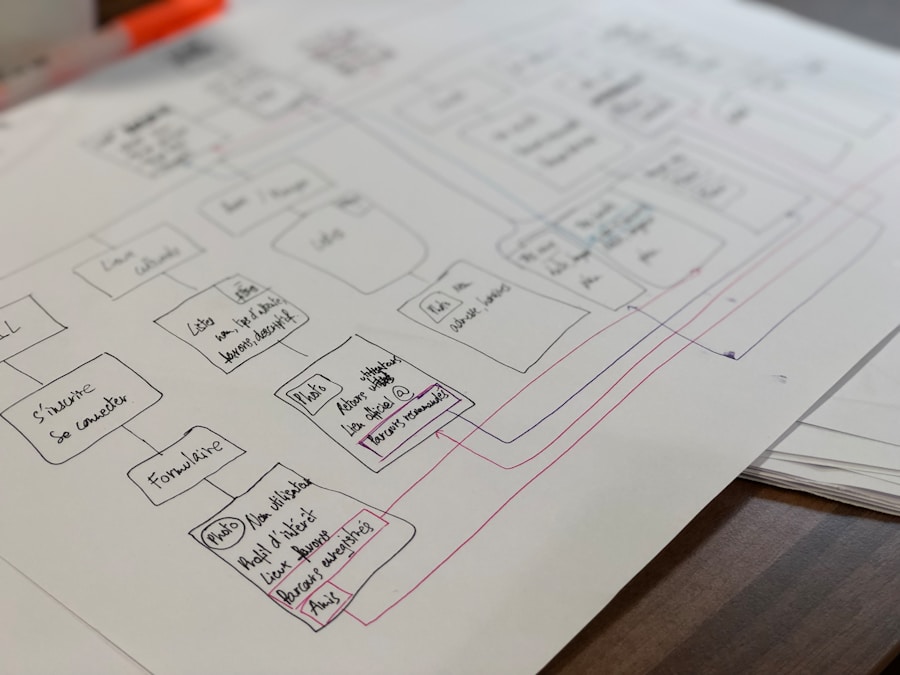
Understanding the key components of modular architecture is essential for anyone looking to implement this design philosophy in their SaaS platform. At its core, modular architecture consists of independent modules that encapsulate specific functionalities or services. Each module communicates with others through well-defined interfaces, allowing for seamless interaction while maintaining autonomy. Another critical component is the use of APIs (Application Programming Interfaces) to facilitate communication between modules. APIs serve as the bridge that connects different parts of the system, enabling them to work together harmoniously.
By designing robust APIs, I can ensure that each module can be updated or replaced without affecting the overall functionality of the platform. Additionally, adopting microservices architecture can further enhance modularity by allowing each service to be developed, deployed, and scaled independently. This approach not only streamlines development but also optimizes resource allocation, making it easier to manage workloads effectively.
Implementing Modular Architecture in SaaS Platforms: Best Practices
When it comes to implementing modular architecture in SaaS platforms, adhering to best practices is crucial for success. One of the first steps I take is to define clear boundaries for each module based on functionality and business requirements. This clarity helps prevent overlap and ensures that each module serves a distinct purpose within the overall system.
Additionally, I prioritize documentation throughout the development process, as comprehensive documentation aids in onboarding new team members and facilitates collaboration across different teams. Another best practice involves adopting a consistent naming convention and coding standards across all modules. This consistency not only improves code readability but also simplifies maintenance efforts in the long run.
Furthermore, I emphasize the importance of automated testing for each module before integration into the main platform. By implementing unit tests and integration tests early in the development cycle, I can identify potential issues before they escalate, ensuring a smoother deployment process.
Choosing the Right Technologies for Modular Architecture
Selecting the appropriate technologies is a critical aspect of building a successful modular architecture in SaaS platforms. The choice of programming languages, frameworks, and tools can significantly impact the performance and scalability of each module. For instance, I often consider using containerization technologies like Docker to encapsulate each module along with its dependencies.
This approach not only simplifies deployment but also ensures consistency across different environments. Additionally, I evaluate cloud services that offer scalability and flexibility tailored to modular architectures. Platforms like AWS or Azure provide various services that can be leveraged to enhance modularity, such as serverless computing or managed databases.
By choosing technologies that align with my architectural goals, I can create a more resilient and adaptable SaaS platform capable of meeting evolving user demands.
Testing and Debugging in a Modular Architecture Environment

Testing and debugging are integral components of maintaining a robust modular architecture in SaaS platforms. Given that each module operates independently yet interacts with others, I must adopt a comprehensive testing strategy that encompasses both unit testing and integration testing. Unit tests allow me to verify that individual modules function correctly in isolation, while integration tests ensure that these modules work seamlessly together.
In addition to traditional testing methods, I find it beneficial to implement continuous testing practices within my development pipeline. By automating tests at various stages of development, I can quickly identify issues before they reach production. Furthermore, employing monitoring tools post-deployment enables me to track performance metrics and detect anomalies in real-time.
This proactive approach to testing and debugging not only enhances system reliability but also contributes to an overall positive user experience.
Managing Dependencies and Interactions Between Modules
Managing dependencies and interactions between modules is another critical aspect of maintaining a successful modular architecture in SaaS platforms. As I develop new features or update existing ones, I must be mindful of how changes in one module may impact others.
This practice ensures that each module can evolve independently while still maintaining compatibility with the overall system. Additionally, I utilize dependency management tools to keep track of library versions and external dependencies associated with each module. By maintaining an up-to-date inventory of dependencies, I can avoid conflicts that may arise from version mismatches or deprecated libraries.
Regularly reviewing and updating these dependencies not only enhances security but also improves performance across the platform.
Scaling and Evolving Modular Architecture for Future Growth
As my SaaS platform grows, scaling and evolving its modular architecture becomes increasingly important. One effective strategy I employ is horizontal scaling, which involves adding more instances of specific modules rather than upgrading existing ones. This approach allows me to distribute workloads more evenly across multiple servers, enhancing performance during peak usage times.
Moreover, I remain vigilant about emerging technologies and industry trends that could influence my platform's architecture. By staying informed about advancements such as serverless computing or edge computing, I can make informed decisions about how to evolve my modular architecture over time. Embracing change and being open to experimentation ensures that my SaaS platform remains relevant and capable of meeting future challenges head-on.
In conclusion, modular architecture is not just a design choice; it is a strategic imperative for SaaS platforms aiming for longevity and success in an ever-changing market landscape. By understanding its importance, leveraging its advantages for faster iteration, implementing best practices, choosing the right technologies, managing dependencies effectively, and planning for future growth, I can create a resilient platform that meets user needs today while remaining adaptable for tomorrow's challenges.
If you're interested in exploring the unexpected pathways to success, you may want to check out the article Embracing Failure: The Unexpected Pathway to Success. This piece delves into the importance of learning from mistakes and how failure can actually lead to greater achievements in the long run. It's a fascinating read that complements the discussion on modular architecture in SaaS platforms and the need for faster iteration.