Loading...
ArchiveProduct
Why SaaS Onboarding Should Be Personalized Based on User Intent Instead of Generic Flows
This is an archived article from the previous version of this site. It is preserved here for reference.
As I delve into the world of Software as a Service (SaaS), I quickly realize that onboarding is not just a mere formality; it is a critical component that can determine the success or failure of a product. Onboarding serves as the bridge between a potential customer’s initial interest and their long-term engagement with the software. It is during this phase that users form their first impressions, and if they encounter difficulties or confusion, they may abandon the product altogether.
Therefore, I understand that effective onboarding is essential for user retention, satisfaction, and ultimately, the growth of the business. Moreover, onboarding is not a one-size-fits-all process. Each user comes with unique needs, expectations, and levels of technical proficiency.
This diversity means that a generic onboarding experience can often fall short, leaving users feeling lost or overwhelmed. I recognize that by investing time and resources into creating a tailored onboarding experience, I can significantly enhance user engagement and satisfaction. This understanding drives me to explore how personalized onboarding can transform the user experience and lead to better outcomes for both users and the SaaS provider.
Key Takeaways
- SaaS onboarding is crucial for user retention and product success
- Generic onboarding flows may not effectively address the specific needs and goals of individual users
- Personalized onboarding based on user intent can lead to higher user satisfaction and engagement
- User intent, such as their goals and pain points, can significantly impact their onboarding experience
- Implementing personalized onboarding strategies requires understanding user intent and leveraging tools and techniques for identification
The Limitations of Generic Onboarding Flows
Reflecting on my experiences with various SaaS products, I have often encountered generic onboarding flows that seem to apply a cookie-cutter approach to user engagement. These flows typically involve a series of standardized tutorials or walkthroughs that fail to consider the individual needs of users. As I navigate through these processes, I find myself frustrated by the lack of relevance to my specific use case.
This realization has led me to appreciate the limitations inherent in generic onboarding strategies. Generic onboarding flows often overlook critical factors such as user intent, prior experience, and specific goals. For instance, a new user might be looking to solve a particular problem or achieve a specific outcome, but a generic flow may not address these needs effectively.
Instead of feeling empowered and informed, I often feel like I am being led through a maze without any clear direction. This lack of personalization can result in disengagement and ultimately lead to churn, as users may feel that the software does not cater to their unique requirements.
The Benefits of Personalized Onboarding Based on User Intent
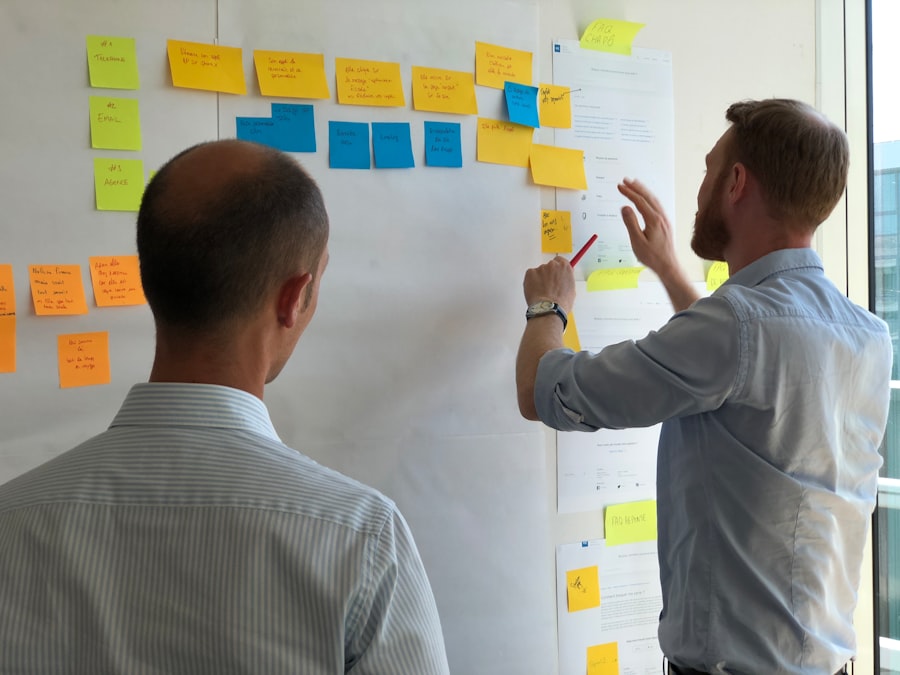
As I explore the concept of personalized onboarding, I begin to see its transformative potential. By tailoring the onboarding experience to align with user intent, I can create a more engaging and relevant journey for each individual. Personalized onboarding allows me to address specific user needs right from the start, ensuring that they feel understood and supported.
This approach not only enhances user satisfaction but also fosters a sense of loyalty toward the product. Furthermore, personalized onboarding can lead to quicker time-to-value for users. When I am guided through features and functionalities that directly relate to my goals, I am more likely to see immediate benefits from the software.
This swift realization of value can significantly boost my confidence in using the product and encourage me to explore its full potential. Ultimately, by focusing on user intent during onboarding, I can create a more meaningful connection between users and the software, paving the way for long-term success.
How User Intent Can Impact SaaS Onboarding
Understanding user intent is crucial in shaping an effective onboarding experience. As I reflect on my interactions with various SaaS platforms, I recognize that each user's intent can vary widely based on their background, industry, and specific challenges they aim to address. For instance, a marketing professional may seek analytics tools to track campaign performance, while a project manager might prioritize collaboration features.
By identifying these distinct intents, I can tailor the onboarding process to meet users where they are. Moreover, user intent can influence how I present information during onboarding. If I know that a user is primarily interested in a specific feature, I can prioritize that aspect in my tutorials or walkthroughs.
This targeted approach not only enhances user engagement but also minimizes frustration by eliminating unnecessary information overload. By aligning the onboarding experience with user intent, I can create a more streamlined and effective journey that resonates with each individual.
Implementing Personalized Onboarding Strategies
To implement personalized onboarding strategies effectively, I must first gather insights into user intent. This involves leveraging data analytics and user feedback to understand what drives each individual’s engagement with the software. By analyzing patterns in user behavior and preferences, I can create segments based on intent and tailor onboarding experiences accordingly. Additionally, I recognize the importance of flexibility in my onboarding strategies. As users progress through their journey, their intent may evolve based on their experiences and interactions with the software.
Therefore, it is essential for me to create an adaptive onboarding process that can respond to these changes in real-time. By incorporating feedback loops and continuous improvement mechanisms, I can ensure that my onboarding strategies remain relevant and effective over time.
Tools and Techniques for Identifying User Intent

Conducting User Interviews and Surveys
In my quest to personalize onboarding based on user intent, I have discovered various tools and techniques that can aid in this process. One effective method is conducting user interviews or surveys to gather qualitative insights directly from users. By asking targeted questions about their goals and challenges, I can gain valuable information that informs my onboarding strategy.Uncovering Patterns with Analytics Tools
Additionally, utilizing analytics tools can provide quantitative data on user behavior within the software. By tracking metrics such as feature usage, time spent on specific tasks, and drop-off points during onboarding, I can identify patterns that indicate user intent.Combining Insights for a Comprehensive Understanding
Combining qualitative insights with quantitative data allows me to create a comprehensive understanding of user needs and preferences.Case Studies: Successful Personalized Onboarding Examples
As I explore successful case studies of personalized onboarding, one example stands out: a project management tool that implemented an adaptive onboarding process based on user intent. Upon signing up, users were prompted to select their primary goals—whether it was managing tasks, collaborating with teams, or tracking project timelines. Based on their selections, the platform tailored the onboarding experience by highlighting relevant features and providing targeted tutorials.
This approach resulted in increased user engagement and significantly reduced churn rates. Another compelling case is an analytics platform that utilized machine learning algorithms to analyze user behavior during onboarding. By identifying patterns in how users interacted with the software, the platform was able to dynamically adjust its onboarding flow in real-time.
For instance, if a user struggled with a particular feature, the system would automatically offer additional resources or guidance tailored to their needs. This level of personalization not only improved user satisfaction but also led to higher adoption rates across various customer segments.
Best Practices for Personalizing SaaS Onboarding Based on User Intent
As I reflect on best practices for personalizing SaaS onboarding based on user intent, several key principles emerge. First and foremost, it is essential to prioritize user research as a foundational step in understanding intent. By actively engaging with users through interviews or surveys, I can gather insights that inform my onboarding strategy.
Additionally, creating clear pathways for users based on their identified intents is crucial. This involves designing intuitive navigation and providing relevant resources at each stage of the onboarding process. By ensuring that users have access to information tailored to their needs, I can enhance their overall experience.
Finally, continuous iteration is vital for maintaining an effective personalized onboarding strategy. By regularly analyzing user feedback and behavior data, I can identify areas for improvement and adapt my approach accordingly. This commitment to ongoing refinement ensures that my onboarding process remains relevant and effective in meeting the evolving needs of users.
In conclusion, as I navigate the complexities of SaaS onboarding, it becomes increasingly clear that personalization based on user intent is not just beneficial—it is essential for success. By understanding the importance of tailored experiences and implementing strategies that align with individual needs, I can create an engaging journey that fosters long-term loyalty and satisfaction among users.
If you are interested in the intersection of technology and social movements, you may also enjoy reading com/blog/the-new-age-of-activism-social-movements-shaping-2024/'>The New Age of Activism: Social Movements Shaping 2024. This article explores how social movements are shaping the future and how technology plays a crucial role in amplifying their impact. Just as personalized onboarding experiences can enhance user engagement, technology is also being used to drive social change and activism in new and innovative ways.