Loading...
ArchiveProduct
Why SaaS Companies Need In-App Feature Tours and How to Build Them Without Overwhelming Users
This is an archived article from the previous version of this site. It is preserved here for reference.
As a SaaS company, I recognize that user onboarding is a critical component of ensuring long-term success. In-app feature tours serve as a bridge between the initial user experience and the full utilization of the software. These tours guide users through the various functionalities of the application, helping them to understand how to navigate and leverage the platform effectively.
By providing a structured introduction to the software, I can significantly reduce the learning curve for new users, which ultimately leads to higher retention rates and increased customer satisfaction. Moreover, in-app feature tours are not just about showcasing features; they are about creating an emotional connection with users. When I take the time to design an engaging tour, I am not only informing users but also making them feel valued and supported.
This sense of guidance can foster loyalty and encourage users to explore more features, leading to a deeper engagement with the product. In a competitive landscape where users have numerous options, I understand that a well-executed feature tour can be the differentiator that keeps my customers coming back.
Key Takeaways
- In-app feature tours are crucial for SaaS companies to onboard and retain users effectively.
- Key features to highlight in in-app tours should focus on solving user pain points and showcasing unique value propositions.
- Designing engaging and non-intrusive in-app feature tours involves using interactive elements and clear, concise messaging.
- Personalizing in-app feature tours based on user data can significantly improve user engagement and satisfaction.
- Implementing in-app feature tours without overwhelming users requires careful timing and targeting of the right audience segments.
Identifying the Key Features to Highlight in In-App Tours
Focusing on Real User Needs
By focusing on these key features, I can ensure that my tour addresses real user needs and provides immediate value. Additionally, I consider the features that align with my business goals. For instance, if I want to promote a new functionality that enhances collaboration among users, I will prioritize that in my tour.Striking a Balance
It’s essential for me to strike a balance between showcasing popular features and introducing lesser-known functionalities that could significantly enhance the user experience. By carefully curating the content of my in-app tours, I can create a narrative that not only informs but also excites users about what my software can do for them.Creating an Engaging Narrative
By carefully curating the content of my in-app tours, I can create a narrative that not only informs but also excites users about what my software can do for them.Designing Engaging and Non-Intrusive In-App Feature Tours
The design of my in-app feature tours plays a pivotal role in their effectiveness. I strive to create a visually appealing and intuitive experience that captures users' attention without overwhelming them. To achieve this, I often incorporate interactive elements such as tooltips, modals, or guided walkthroughs that allow users to engage with the features directly.
This hands-on approach not only makes the tour more engaging but also reinforces learning through practice. Equally important is ensuring that my tours are non-intrusive. I understand that users may be eager to explore the application on their own terms, so I aim to provide options for them to skip or revisit the tour at their convenience.
By allowing users to control their experience, I can foster a sense of autonomy that enhances their overall satisfaction. Additionally, I pay close attention to the timing and frequency of these tours; they should be strategically placed within the user journey to maximize impact without causing frustration.
Utilizing User Data to Personalize In-App Feature Tours
In today’s data-driven world, leveraging user data is essential for creating personalized in-app feature tours. By analyzing user behavior and preferences, I can tailor the content of my tours to meet individual needs. For instance, if I notice that a user frequently engages with specific features, I can highlight those in their personalized tour while minimizing information about less relevant functionalities.
This targeted approach not only enhances user engagement but also demonstrates that I understand their unique requirements. Furthermore, I utilize segmentation strategies to create different tours for various user personas. By categorizing users based on their roles, experience levels, or usage patterns, I can craft tours that resonate with each group.
For example, a novice user may benefit from a comprehensive overview of basic features, while an advanced user might appreciate insights into more complex functionalities. Personalization is key; it allows me to connect with users on a deeper level and ensures that they receive the most relevant information at the right time.
Implementing In-App Feature Tours Without Overwhelming Users
One of my greatest challenges when implementing in-app feature tours is striking the right balance between providing valuable information and avoiding information overload. Users often have limited attention spans, so it’s crucial for me to present information in digestible chunks. I achieve this by breaking down complex features into smaller, manageable segments and guiding users through them step by step.
Additionally, I prioritize clarity and simplicity in my messaging. Each step of the tour should convey a single idea or action, allowing users to absorb information without feeling overwhelmed. To further enhance comprehension, I incorporate visuals such as screenshots or short videos that illustrate how to use specific features effectively.
By keeping the content concise and focused, I can ensure that users remain engaged throughout the tour without feeling inundated by excessive details.
Measuring the Effectiveness of In-App Feature Tours
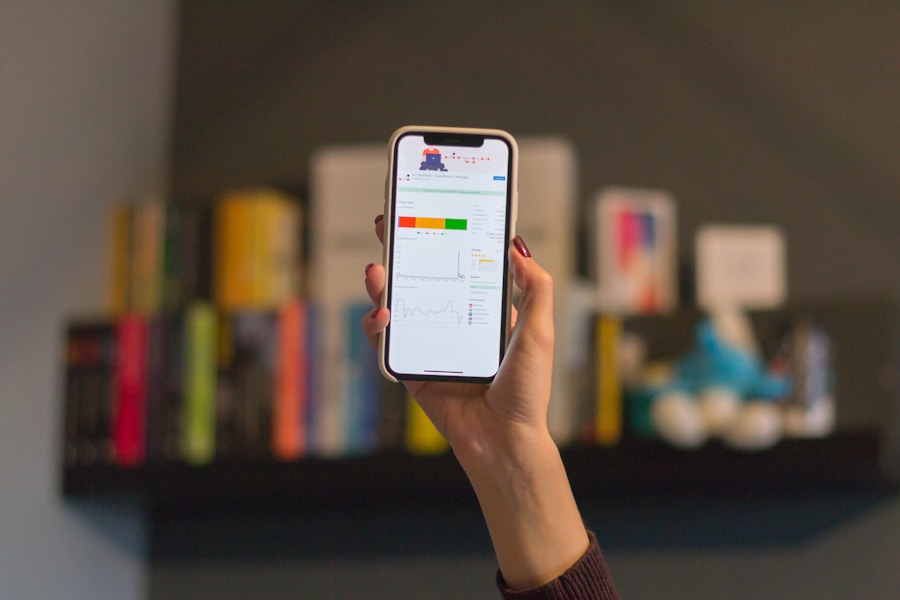
To gauge the success of my in-app feature tours, I rely on various metrics and feedback mechanisms. One of the primary indicators of effectiveness is user engagement rates during and after the tour. By tracking how many users complete the tour and whether they subsequently utilize the highlighted features, I can assess whether the tour successfully met its objectives.
Additionally, I often conduct surveys or gather qualitative feedback from users to gain insights into their experiences and identify areas for improvement. Another critical aspect of measuring effectiveness is analyzing user retention rates post-tour.
Furthermore, I look at conversion rates for specific features promoted during the tour; if there’s a noticeable increase in usage following the tour, it reinforces the value of my onboarding strategy. By continuously monitoring these metrics, I can make informed decisions about refining my in-app feature tours for even greater impact.
Iterating and Improving In-App Feature Tours Over Time
I understand that creating an effective in-app feature tour is not a one-time task but rather an ongoing process of iteration and improvement. As user needs evolve and new features are introduced, it’s essential for me to revisit and update my tours regularly. This iterative approach allows me to stay aligned with user expectations and ensure that my tours remain relevant and valuable.
To facilitate this process, I establish a feedback loop where users can share their thoughts on the tours directly within the application. This real-time feedback provides me with invaluable insights into what works well and what needs adjustment.
By embracing a culture of continuous improvement, I can refine my in-app feature tours over time and consistently deliver an exceptional onboarding experience.
Best Practices for Building In-App Feature Tours that Drive User Engagement
In my quest to create impactful in-app feature tours, I have identified several best practices that consistently drive user engagement. First and foremost, clarity is paramount; each step should have a clear purpose and guide users toward specific actions they can take within the application. Additionally, incorporating storytelling elements can make the tour more relatable and memorable, helping users connect emotionally with the product.
Another best practice is to keep tours short and focused. Users appreciate brevity; therefore, I aim to limit each tour to essential features that provide immediate value without overwhelming them with information. Furthermore, incorporating gamification elements—such as progress indicators or rewards for completing certain actions—can enhance motivation and encourage users to engage more deeply with the application.
Ultimately, by adhering to these best practices and continuously refining my approach based on user feedback and data analysis, I can create in-app feature tours that not only educate but also inspire users to explore all that my SaaS product has to offer. Through thoughtful design and strategic implementation, I am committed to enhancing user experiences and driving long-term engagement with my software solution.
If you're interested in learning more about the financial challenges that startups face, check out this article on why most startups fail: unpacking the top 5 financial blunders. Understanding these common pitfalls can help SaaS companies avoid making costly mistakes and improve their chances of success.