Loading...
ArchiveCybersecurity
Why SaaS Companies Must Implement Multi-Layer DDoS Protection to Prevent Downtime
This is an archived article from the previous version of this site. It is preserved here for reference.
As I delve into the world of cybersecurity, one of the most alarming threats that consistently emerges is the Distributed Denial of Service (DDoS) attack. These attacks are designed to overwhelm a target's resources, rendering them inaccessible to legitimate users. The sheer scale and sophistication of DDoS attacks have evolved dramatically over the years, making them a formidable challenge for organizations of all sizes.
I find it essential to grasp the mechanics behind these attacks to appreciate their potential impact fully. Essentially, a DDoS attack involves multiple compromised systems, often referred to as a botnet, which flood a target with an overwhelming amount of traffic. This deluge can cripple websites, disrupt services, and cause significant financial losses.
The motivations behind DDoS attacks can vary widely, from political activism to financial gain or even simple malice. As I explore this landscape, I realize that understanding the threat is not just about recognizing the technical aspects but also about acknowledging the psychological and strategic implications. Attackers may aim to damage a company's reputation, disrupt operations, or extort money by threatening further attacks.
The ramifications can be severe, leading to loss of customer trust and long-term damage to brand integrity. In my view, the first step in combating DDoS attacks is to cultivate a comprehensive understanding of their nature and potential consequences.
Key Takeaways
- DDoS attacks can disrupt online services by overwhelming them with traffic, causing downtime and financial losses for SaaS companies.
- Multi-layer DDoS protection is crucial for SaaS companies to defend against various types of DDoS attacks and minimize the impact on their services.
- Cloud-based DDoS protection solutions offer scalability and flexibility to adapt to evolving DDoS attack techniques and provide real-time protection.
- Best practices for DDoS mitigation include proactive monitoring, traffic analysis, and response strategies to quickly mitigate the impact of DDoS attacks.
- Network security plays a critical role in DDoS protection by implementing firewalls, intrusion prevention systems, and secure network configurations to prevent and mitigate DDoS attacks.
The Impact of DDoS Attacks on SaaS Companies
When I consider the specific impact of DDoS attacks on Software as a Service (SaaS) companies, the stakes become even higher. These organizations rely heavily on their online presence and service availability to maintain customer satisfaction and operational efficiency. A successful DDoS attack can lead to significant downtime, which translates directly into lost revenue and customer dissatisfaction.
I have seen firsthand how even a brief outage can lead to a cascade of negative effects, including customer churn and damage to long-term relationships. Moreover, the financial implications of DDoS attacks extend beyond immediate losses. For SaaS companies, the cost of recovery can be substantial, involving not only technical remediation but also potential legal liabilities and increased insurance premiums.
As I analyze case studies of companies that have suffered from such attacks, it becomes clear that the long-term effects can linger long after the attack has ceased. Rebuilding trust with customers and stakeholders is a daunting task that requires time and resources that could have been better spent on innovation and growth.
The Importance of Multi-Layer DDoS Protection

In my exploration of effective strategies for mitigating DDoS attacks, I have come to appreciate the critical importance of multi-layer DDoS protection. This approach involves implementing various security measures at different levels of an organization’s infrastructure to create a robust defense against potential threats. Relying on a single layer of protection is akin to building a house with only one door; it may keep some intruders out, but it leaves numerous vulnerabilities exposed.
By employing multiple layers of security, I can significantly enhance an organization’s resilience against DDoS attacks. Multi-layer protection typically includes a combination of on-premises hardware solutions, cloud-based services, and network-level defenses. Each layer serves a unique purpose, from filtering out malicious traffic at the network edge to absorbing large-scale attacks in the cloud.
As I consider my own organization’s security posture, I recognize that this comprehensive approach not only improves detection and response times but also minimizes the risk of downtime during an attack. By investing in multi-layer DDoS protection, I am not just safeguarding my organization’s assets; I am also ensuring that we can continue to serve our customers without interruption.
Implementing Cloud-Based DDoS Protection Solutions
As I navigate the complexities of DDoS protection, I find myself increasingly drawn to cloud-based solutions as a viable option for safeguarding against these threats. Cloud-based DDoS protection services offer scalability and flexibility that traditional on-premises solutions often lack.
This capability is particularly crucial for SaaS companies like mine, where service availability is paramount. Implementing cloud-based DDoS protection solutions also allows me to leverage advanced technologies such as machine learning and artificial intelligence. These technologies can analyze traffic patterns in real-time, enabling quicker identification of anomalies that may indicate an ongoing attack.
As I consider the benefits of cloud-based solutions, I am reminded that they not only enhance security but also reduce the burden on my internal IT team. By outsourcing some aspects of DDoS protection to specialized providers, I can free up valuable resources to focus on core business initiatives while ensuring that my organization remains protected against evolving threats.
Best Practices for DDoS Mitigation
In my quest for effective DDoS mitigation strategies, I have identified several best practices that can significantly enhance an organization’s defenses. First and foremost, regular risk assessments are essential for understanding potential vulnerabilities within my infrastructure. By conducting thorough evaluations of my systems and processes, I can identify weak points that may be exploited during an attack.
This proactive approach allows me to address issues before they become critical vulnerabilities. Another best practice involves developing an incident response plan specifically tailored for DDoS attacks. This plan should outline clear roles and responsibilities for team members during an attack, ensuring that everyone knows how to respond quickly and effectively.
Additionally, I find it beneficial to establish communication protocols with stakeholders and customers to keep them informed during an incident. Transparency is key in maintaining trust, even in challenging situations. By implementing these best practices, I am not only enhancing my organization’s resilience but also fostering a culture of preparedness that can mitigate the impact of future attacks.
The Role of Network Security in DDoS Protection
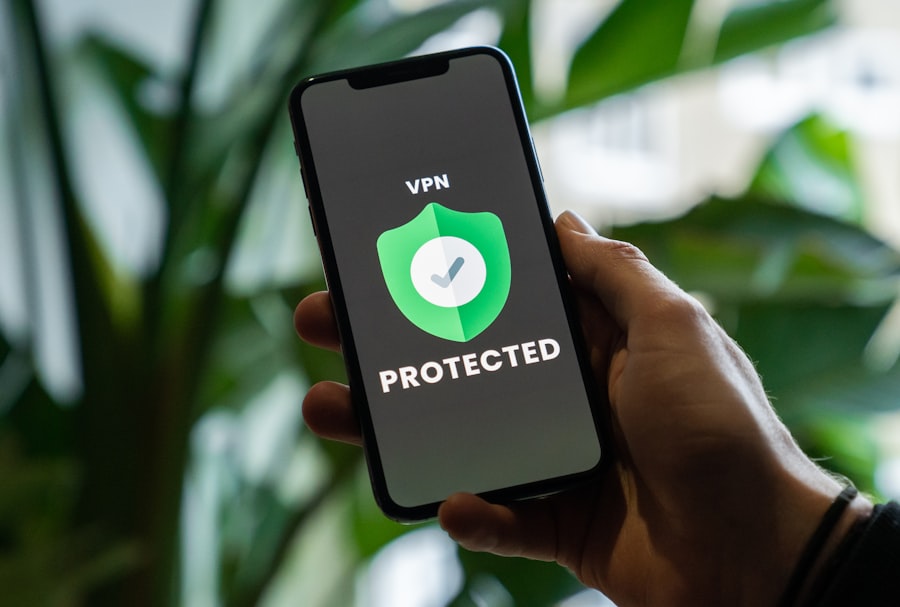
As I delve deeper into the realm of DDoS protection, I cannot overlook the critical role that network security plays in safeguarding against these threats. A robust network security framework serves as the foundation upon which all other protective measures are built. Firewalls, intrusion detection systems (IDS), and intrusion prevention systems (IPS) are essential components that work together to monitor and control incoming traffic.
By fortifying my network security posture, I can create multiple barriers that attackers must breach before they can launch a successful DDoS attack. Moreover, regular updates and patches are vital for maintaining network security integrity. Cyber threats are constantly evolving, and outdated systems can become easy targets for attackers seeking vulnerabilities to exploit.
As I prioritize network security within my organization, I recognize that ongoing training for my IT staff is equally important. Keeping them informed about the latest threats and mitigation techniques ensures that we remain vigilant against potential DDoS attacks while fostering a culture of continuous improvement.
Ensuring Business Continuity with Multi-Layer DDoS Protection
In today’s fast-paced digital landscape, ensuring business continuity is paramount for any organization, especially in the face of potential DDoS attacks. As I reflect on this necessity, it becomes clear that multi-layer DDoS protection is not merely a defensive measure; it is a strategic investment in resilience. By implementing a comprehensive approach that combines various protective layers, I can significantly reduce the likelihood of service disruptions during an attack.
Business continuity planning should encompass not only technical defenses but also operational strategies that allow my organization to maintain essential functions during an incident. This includes identifying critical services that must remain operational and developing contingency plans for each scenario. By integrating multi-layer DDoS protection into my business continuity strategy, I am not only safeguarding my organization’s assets but also ensuring that we can continue serving our customers without interruption—even in the face of adversity.
Choosing the Right DDoS Protection Provider
As I embark on the journey to enhance my organization’s defenses against DDoS attacks, selecting the right protection provider becomes a pivotal decision. With numerous options available in the market, it is crucial for me to evaluate potential providers based on their capabilities and track record in mitigating DDoS threats effectively. Factors such as scalability, response times, and customer support should weigh heavily in my decision-making process.
I also find it beneficial to seek out providers that offer comprehensive solutions tailored specifically for my industry’s needs. A one-size-fits-all approach may not adequately address the unique challenges faced by SaaS companies like mine. Additionally, engaging with other organizations or industry peers who have experience with specific providers can provide valuable insights into their effectiveness and reliability.
Ultimately, choosing the right DDoS protection provider is not just about technology; it is about forming a partnership that will help safeguard my organization’s future in an increasingly hostile digital landscape. In conclusion, as I navigate the complexities of cybersecurity and DDoS protection, I am reminded that understanding the threat landscape is just the beginning. The impact of DDoS attacks on SaaS companies is profound, necessitating a multi-layered approach to protection that encompasses cloud-based solutions and best practices for mitigation.
By prioritizing network security and ensuring business continuity through strategic planning, I can position my organization for success in an ever-evolving digital world while choosing the right partners to bolster our defenses against these persistent threats.
In the rapidly evolving digital landscape, SaaS companies face numerous challenges, one of the most critical being the threat of DDoS attacks. Implementing multi-layer DDoS protection is essential to prevent downtime and ensure seamless service delivery. This topic is closely related to the importance of clear communication and vision in product management, as discussed in the article Crystal Clarity: The Crucial Role of Product Vision and Communication in Product Management. Both articles emphasize the need for strategic planning and robust systems to maintain operational efficiency and customer satisfaction in the tech industry.