Loading...
ArchiveTechnology
The Role of Technology in Disaster Management
This is an archived article from the previous version of this site. It is preserved here for reference.
Disaster management encompasses a comprehensive approach to preparing for, responding to, recovering from, and mitigating the impacts of disasters. These disasters can range from natural events such as earthquakes, floods, and hurricanes to human-made crises like industrial accidents or terrorist attacks. The field of disaster management is multidisciplinary, drawing on expertise from various sectors including emergency services, public health, urban planning, and environmental science.
The goal is to minimize loss of life, reduce economic impact, and facilitate a swift recovery for affected communities. The process of disaster management is typically divided into four phases: preparedness, response, recovery, and mitigation. Preparedness involves planning and training to ensure that communities are ready to face potential disasters.
Response refers to the immediate actions taken to save lives and protect property during a disaster. Recovery focuses on restoring the affected area to its pre-disaster state or better, while mitigation aims to reduce the likelihood or impact of future disasters. Each phase is interconnected, requiring a coordinated effort among various stakeholders including government agencies, non-profit organizations, and local communities.
Key Takeaways
- Disaster management is crucial for minimizing the impact of natural and man-made disasters on communities and infrastructure.
- Technology plays a vital role in disaster management, from early warning systems to search and rescue operations.
- Effective communication and information management are essential for coordinating disaster response efforts and providing timely updates to the public.
- Remote sensing and GIS technology help in mapping and analyzing disaster-affected areas, aiding in decision-making and resource allocation.
- Early warning systems and alerting technologies are critical for providing timely warnings to at-risk populations, allowing for evacuation and preparation.
The Importance of Technology in Disaster Management
Transforming Disaster Management with Technology
Technology has become a crucial component in enhancing the effectiveness of disaster management efforts. The integration of advanced technologies has revolutionized the way agencies prepare for and respond to disasters. For instance, the use of drones for aerial surveillance allows for real-time assessment of disaster-affected areas, providing critical information that can guide response strategies.Effective Communication through Mobile Applications
Mobile applications have emerged as vital tools for disseminating information to the public during emergencies. These applications ensure that individuals receive timely updates about evacuation routes, shelter locations, and safety protocols. This enables people to make informed decisions and take necessary actions to ensure their safety.Predictive Capabilities through Data Analytics and AI
Data analytics and artificial intelligence (AI) are increasingly being utilized to predict disaster occurrences and assess risks. By analyzing historical data and current environmental conditions, AI algorithms can identify patterns that may indicate an impending disaster. This predictive capability enables authorities to implement proactive measures, such as evacuations or resource allocation, thereby potentially saving lives and reducing damage. The continuous evolution of technology in this field underscores its importance in creating resilient communities capable of withstanding and recovering from disasters.Communication and Information Management
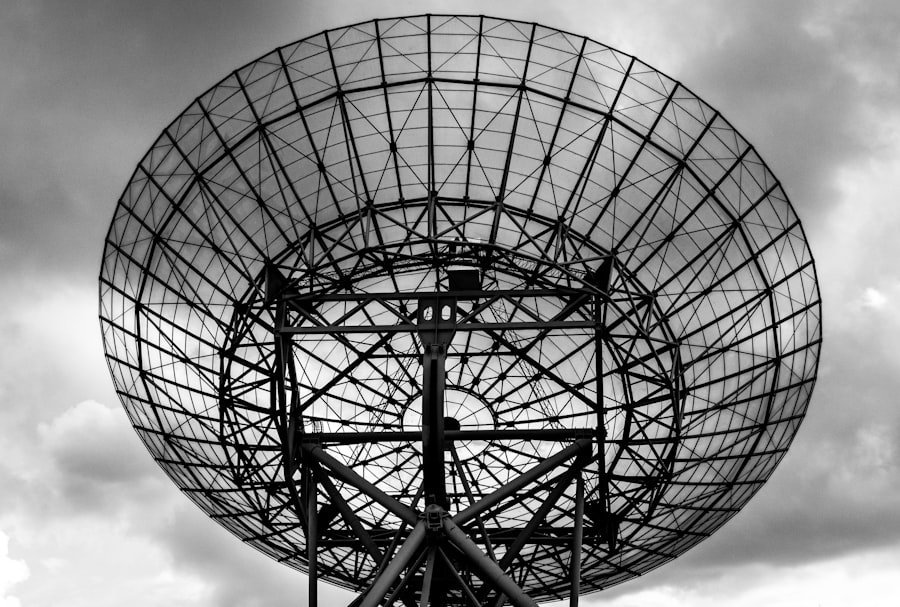
Effective communication is a cornerstone of successful disaster management. During a crisis, the flow of information must be rapid and accurate to ensure that all stakeholders are informed and can act accordingly. This includes not only government agencies but also first responders, non-governmental organizations (NGOs), and the general public.
The advent of social media has revolutionized communication strategies in disaster scenarios, allowing for real-time updates and crowd-sourced information sharing. Platforms like Twitter and Facebook can serve as vital channels for disseminating alerts and safety instructions. Information management systems are also crucial in coordinating responses during disasters.
Geographic Information Systems (GIS) play a significant role in mapping affected areas and analyzing data related to population density, infrastructure, and resource availability. By visualizing this information, decision-makers can better understand the scope of the disaster and prioritize their response efforts. Furthermore, integrating communication technologies with GIS allows for more efficient resource allocation and logistical planning, ensuring that aid reaches those who need it most in a timely manner.
Remote Sensing and Geographic Information Systems (GIS)
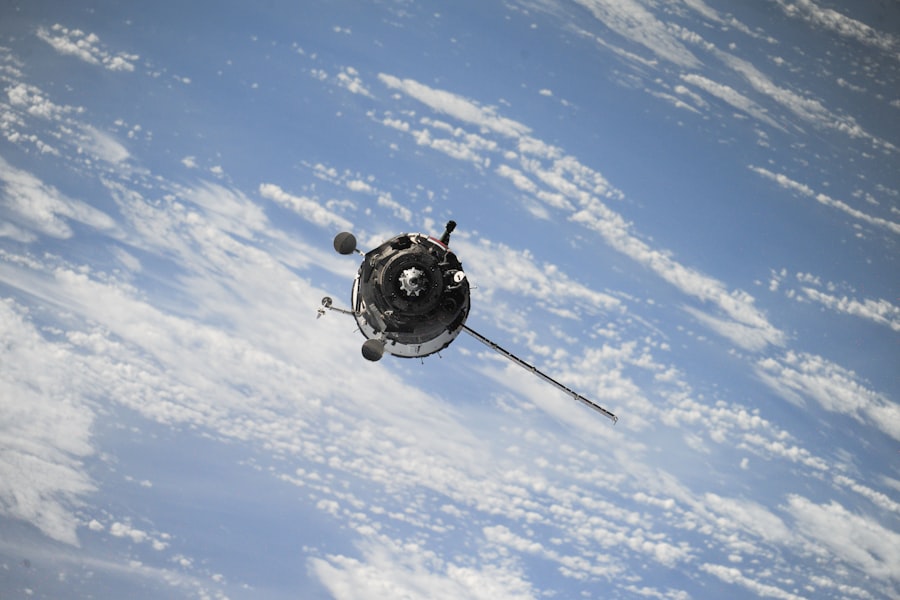
Remote sensing technology has become an indispensable tool in disaster management by providing critical data about environmental conditions before, during, and after disasters. Satellites equipped with advanced sensors can capture images that reveal changes in land use, vegetation cover, and water bodies. This information is vital for assessing the impact of natural disasters such as floods or wildfires.
For example, after Hurricane Katrina struck New Orleans in 2005, remote sensing data was used to analyze flood extents and identify areas that required immediate assistance. Geographic Information Systems (GIS) complement remote sensing by enabling the analysis and visualization of spatial data. GIS allows disaster management professionals to create detailed maps that illustrate risk zones, infrastructure vulnerabilities, and population distributions.
These maps are essential for emergency planning and response efforts. For instance, during an earthquake response operation, GIS can help identify which neighborhoods are most at risk based on building codes and historical seismic activity. By integrating remote sensing data with GIS analysis, authorities can develop more effective strategies for disaster preparedness and recovery.
Early Warning Systems and Alerting Technologies
Early warning systems (EWS) are critical components of disaster management that aim to provide timely alerts about impending hazards. These systems utilize a combination of meteorological data, seismic monitoring, and community feedback to predict disasters such as tsunamis, hurricanes, or severe storms. For example, the Pacific Tsunami Warning Center employs a network of buoys and seismic sensors to detect underwater earthquakes that could trigger tsunamis.
When a significant event is detected, alerts are issued to coastal communities at risk. Alerting technologies have evolved significantly with advancements in mobile communication. Text message alerts, automated phone calls, and mobile applications are now commonly used to disseminate warnings quickly to large populations.
In Japan, the use of a nationwide emergency alert system allows citizens to receive real-time notifications about earthquakes or tsunamis directly on their mobile devices. This rapid dissemination of information can be life-saving, as it enables individuals to take immediate protective actions such as evacuating or seeking shelter.
Search and Rescue Operations
Search and rescue (SAR) operations are often among the most critical aspects of disaster response efforts. These operations require swift coordination among various agencies and organizations to locate and assist individuals trapped or injured in disaster-affected areas. Technology has significantly enhanced SAR capabilities through the use of drones equipped with thermal imaging cameras that can detect body heat even in challenging environments such as collapsed buildings or dense forests.
Additionally, GPS technology plays a vital role in SAR operations by enabling teams to navigate effectively in unfamiliar terrain. Mobile applications designed for SAR teams allow for real-time tracking of personnel and resources, ensuring that all units are accounted for during operations. In recent years, international collaborations have also emerged in SAR efforts; for instance, during the 2010 Haiti earthquake response, teams from multiple countries worked together using shared technology platforms to coordinate their search efforts efficiently.
Recovery and Reconstruction Efforts
The recovery phase following a disaster is crucial for restoring normalcy in affected communities. This phase involves not only rebuilding infrastructure but also addressing the psychological needs of survivors who may have experienced trauma or loss. Technology plays a significant role in facilitating recovery efforts through data collection and analysis that inform rebuilding strategies.
For example, post-disaster assessments often utilize GIS tools to evaluate damage levels across different regions, helping planners prioritize reconstruction projects based on urgency. Moreover, technology can enhance community engagement during recovery efforts. Online platforms allow residents to report damage or request assistance while also providing updates on recovery progress.
Crowdfunding websites have emerged as valuable resources for raising funds for rebuilding initiatives led by local organizations or community groups. By leveraging technology in recovery efforts, communities can foster resilience and ensure that rebuilding processes are inclusive and responsive to the needs of all residents.
Challenges and Future Developments in Technology for Disaster Management
Despite the advancements in technology for disaster management, several challenges remain that hinder its full potential. One significant issue is the digital divide; not all communities have equal access to technology or the internet. Rural areas or low-income neighborhoods may lack the infrastructure necessary to receive timely alerts or access online resources during emergencies.
Addressing this disparity is essential for ensuring that all populations can benefit from technological advancements in disaster management. Furthermore, the integration of new technologies into existing systems poses logistical challenges. Training personnel to effectively use advanced tools such as drones or GIS software requires time and resources that may not always be available during a crisis.
Additionally, concerns about data privacy and security must be addressed as more information is collected and shared through digital platforms. Looking ahead, future developments in technology for disaster management may focus on enhancing predictive analytics through machine learning algorithms that can analyze vast amounts of data more efficiently than ever before. Innovations in communication technologies will likely continue to improve the speed and accuracy of alerts sent to communities at risk.
As climate change increases the frequency and intensity of natural disasters worldwide, investing in research and development will be crucial for creating resilient systems capable of adapting to evolving challenges in disaster management.