Loading...
ArchiveSociety
The Role of Education in Social Mobility
This is an archived article from the previous version of this site. It is preserved here for reference.
Social mobility is the movement of individuals, families, or groups between different social strata in a society. It measures the ability to ascend or descend the social hierarchy based on factors such as education, occupation, income, and wealth. This concept serves as a crucial indicator of societal equality and opportunity, often used to evaluate the effectiveness of social and economic policies.
In many societies, social mobility is closely associated with meritocracy, where success is achieved through individual ability and effort rather than social background or connections. There are two main types of social mobility: intergenerational and intragenerational. Intergenerational mobility refers to the change in social status between generations within a family, while intragenerational mobility describes an individual's social movement within their own lifetime.
Various factors influence social mobility, including education, access to resources, economic opportunities, and social networks. This article will primarily examine the role of education in fostering social mobility and its effects on individuals and societies.

Access to education is a critical factor in determining an individual's ability to achieve social mobility. In many societies, individuals from disadvantaged backgrounds face barriers to accessing quality education, including financial constraints, lack of resources, and discrimination. These barriers can limit their opportunities for personal and professional growth and perpetuate cycles of poverty and inequality.
Efforts to promote social mobility through education must focus on addressing these barriers and ensuring that all individuals have equal access to educational opportunities. This includes providing financial aid and scholarships for students from low-income families, improving the quality of schools in underserved communities, and implementing policies that promote diversity and inclusion in educational institutions.
Quality education has a profound impact on an individual's ability to achieve social mobility. By providing individuals with the knowledge, skills, and opportunities they need to succeed, quality education can help break down barriers to social mobility and create pathways for individuals to move up the social ladder. Moreover, quality education can empower individuals to challenge social norms and expectations, break free from cycles of poverty and inequality, and pursue their aspirations and dreams.
By providing equal access to education for all members of society, regardless of their background or socioeconomic status, societies can create a level playing field where individuals have an equal chance to succeed based on their abilities and efforts rather than their social privilege.
Education is closely linked to economic mobility, which refers to an individual's ability to improve their economic status over time. Individuals with higher levels of education tend to have better job prospects, higher earning potential, and greater opportunities for career advancement. As a result, education can be a powerful tool for breaking the cycle of poverty and creating pathways for individuals to achieve economic success.
Furthermore, education can also contribute to economic mobility at the societal level by driving innovation, productivity, and economic growth. By investing in education and providing individuals with the skills they need to succeed in the workforce, societies can create a more competitive and dynamic economy that benefits everyone.
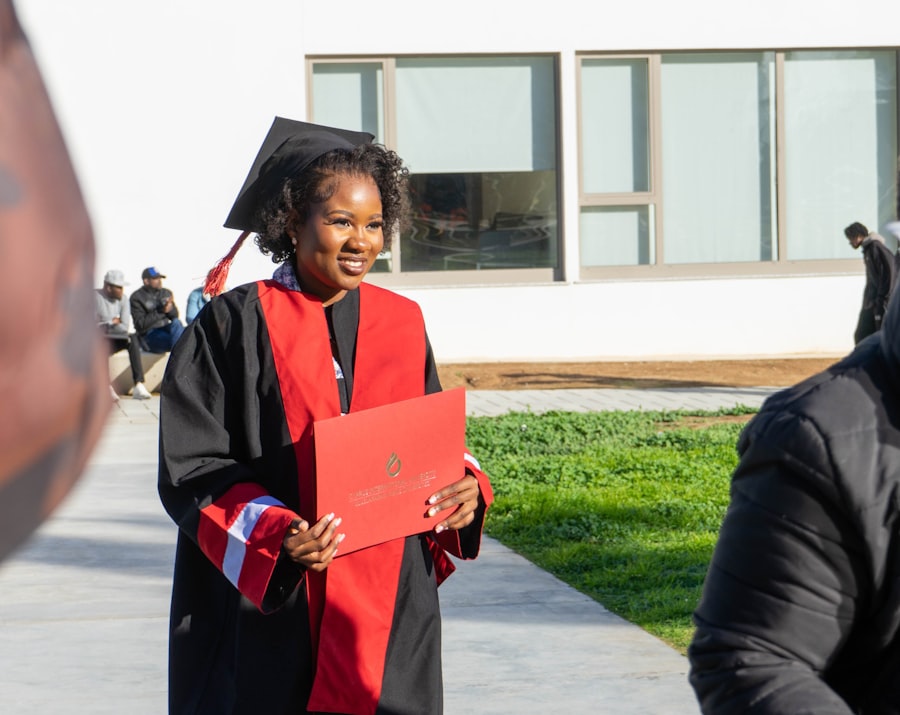
Despite the importance of education in promoting social mobility, there are significant challenges that must be addressed in order to ensure that all individuals have equal access to educational opportunities. These challenges include financial constraints, lack of resources, discrimination, and cultural attitudes towards education. To address these challenges, it is essential to implement policies that promote equal access to education for all members of society.
This includes providing financial aid and scholarships for students from low-income families, improving the quality of schools in underserved communities, and promoting diversity and inclusion in educational institutions. Furthermore, it is important to invest in early childhood education and support programs that provide individuals with the skills they need to succeed in school and beyond. By addressing these challenges and promoting equal access to quality education for all members of society, we can create a more equitable and inclusive society where individuals have an equal chance to achieve social mobility based on their abilities and efforts rather than their social privilege.
In many societies, social mobility is closely associated with meritocracy, where success is achieved through individual ability and effort rather than social background or connections. There are two main types of social mobility: intergenerational and intragenerational. Intergenerational mobility refers to the change in social status between generations within a family, while intragenerational mobility describes an individual's social movement within their own lifetime.
Various factors influence social mobility, including education, access to resources, economic opportunities, and social networks. This article will primarily examine the role of education in fostering social mobility and its effects on individuals and societies.
Key Takeaways
- Social mobility refers to the ability of individuals or families to move up or down the social ladder based on factors such as education, income, and occupation.
- Education plays a crucial role in social mobility as it provides individuals with the knowledge, skills, and opportunities to improve their socioeconomic status.
- Access to quality education is essential for promoting social mobility, but disparities in access based on factors such as income, race, and location can hinder upward mobility.
- Quality education has a significant impact on social mobility, as it equips individuals with the tools to pursue higher-paying jobs and achieve upward mobility.
- Education is closely linked to economic mobility, as individuals with higher levels of education are more likely to have better job prospects and higher earning potential.
The Importance of Education in Social Mobility
The Power of Knowledge and Skills
Education plays a crucial role in promoting social mobility by providing individuals with the knowledge, skills, and opportunities they need to succeed in their personal and professional lives. A quality education can open doors to higher-paying jobs, better career prospects, and increased social and economic status.Essential Skills for Success
It can also help individuals develop critical thinking, problem-solving, and communication skills that are essential for success in today's knowledge-based economy.Empowering Individuals and Societies
Furthermore, education can empower individuals to challenge social norms and expectations, break free from cycles of poverty and inequality, and pursue their aspirations and dreams. By providing equal access to education for all members of society, regardless of their background or socioeconomic status, societies can create a level playing field where individuals have an equal chance to succeed based on their abilities and efforts rather than their social privilege.Access to Education and Social Mobility
Access to education is a critical factor in determining an individual's ability to achieve social mobility. In many societies, individuals from disadvantaged backgrounds face barriers to accessing quality education, including financial constraints, lack of resources, and discrimination. These barriers can limit their opportunities for personal and professional growth and perpetuate cycles of poverty and inequality.
Efforts to promote social mobility through education must focus on addressing these barriers and ensuring that all individuals have equal access to educational opportunities. This includes providing financial aid and scholarships for students from low-income families, improving the quality of schools in underserved communities, and implementing policies that promote diversity and inclusion in educational institutions.
The Impact of Quality Education on Social Mobility
Quality education has a profound impact on an individual's ability to achieve social mobility. By providing individuals with the knowledge, skills, and opportunities they need to succeed, quality education can help break down barriers to social mobility and create pathways for individuals to move up the social ladder. Moreover, quality education can empower individuals to challenge social norms and expectations, break free from cycles of poverty and inequality, and pursue their aspirations and dreams.
By providing equal access to education for all members of society, regardless of their background or socioeconomic status, societies can create a level playing field where individuals have an equal chance to succeed based on their abilities and efforts rather than their social privilege.
Education and Economic Mobility
Education is closely linked to economic mobility, which refers to an individual's ability to improve their economic status over time. Individuals with higher levels of education tend to have better job prospects, higher earning potential, and greater opportunities for career advancement. As a result, education can be a powerful tool for breaking the cycle of poverty and creating pathways for individuals to achieve economic success.
Furthermore, education can also contribute to economic mobility at the societal level by driving innovation, productivity, and economic growth. By investing in education and providing individuals with the skills they need to succeed in the workforce, societies can create a more competitive and dynamic economy that benefits everyone.
Education and Social Mobility in Different Societies
Unequal Access to Education
In these societies, access to quality education is often restricted, leading to a lack of social mobility and opportunities for individuals from lower socioeconomic backgrounds. This can result in a perpetuation of social hierarchies, where those who are already privileged maintain their position, while those who are disadvantaged remain stuck.Cultural Attitudes Towards Education
Cultural attitudes towards education also play a significant role in shaping social mobility. In some societies, education is highly valued as a means of achieving success and upward mobility. This can lead to a greater emphasis on education, resulting in higher levels of social mobility and opportunities for individuals from all backgrounds.Education as a Pathway to Success
In contrast, in societies where education is not highly valued, social mobility is often limited. This can result in a lack of opportunities for individuals to improve their socioeconomic status, perpetuating social hierarchies and limiting social mobility.Challenges and Solutions for Education in Promoting Social Mobility
Despite the importance of education in promoting social mobility, there are significant challenges that must be addressed in order to ensure that all individuals have equal access to educational opportunities. These challenges include financial constraints, lack of resources, discrimination, and cultural attitudes towards education. To address these challenges, it is essential to implement policies that promote equal access to education for all members of society.
This includes providing financial aid and scholarships for students from low-income families, improving the quality of schools in underserved communities, and promoting diversity and inclusion in educational institutions. Furthermore, it is important to invest in early childhood education and support programs that provide individuals with the skills they need to succeed in school and beyond. By addressing these challenges and promoting equal access to quality education for all members of society, we can create a more equitable and inclusive society where individuals have an equal chance to achieve social mobility based on their abilities and efforts rather than their social privilege.