Loading...
ArchiveSociety
The Role of Art in Social Change
This is an archived article from the previous version of this site. It is preserved here for reference.
Art has long served as a powerful instrument for advocacy and awareness, transcending language barriers and cultural divides. Through various forms—be it painting, sculpture, performance, or digital media—artists have the unique ability to convey complex social issues in a manner that resonates with a broad audience. For instance, the AIDS Memorial Quilt, which began in 1987, is a poignant example of how art can raise awareness about a public health crisis.
Each panel of the quilt tells the story of an individual lost to AIDS, transforming personal grief into a collective narrative that educates viewers about the epidemic's impact. This project not only memorializes lives but also serves as a call to action, urging society to confront the stigma surrounding HIV/AIDS. Moreover, contemporary artists continue to harness their creative talents to spotlight pressing issues such as climate change, racial injustice, and gender equality.
The work of artists like Ai Weiwei exemplifies this trend; his installations often address human rights violations and governmental oppression. In his piece "Sunflower Seeds," Ai Weiwei used millions of handcrafted porcelain seeds to comment on mass production and the loss of individuality in modern society. By engaging viewers in a tactile experience, he invites them to reflect on broader themes of consumerism and the human condition.
Through such artistic endeavors, awareness is not merely raised; it is transformed into a compelling narrative that encourages public discourse and action.
Key Takeaways
- Art can be used as a powerful tool for advocacy and raising awareness on important social issues.
- Through challenging the status quo, art has the ability to provoke thought and inspire change in society.
- Marginalized voices can find expression and representation through various art forms, providing a platform for their stories to be heard.
- Art serves as a catalyst for dialogue and understanding, fostering empathy and connection among diverse communities.
- Art has the potential to heal and empower individuals, offering a means of self-expression and resilience in the face of adversity.
Art as a Means of Challenging the Status Quo
The Dada Movement: A Rebellion Against Tradition
The Dada movement of the early 20th century is a prime example of art's ability to challenge the status quo. Emerging in response to the horrors of World War I, Dada artists rejected traditional aesthetics and embraced absurdity as a form of protest against the prevailing values that led to conflict. Their works often defied logic and convention, compelling audiences to reconsider their understanding of art and its role in society.Street Art as a Form of Resistance
In more recent times, street art has emerged as a potent form of resistance against the status quo. Artists like Banksy have gained international acclaim for their provocative murals that address issues ranging from consumerism to war. One notable piece, "Girl with a Balloon," captures the fleeting nature of hope and innocence, while simultaneously critiquing societal apathy.Democratizing Access to Social Commentary
By placing his art in public spaces, Banksy democratizes access to his messages, inviting viewers from all walks of life to engage with his commentary on contemporary issues. This accessibility is crucial; it allows art to function not just as a reflection of society but as an active participant in shaping public consciousness.Art as a Medium for Expressing Marginalized Voices
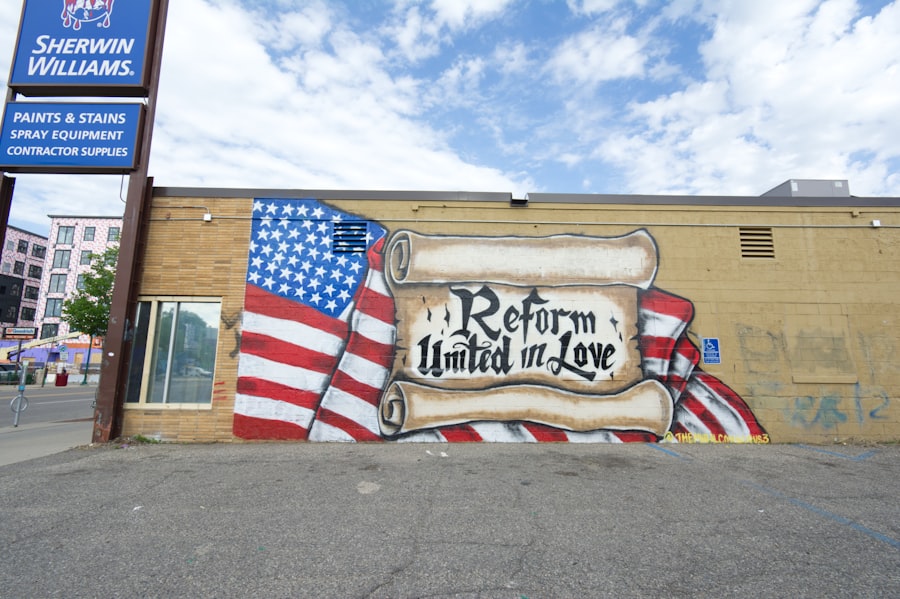
Art serves as a vital platform for marginalized voices, providing an avenue for individuals and communities often overlooked by mainstream narratives. Historically, many artists from underrepresented backgrounds have used their work to articulate their experiences and challenge dominant cultural narratives. The Harlem Renaissance is a significant example of this phenomenon, where African American artists, writers, and musicians sought to redefine their identity through creative expression.
Figures like Langston Hughes and Zora Neale Hurston used literature to explore themes of race, identity, and resilience, paving the way for future generations to share their stories. In contemporary contexts, artists continue to amplify marginalized voices through various mediums. The work of Frida Kahlo exemplifies this commitment; her deeply personal paintings explore themes of identity, gender, and pain while reflecting her Mexican heritage.
Kahlo's art resonates with many who identify with her struggles, creating a sense of solidarity among those who feel alienated by societal expectations. Similarly, Indigenous artists today are reclaiming their narratives through visual art, music, and performance. By centering their experiences in their work, they challenge historical erasure and assert their place within the broader cultural landscape.
Art as a Catalyst for Dialogue and Understanding
Art has the remarkable ability to foster dialogue and promote understanding among diverse groups. By presenting complex issues in an accessible format, artists can bridge gaps between different perspectives and encourage conversations that might otherwise remain unspoken. For instance, the "Inside Out Project," initiated by French artist JR, invites individuals from various backgrounds to share their stories through large-scale portraits displayed in public spaces.
This initiative not only humanizes participants but also sparks discussions about identity, community, and social justice. The role of art in facilitating dialogue is particularly evident in community-based projects that bring together individuals from different walks of life. Programs like "The Moth," which features storytelling events where people share personal narratives, exemplify how art can create safe spaces for dialogue.
By encouraging participants to listen actively and empathize with one another's experiences, these initiatives foster understanding and connection across cultural divides. In this way, art becomes a vehicle for building bridges rather than walls, promoting a more inclusive society.
Art as a Vehicle for Healing and Empowerment
Art has long been recognized for its therapeutic qualities, offering individuals a means of processing trauma and finding empowerment through creative expression. Art therapy has emerged as a recognized field that utilizes artistic practices to support mental health and emotional well-being. For example, survivors of domestic violence often find solace in creating art that reflects their experiences, allowing them to reclaim their narratives and express feelings that may be difficult to articulate verbally.
This process can be profoundly healing, enabling individuals to confront their pain while fostering resilience. Moreover, community art projects can serve as powerful tools for collective healing and empowerment. Initiatives like "The Butterfly Project," which invites participants to create butterfly sculptures in memory of children lost to violence or war, provide a space for communal mourning and reflection.
By engaging in this creative process together, participants not only honor those lost but also cultivate a sense of solidarity and hope for the future. Such projects illustrate how art can transcend individual experiences, fostering collective healing within communities grappling with trauma.
Art as a Form of Resistance and Protest
Historical Context of Artistic Resistance
The Mexican muralists of the early 20th century—such as Diego Rivera and David Alfaro Siqueiros—used large-scale murals to convey political messages that challenged social hierarchies and celebrated the struggles of the working class. Their murals transformed public spaces into sites of political discourse, making art an integral part of social movements.Art in Contemporary Social Movements
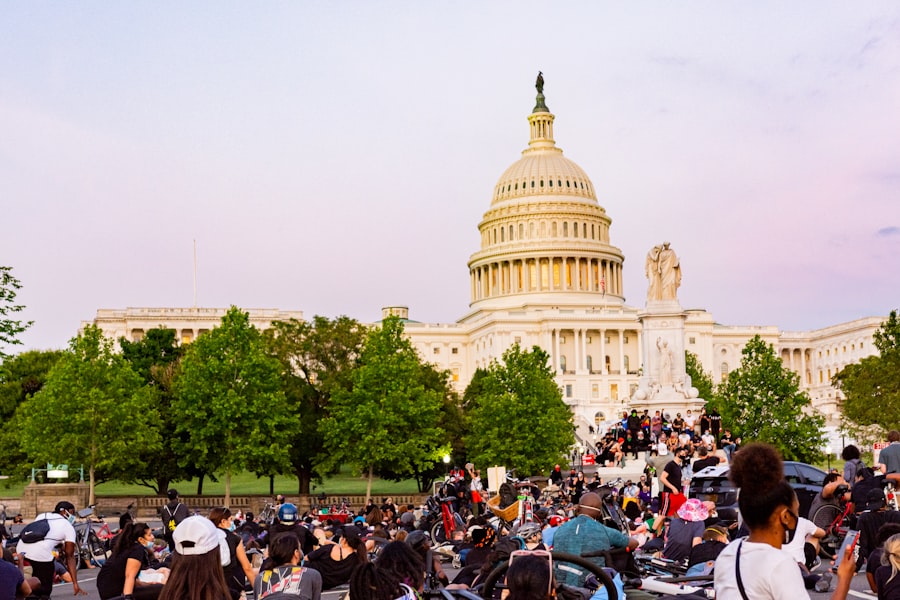
In contemporary society, protests often feature art as a means of resistance. The Women's March in 2017 saw an outpouring of creative expression through signs, banners, and performances that articulated demands for gender equality and social justice. Artists like Amanda Phingbodhipakkiya created striking visual campaigns that highlighted issues such as reproductive rights and intersectionality within feminism.The Impact of Artistic Expression
These artistic expressions not only galvanized participants but also captured media attention, amplifying the messages of the movement beyond the immediate context of the protests.Conclusion on Art and Resistance
The use of art as a form of resistance has been a powerful tool throughout history, and its impact can still be seen in contemporary social movements, inspiring change and promoting social justice.Art as a Platform for Community Engagement and Collaboration
Art has the potential to unite communities through collaborative projects that engage individuals in shared creative endeavors. Community art initiatives often bring together diverse groups—regardless of age, background, or skill level—to work towards common goals while fostering connections among participants. Projects like "The 596 Acres" initiative in Brooklyn exemplify this approach by transforming vacant lots into community gardens through collaborative artistic efforts.
These projects not only beautify neighborhoods but also empower residents by giving them agency over their environment. Furthermore, collaborative art projects can serve as catalysts for social change by addressing local issues through creative expression. The "Community Mural Project" in Los Angeles invites residents to participate in creating murals that reflect their community's identity and aspirations.
By involving local voices in the artistic process, these projects foster ownership and pride while addressing social issues such as gentrification or environmental concerns. This participatory approach not only enhances community cohesion but also empowers individuals by validating their experiences and perspectives.
Art as a Source of Inspiration and Hope
Art has an unparalleled ability to inspire hope and ignite change within individuals and communities alike. Throughout history, artists have created works that resonate with audiences on an emotional level, offering solace during challenging times or motivating action toward positive change. The iconic image of Rosie the Riveter during World War II symbolizes empowerment and resilience; it inspired countless women to join the workforce while challenging traditional gender roles.
In contemporary contexts, artists continue to harness their creativity to inspire hope amidst adversity. The "Love is Love" mural movement emerged in response to anti-LGBTQ+ sentiments, celebrating love and acceptance through vibrant public art installations. These murals serve not only as affirmations of identity but also as reminders that love transcends societal barriers.
By creating spaces where individuals can see themselves represented positively, artists foster hope for future generations while challenging discrimination. Through these various lenses—advocacy, challenging norms, amplifying marginalized voices, fostering dialogue, healing communities, resisting oppression, engaging collaboration, and inspiring hope—art emerges as an essential force in shaping society. Its multifaceted nature allows it to address complex issues while resonating deeply with human experiences across cultures and contexts.
As we continue to navigate an increasingly complex world, the role of art remains vital in fostering understanding, connection, and transformation within our communities.