Loading...
ArchiveBusiness
The Impact of Remote Work on
This is an archived article from the previous version of this site. It is preserved here for reference.
The phenomenon of remote work has surged dramatically in recent years, catalyzed by technological advancements and a global shift in workplace dynamics. Initially, the concept of working from home was often relegated to a select few industries or roles, primarily those in tech or freelance positions. However, the COVID-19 pandemic acted as a powerful accelerant, forcing organizations across various sectors to adapt to a remote work model almost overnight.
This unprecedented shift not only demonstrated the feasibility of remote work but also highlighted its potential benefits, such as increased flexibility and reduced overhead costs. As companies scrambled to maintain operations amidst lockdowns and social distancing measures, many discovered that their employees could remain productive and engaged outside the traditional office environment. As the world gradually emerged from the pandemic, the remote work trend did not simply fade away; instead, it evolved into a more permanent fixture in the employment landscape.
Organizations began to recognize that remote work could serve as a strategic advantage in attracting and retaining talent. The allure of flexible schedules and the ability to work from virtually anywhere became significant selling points for job seekers. Consequently, many companies adopted hybrid models that combined remote and in-office work, allowing employees to enjoy the best of both worlds.
This transformation has not only reshaped individual work experiences but has also prompted a reevaluation of corporate policies, technology investments, and even real estate strategies as businesses adapt to this new normal.
Key Takeaways
- Remote work has seen a significant increase in popularity due to advancements in technology and the global pandemic.
- The benefits of remote work include flexibility, cost savings, and increased productivity, but challenges such as communication barriers and work-life balance issues also exist.
- Remote work can have a positive impact on work-life balance by allowing employees to better manage their time and reduce commuting stress.
- Company culture may be affected by remote work, as it can lead to a lack of in-person interactions and a sense of disconnect among employees.
- Remote work can influence productivity and performance positively through reduced distractions and the ability to work in a comfortable environment.
The Benefits and Challenges of Remote Work
Benefits of Remote Work
Remote work offers numerous benefits that can enhance both employee satisfaction and organizational efficiency. One of the most significant advantages is the flexibility it affords workers, allowing them to tailor their schedules to better fit their personal lives. This flexibility can lead to improved job satisfaction, as employees can manage their time more effectively, whether that means attending to family responsibilities or pursuing personal interests.Reducing Overhead Costs and Improving Work-Life Balance
Additionally, remote work eliminates the daily commute, which not only saves time but also reduces stress and contributes to a healthier work-life balance. For employers, this can translate into lower overhead costs associated with maintaining physical office spaces and potentially higher employee retention rates due to increased job satisfaction.Challenges of Remote Work
However, the shift to remote work is not without its challenges. One of the most pressing issues is the potential for isolation among employees who may miss the social interactions that come with working in an office environment. This isolation can lead to feelings of disconnection from colleagues and the company culture, which may ultimately affect morale and collaboration. Furthermore, the blurred lines between work and home life can create difficulties in setting boundaries, leading some employees to experience burnout as they struggle to "switch off" after hours.Navigating the Challenges of Remote Work
Organizations must navigate these challenges carefully, implementing strategies that foster connection and support employee well-being while reaping the benefits of a remote workforce.The Impact on Work-Life Balance
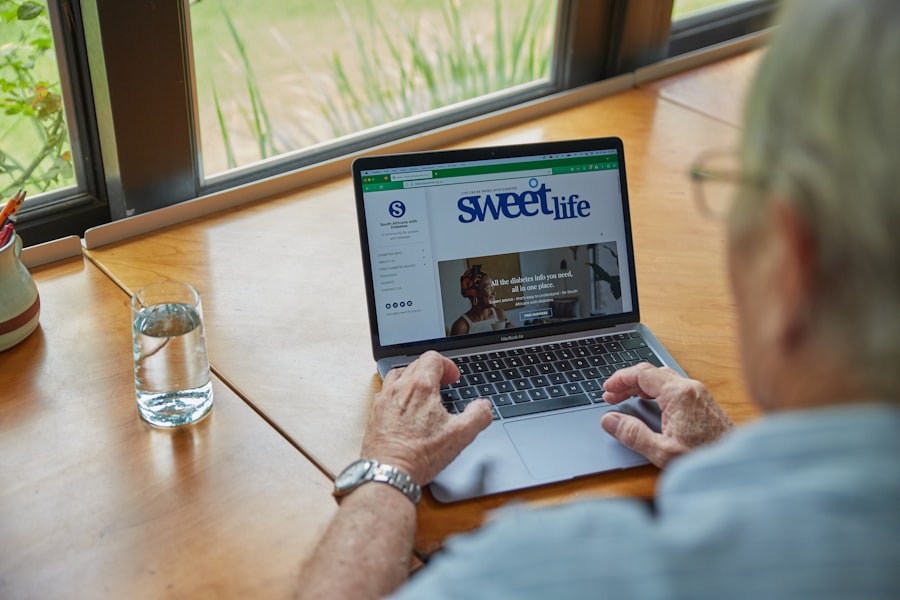
The advent of remote work has fundamentally altered the landscape of work-life balance for many individuals. For some, the ability to work from home has been a game-changer, allowing them to integrate their professional responsibilities with personal commitments more seamlessly. Parents, for instance, have found it easier to manage childcare while fulfilling their job duties, leading to a more harmonious coexistence of work and family life.
Moreover, the flexibility inherent in remote work arrangements enables employees to structure their days in ways that align with their peak productivity times, whether that means working early in the morning or late at night. This newfound autonomy can lead to greater job satisfaction and overall well-being. Conversely, the shift towards remote work has also introduced complexities that can disrupt work-life balance.
The absence of a physical separation between home and office can blur boundaries, making it challenging for employees to disengage from work at the end of the day. Many find themselves working longer hours or feeling compelled to be "always on," which can lead to increased stress and burnout. Additionally, without the natural cues provided by an office environment—such as colleagues leaving for lunch or the end-of-day rush—employees may struggle to recognize when it’s time to take breaks or wrap up their tasks for the day.
As organizations continue to embrace remote work, it is crucial for them to promote healthy work-life balance practices and encourage employees to establish clear boundaries.
The Effect on Company Culture
The transition to remote work has had a profound impact on company culture, challenging traditional notions of collaboration and team dynamics. In an office setting, spontaneous interactions—whether through casual conversations at the water cooler or impromptu brainstorming sessions—often foster a sense of camaraderie among employees. However, in a remote environment, these organic moments are significantly diminished, which can lead to feelings of disconnection among team members.
Companies must now be intentional about cultivating their culture through virtual means, utilizing technology to facilitate communication and collaboration while ensuring that employees feel valued and included. To counteract potential cultural erosion, organizations are increasingly investing in virtual team-building activities and regular check-ins to maintain engagement among remote workers. These initiatives can help bridge the gap created by physical distance and reinforce a sense of belonging within teams.
Additionally, leaders play a critical role in shaping company culture during this transition; by modeling transparency, empathy, and open communication, they can foster an environment where employees feel comfortable sharing their thoughts and concerns. Ultimately, while remote work presents challenges for company culture, it also offers an opportunity for organizations to redefine their values and practices in ways that resonate with a diverse workforce.
The Influence on Productivity and Performance
The relationship between remote work and productivity is complex and multifaceted. For many employees, working from home has led to increased focus and efficiency due to fewer distractions commonly found in an office setting. The ability to create a personalized workspace tailored to individual preferences can enhance concentration and motivation.
Furthermore, without the time-consuming commute, employees often find they have more hours available for productive work or personal development activities. As a result, numerous studies have indicated that remote workers tend to report higher levels of productivity compared to their in-office counterparts. However, this boost in productivity is not universal; some individuals may struggle with self-discipline or find it challenging to stay motivated without the structure provided by an office environment.
The absence of direct supervision can lead some employees to feel adrift or disconnected from their goals. Additionally, factors such as inadequate home office setups or family distractions can hinder performance for certain individuals. To maximize productivity in a remote setting, organizations must provide support through resources such as training on time management techniques or access to ergonomic equipment.
By recognizing the diverse needs of their workforce, companies can create an environment that fosters optimal performance regardless of location.
The Implications for Mental Health and Well-being

The Impact of Remote Work on Mental Health
The shift towards remote work has significant implications for mental health and overall well-being among employees. On one hand, the flexibility associated with remote arrangements can alleviate stressors related to commuting and rigid schedules, allowing individuals more control over their daily routines. This autonomy can lead to improved mental health outcomes as employees are better able to manage their time and prioritize self-care activities such as exercise or family time.Benefits and Drawbacks of Remote Work
Moreover, remote work can provide a sense of safety for those who may feel anxious about returning to crowded office environments post-pandemic. On the other hand, remote work can exacerbate feelings of loneliness and isolation for some individuals who thrive on social interaction and collaboration with colleagues. The lack of face-to-face communication may lead to misunderstandings or feelings of disconnection from team dynamics.Addressing the Challenges of Remote Work
Additionally, without clear boundaries between work and personal life, employees may experience heightened stress levels or burnout as they struggle to disengage from their responsibilities. Organizations must prioritize mental health initiatives by offering resources such as counseling services or wellness programs that address these challenges head-on. By fostering an environment that supports mental well-being, companies can help mitigate the adverse effects of remote work while promoting a healthier workforce.Promoting a Healthier Workforce
By taking proactive steps to address the mental health implications of remote work, organizations can create a positive and supportive work environment that benefits both employees and the company as a whole.The Future of Remote Work
As we look ahead, it is clear that remote work is poised to remain a significant aspect of the employment landscape for the foreseeable future. Organizations are increasingly recognizing that flexible work arrangements can enhance employee satisfaction while also providing strategic advantages in talent acquisition and retention. The hybrid model—wherein employees split their time between home and the office—has emerged as a popular solution that balances flexibility with the need for in-person collaboration.
This approach allows companies to maintain a sense of community while accommodating diverse employee preferences regarding where they feel most productive. Moreover, advancements in technology will continue to shape the future of remote work by facilitating seamless communication and collaboration across distances. Tools such as virtual reality meetings or enhanced project management software are likely to become more prevalent as organizations seek innovative ways to connect teams regardless of location.
However, as companies embrace these changes, they must also remain vigilant about addressing potential challenges related to mental health, company culture, and productivity. By fostering an inclusive environment that prioritizes employee well-being while leveraging technology effectively, organizations can navigate the evolving landscape of remote work successfully—ultimately creating a more adaptable and resilient workforce for years to come.