Loading...
ArchiveTechnology
The Future of Renewable Energy Storage Technologies
This is an archived article from the previous version of this site. It is preserved here for reference.
The landscape of renewable energy storage technologies has evolved significantly over the past decade, driven by the urgent need to address climate change and the increasing penetration of intermittent renewable energy sources such as solar and wind. Currently, the most widely adopted storage technology is lithium-ion batteries, which have become the backbone of energy storage systems due to their high energy density, efficiency, and declining costs. These batteries are commonly used in various applications, from electric vehicles to grid-scale storage solutions.
In 2022, the global lithium-ion battery market was valued at approximately $40 billion, with projections indicating a compound annual growth rate (CAGR) of over 20% through 2030. This growth is largely attributed to advancements in battery chemistry and manufacturing processes, which have improved performance while reducing costs. In addition to lithium-ion batteries, other storage technologies are gaining traction.
Pumped hydroelectric storage remains the most established form of large-scale energy storage, accounting for about 95% of global energy storage capacity. This method utilizes gravitational potential energy by pumping water to a higher elevation during periods of low demand and releasing it to generate electricity when demand peaks. However, its geographical limitations restrict its deployment in many regions.
Emerging technologies such as flow batteries, compressed air energy storage (CAES), and thermal energy storage are also being explored. Flow batteries, for instance, offer the advantage of scalability and long-duration storage capabilities, making them suitable for applications requiring extended discharge times. Meanwhile, CAES systems store energy in the form of compressed air in underground caverns, which can be released to generate electricity when needed.
Key Takeaways
- Current renewable energy storage technologies include lithium-ion batteries, pumped hydro storage, and compressed air energy storage.
- Challenges of current renewable energy storage technologies include limited energy density, high costs, and environmental impact.
- Advancements in renewable energy storage technologies include the development of flow batteries, solid-state batteries, and advanced thermal energy storage systems.
- Renewable energy storage plays a crucial role in the transition to a low-carbon economy by enabling the integration of intermittent renewable energy sources into the grid.
- Renewable energy storage technologies have the potential to improve grid stability, reduce reliance on fossil fuels, and lower energy costs.
Challenges and Limitations of Current Renewable Energy Storage Technologies
Despite the advancements in renewable energy storage technologies, several challenges and limitations persist that hinder their widespread adoption. One of the primary concerns is the limited lifespan and degradation of current battery technologies. Lithium-ion batteries typically have a cycle life of around 2,000 to 5,000 cycles, after which their capacity diminishes significantly.
This degradation not only affects the economic viability of battery systems but also raises concerns about environmental sustainability due to the disposal and recycling of spent batteries. The extraction of raw materials such as lithium, cobalt, and nickel poses additional environmental and ethical challenges, including habitat destruction and labor exploitation in mining regions. Another significant limitation is the mismatch between energy supply and demand.
Renewable energy sources like solar and wind are inherently variable; they produce energy when conditions are favorable but may not align with peak demand periods. Current storage technologies often struggle to provide sufficient capacity for long-duration storage needs. For instance, while lithium-ion batteries excel in short-duration applications, they may not be suitable for storing energy over days or weeks when renewable generation is low.
This limitation necessitates the development of alternative storage solutions that can bridge the gap during prolonged periods of low renewable output.
Advancements in Renewable Energy Storage Technologies
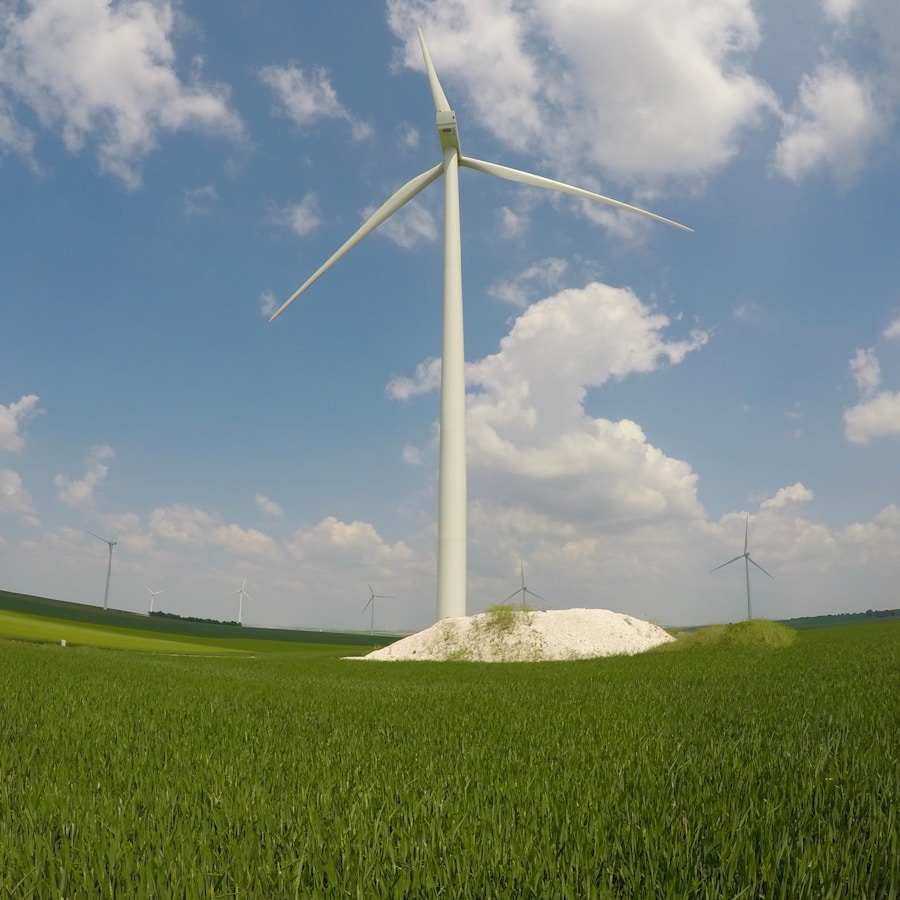
Recent years have witnessed remarkable advancements in renewable energy storage technologies aimed at overcoming existing challenges. Researchers are exploring new battery chemistries that promise enhanced performance and sustainability. Solid-state batteries, for example, utilize a solid electrolyte instead of a liquid one, potentially offering higher energy densities and improved safety profiles.
Companies like QuantumScape are at the forefront of this innovation, with prototypes demonstrating significant improvements in charge times and cycle life compared to traditional lithium-ion batteries. In addition to battery innovations, there is a growing interest in hybrid systems that combine different storage technologies to optimize performance. For instance, integrating lithium-ion batteries with thermal energy storage can create a more resilient system capable of addressing both short-term fluctuations and longer-duration needs.
Furthermore, advancements in artificial intelligence (AI) and machine learning are enabling more efficient management of energy storage systems. These technologies can predict energy demand patterns and optimize charging and discharging cycles accordingly, enhancing overall system efficiency.
The Role of Renewable Energy Storage in the Transition to a Low-Carbon Economy
Renewable energy storage plays a pivotal role in facilitating the transition to a low-carbon economy by enabling greater integration of renewable sources into the energy mix. As countries strive to meet ambitious climate targets set by international agreements such as the Paris Accord, the ability to store excess renewable energy becomes crucial for maintaining grid stability and reliability. Energy storage systems can absorb surplus generation during peak production periods—such as sunny afternoons or windy nights—and release it during times of high demand or low generation.
Moreover, renewable energy storage contributes to reducing greenhouse gas emissions by displacing fossil fuel-based power generation. By providing a reliable backup during periods when renewable generation is insufficient, these technologies can help mitigate reliance on natural gas or coal-fired power plants that typically ramp up during peak demand hours. For example, California has implemented large-scale battery storage projects that allow for the integration of more solar power into its grid while reducing emissions from traditional power sources.
Potential Impact of Renewable Energy Storage Technologies on Energy Grids
The integration of renewable energy storage technologies has profound implications for the design and operation of modern energy grids. As more distributed energy resources (DERs) such as rooftop solar panels and small wind turbines come online, traditional grid architectures must adapt to accommodate bidirectional power flows and decentralized generation. Energy storage systems can act as buffers between these DERs and the grid, smoothing out fluctuations in generation and consumption.
Furthermore, advanced grid management systems that incorporate energy storage can enhance resilience against outages and extreme weather events. For instance, during Hurricane Sandy in 2012, microgrids equipped with battery storage were able to maintain power supply in critical facilities such as hospitals while surrounding areas experienced widespread outages. The ability to isolate sections of the grid and operate independently during emergencies underscores the importance of integrating renewable energy storage into future grid designs.
Economic and Policy Considerations for the Adoption of Renewable Energy Storage Technologies

The economic viability of renewable energy storage technologies is influenced by various factors, including capital costs, operational expenses, and regulatory frameworks. While prices for lithium-ion batteries have decreased significantly—by nearly 90% since 2010—further reductions are necessary to make large-scale deployment economically feasible across all regions. Policymakers play a crucial role in shaping incentives that encourage investment in energy storage solutions.
For instance, tax credits or subsidies for battery installations can stimulate market growth and drive innovation. In addition to financial incentives, regulatory frameworks must evolve to facilitate the integration of energy storage into existing markets. Many electricity markets were designed with traditional generation sources in mind and may not adequately compensate storage systems for their services.
Implementing market structures that recognize the value of flexibility provided by energy storage—such as capacity payments or ancillary service markets—can enhance their economic attractiveness.
Innovations in Materials and Technologies for Renewable Energy Storage
Innovations in materials science are driving breakthroughs in renewable energy storage technologies beyond conventional lithium-ion systems. Researchers are investigating alternative materials that could lead to more sustainable and efficient batteries. Sodium-ion batteries are gaining attention due to their abundance and lower cost compared to lithium-based counterparts.
Companies like Faradion are developing sodium-ion technology that could potentially offer similar performance metrics while alleviating concerns related to resource scarcity. Additionally, advancements in supercapacitors are providing new avenues for rapid charging and discharging applications. Supercapacitors store energy electrostatically rather than chemically, allowing for much faster charge times compared to traditional batteries.
This characteristic makes them ideal for applications requiring quick bursts of power or frequent cycling without significant degradation over time. The combination of supercapacitors with other storage technologies could create hybrid systems that leverage the strengths of each technology.
The Future Outlook for Renewable Energy Storage Technologies
The future outlook for renewable energy storage technologies is promising as ongoing research and development efforts continue to yield innovative solutions tailored to meet diverse energy needs. As global demand for clean energy rises alongside commitments to reduce carbon emissions, investment in advanced storage technologies is expected to accelerate significantly. The International Energy Agency (IEA) projects that global installed battery capacity could reach 1,200 gigawatt-hours (GWh) by 2040 under ambitious climate scenarios.
Moreover, as countries increasingly prioritize energy independence and security amid geopolitical tensions, the role of domestic energy resources—including renewables supported by robust storage solutions—will become even more critical. The convergence of technological advancements with supportive policies will likely catalyze a transformative shift in how we generate, store, and consume energy in the coming decades. As these trends unfold, renewable energy storage will not only enhance grid reliability but also empower communities to take control of their energy futures through localized solutions that promote sustainability and resilience.