Loading...
ArchiveSociety
The Future of Education in a Digital World
This is an archived article from the previous version of this site. It is preserved here for reference.
The advent of the internet has revolutionized the way education is delivered, leading to the emergence of online learning platforms that have transformed traditional educational paradigms. Initially, these platforms offered a limited selection of courses, primarily focusing on professional development and skill enhancement. However, as technology advanced and the demand for flexible learning options grew, online learning platforms expanded their offerings to include a wide array of subjects, catering to diverse audiences ranging from school students to lifelong learners.
Platforms such as Coursera, edX, and Udacity have become household names, providing access to courses from prestigious universities and institutions around the globe. This democratization of education has made it possible for individuals from various backgrounds to pursue knowledge and skills that were once out of reach. The COVID-19 pandemic further accelerated the adoption of online learning platforms, as educational institutions were forced to pivot to remote instruction almost overnight.
This sudden shift highlighted both the potential and the challenges of online education. While many students thrived in this new environment, benefiting from the flexibility and accessibility that online learning provides, others faced significant hurdles, including lack of access to technology and inadequate support systems. The rapid growth of these platforms has also prompted discussions about the quality of online education, with educators and institutions striving to ensure that virtual learning experiences are engaging and effective.
As a result, the landscape of education is evolving, with online learning platforms playing a pivotal role in shaping the future of how knowledge is disseminated.
Key Takeaways
- Online learning platforms have seen a significant rise in popularity, offering a wide range of courses and educational resources.
- Artificial intelligence is playing a crucial role in education, from personalized learning experiences to grading and assessment.
- Virtual reality and augmented reality are transforming the classroom experience, providing immersive and interactive learning opportunities.
- Digital literacy is becoming increasingly important, as technology continues to play a central role in education and everyday life.
- Personalized learning through technology allows for tailored educational experiences, catering to individual student needs and learning styles.
The Role of Artificial Intelligence in Education
Revolutionizing Education with Artificial Intelligence
Artificial Intelligence (AI) is increasingly becoming a cornerstone in the educational landscape, offering innovative solutions that enhance teaching and learning experiences. AI technologies can analyze vast amounts of data to identify patterns in student performance, enabling educators to tailor their approaches to meet individual needs.Personalized Learning with Adaptive Systems
For instance, adaptive learning systems utilize AI algorithms to assess a student's strengths and weaknesses in real-time, adjusting the curriculum accordingly. This personalized approach not only helps students grasp complex concepts more effectively but also fosters a sense of ownership over their learning journey.Streamlining Administrative Tasks with AI-Powered Tools
Moreover, AI-powered tools are streamlining administrative tasks for educators, allowing them to focus more on teaching rather than paperwork. Automated grading systems can evaluate assignments and provide instant feedback, freeing up valuable time for instructors to engage with students on a deeper level.Enhancing Student Support with AI Chatbots
Additionally, AI chatbots are being deployed in educational settings to assist students with common queries, providing 24/7 support and enhancing the overall learning experience. As AI continues to evolve, its integration into education promises to create more dynamic and responsive learning environments that cater to the diverse needs of students.Virtual Reality and Augmented Reality in the Classroom
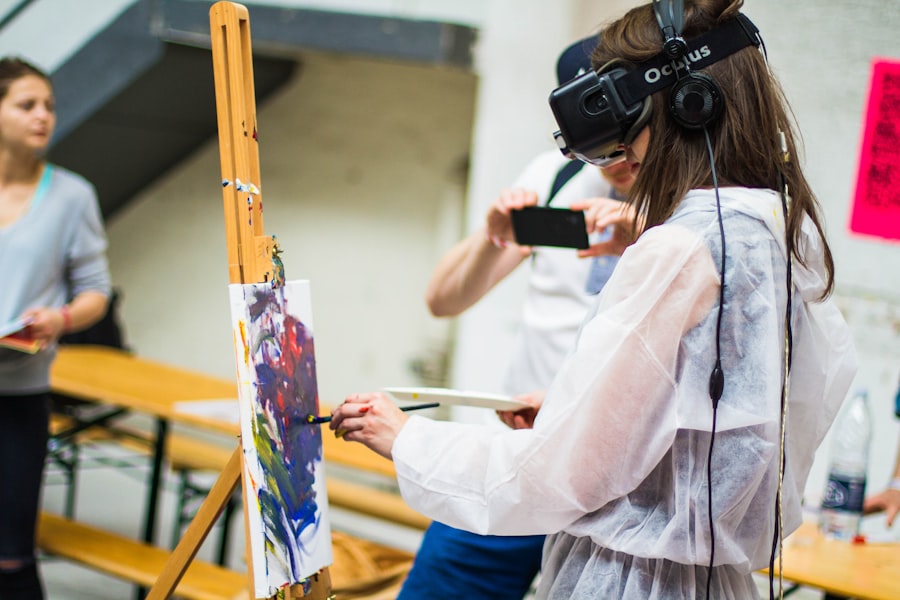
Virtual Reality (VR) and Augmented Reality (AR) technologies are making significant inroads into educational settings, offering immersive experiences that enhance engagement and understanding. VR allows students to step into entirely different worlds, whether it be exploring ancient civilizations or conducting virtual science experiments in a controlled environment. This level of immersion can lead to deeper comprehension of complex subjects by providing experiential learning opportunities that traditional methods cannot replicate.
For example, medical students can practice surgical procedures in a risk-free virtual environment, honing their skills before working with real patients. On the other hand, AR overlays digital information onto the real world, enriching the learning experience by providing context and interactivity. Applications like Google Expeditions allow students to take virtual field trips to historical sites or natural wonders without leaving the classroom.
This technology not only captivates students' attention but also caters to various learning styles by combining visual, auditory, and kinesthetic elements. As educators increasingly recognize the potential of VR and AR in fostering engagement and retention, these technologies are likely to become integral components of modern curricula.
The Importance of Digital Literacy
In an age where technology permeates every aspect of life, digital literacy has emerged as a critical skill set for both students and educators. Digital literacy encompasses not only the ability to use technology effectively but also the capacity to critically evaluate information found online. As misinformation proliferates across digital platforms, equipping students with the skills to discern credible sources from unreliable ones is paramount.
Educational institutions are now prioritizing digital literacy programs that teach students how to navigate the vast sea of information available on the internet while fostering critical thinking skills. Furthermore, digital literacy extends beyond mere technical skills; it also involves understanding the ethical implications of technology use. Students must learn about digital citizenship, which includes respecting others' privacy online and understanding the consequences of their digital footprints.
By integrating digital literacy into the curriculum, educators can prepare students for a future where technology plays an increasingly central role in both personal and professional spheres. This foundational knowledge will empower learners to engage responsibly with technology and harness its potential for positive change.
Personalized Learning through Technology
Personalized learning has gained traction as an effective educational approach that tailors instruction to meet individual student needs. Technology plays a crucial role in facilitating this customization by providing tools that allow educators to create differentiated learning experiences. Learning management systems (LMS) enable teachers to track student progress and adapt lessons based on performance data.
For instance, platforms like Khan Academy offer personalized learning paths that adjust content difficulty based on a student's mastery level, ensuring that each learner progresses at their own pace. Moreover, personalized learning fosters student agency by allowing learners to take control of their educational journeys. With access to a wealth of resources online, students can explore topics that interest them beyond the standard curriculum.
This autonomy not only enhances motivation but also cultivates a love for lifelong learning. As technology continues to evolve, the potential for personalized learning will expand further, enabling educators to create even more tailored experiences that cater to diverse learning styles and preferences.
The Impact of Gamification on Education