Loading...
ArchiveBusiness
The Best Way to Run a Win-Loss Analysis in SaaS Without Wasting Resources
This is an archived article from the previous version of this site. It is preserved here for reference.
When I first delved into the world of SaaS, I quickly realized that understanding why customers choose to buy—or not buy—my product was crucial. Win-loss analysis became a cornerstone of my strategy. It’s not just about tallying up sales; it’s about digging deep into the psyche of the customer.
Each win tells a story of what resonated with them, while each loss reveals gaps in my offering or approach. This analysis provides a roadmap for improvement, helping me refine my product and marketing strategies. The SaaS landscape is incredibly competitive, and standing out requires more than just a great product.
It demands a nuanced understanding of customer behavior and preferences. By systematically analyzing wins and losses, I can identify patterns that inform my decision-making. This process allows me to pivot quickly, adapt to market demands, and ultimately enhance customer satisfaction.
The insights gained from this analysis are invaluable, guiding everything from product development to sales tactics.
Key Takeaways
- Win-loss analysis is crucial for understanding the reasons behind customer decisions in SaaS.
- Key metrics and data points for analysis include customer demographics, buying process, and competitor comparisons.
- Implement a systematic approach to gathering feedback through surveys, interviews, and customer interactions.
- Leverage technology and automation for efficiency in data collection and analysis.
- Involve cross-functional teams in the analysis process to gain diverse perspectives and insights.
- Utilize external resources for unbiased insights and to gain a broader understanding of market trends.
- Turn insights from win-loss analysis into actionable strategies for improvement and growth.
- Continuously iterate and improve the win-loss analysis process to stay ahead of market changes and customer needs.
Identifying Key Metrics and Data Points for Analysis
To make the most of win-loss analysis, I’ve learned that identifying the right metrics is essential. It’s tempting to focus solely on sales figures, but that’s just scratching the surface. I look at a variety of data points, such as customer demographics, deal size, sales cycle length, and reasons for choosing or rejecting my product.
Each of these metrics provides a piece of the puzzle, helping me build a comprehensive picture of my performance in the market. I also pay close attention to qualitative data. Customer feedback during the sales process can be incredibly revealing.
I often find that understanding the emotional drivers behind a decision can be just as important as the hard numbers. By combining quantitative metrics with qualitative insights, I can create a more holistic view of my wins and losses. This dual approach not only enriches my analysis but also helps me communicate findings more effectively across my team.
Implementing a Systematic Approach to Gathering Feedback
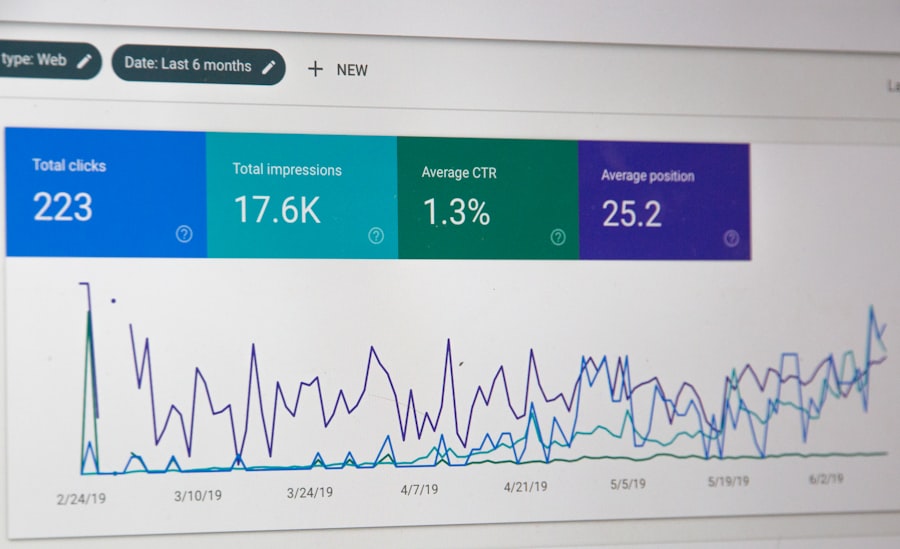
Gathering feedback systematically has been a game-changer for me. I’ve developed a structured process for collecting insights from both won and lost deals. After every significant interaction—whether it’s a demo, proposal, or follow-up—I make it a point to reach out to prospects for their thoughts.
This could be through surveys or direct conversations, but the key is consistency. By establishing a routine, I ensure that I’m capturing feedback regularly rather than sporadically. I’ve also found that timing is crucial.
Reaching out for feedback shortly after a decision is made tends to yield more honest and detailed responses. Prospects are still fresh from their experience, making them more likely to share valuable insights. This systematic approach not only helps me gather data but also fosters a sense of engagement with potential customers, showing them that their opinions matter.
Leveraging Technology and Automation for Efficiency
In today’s fast-paced environment, leveraging technology has become indispensable for efficient win-loss analysis. I’ve embraced various tools that automate data collection and analysis, allowing me to focus on interpreting insights rather than getting bogged down in manual processes. CRM systems can track interactions and outcomes seamlessly, providing a wealth of data at my fingertips.
Automation doesn’t just save time; it also enhances accuracy. By minimizing human error in data entry and analysis, I can trust that the insights I’m working with are reliable.
This technological edge allows me to stay ahead of the competition and make informed decisions quickly.
Involving Cross-Functional Teams in the Analysis Process
One of the most impactful changes I made was involving cross-functional teams in the win-loss analysis process. Sales, marketing, product development, and customer support all have unique perspectives that can enrich the analysis. By bringing these teams together, I create an environment where insights are shared openly and collaboratively.
This cross-pollination of ideas has led to innovative solutions that I might not have considered on my own. For instance, feedback from customer support can highlight recurring issues that sales may not be aware of, while marketing can provide context on how leads were generated. By fostering collaboration across departments, I ensure that our strategies are well-rounded and informed by diverse viewpoints.
Utilizing External Resources for Unbiased Insights

Unbiased Perspective and Fresh Insights
While internal feedback is invaluable, I've found that external resources can provide an unbiased perspective that's equally important. Engaging third-party analysts or consultants can offer fresh insights into market trends and customer preferences that I might overlook due to my proximity to the product. These external voices can challenge assumptions and push me to think differently about my strategy.Benchmarking Performance
I also tap into industry reports and case studies to benchmark my performance against competitors. Understanding how others in the SaaS space are navigating similar challenges can provide context for my own wins and losses.A Comprehensive Understanding
By incorporating these external insights into my analysis, I gain a more comprehensive understanding of where I stand in the market and what steps I need to take moving forward.Turning Insights into Actionable Strategies for Improvement
Insights without action are just noise. Once I’ve gathered and analyzed data from win-loss reviews, the next step is translating those insights into actionable strategies. This often involves prioritizing areas for improvement based on their potential impact on customer satisfaction and revenue growth.
For example, if feedback indicates that prospects find certain features confusing, I’ll work with the product team to enhance usability. I also make it a point to communicate findings across the organization. Sharing insights with the entire team fosters a culture of continuous improvement and accountability.
When everyone understands the reasons behind wins and losses, they’re more likely to align their efforts toward common goals. This collective focus on improvement not only enhances our product but also strengthens our overall market position.
Continuously Iterating and Improving the Win-Loss Analysis Process
Win-loss analysis isn’t a one-time effort; it’s an ongoing process that requires continuous iteration. As I gather more data and insights over time, I regularly revisit my approach to ensure it remains effective. This might involve refining my metrics, adjusting how feedback is collected, or exploring new technologies that enhance efficiency.
I’ve learned that flexibility is key in this process. The SaaS landscape evolves rapidly, and what worked last year may not be as effective today. By staying open to change and committed to refining my analysis process, I can adapt to new challenges and opportunities as they arise.
This commitment to continuous improvement not only benefits my business but also enhances the overall customer experience. In conclusion, win-loss analysis has become an integral part of my strategy in the SaaS space. By understanding its importance, identifying key metrics, gathering feedback systematically, leveraging technology, involving cross-functional teams, utilizing external resources, turning insights into action, and continuously iterating on the process, I’ve been able to drive meaningful improvements in my business.
If you are looking to improve your SaaS company's operations, you may also find value in reading about the importance of crafting Standard Operating Procedures (SOPs) in order to create a roadmap to success. This article on The Art of SOPs: Crafting Your Agency's Roadmap to Success provides valuable insights on how to streamline processes and increase efficiency within your organization. By implementing SOPs, you can ensure that your team is working towards common goals and following best practices.