Loading...
ArchiveProduct
Navigating SaaS Product Management Growth Strategies
This is an archived article from the previous version of this site. It is preserved here for reference.
The Software as a Service (SaaS) product management landscape is a dynamic and multifaceted environment that has evolved significantly over the past decade. At its core, SaaS represents a shift from traditional software delivery models to a cloud-based approach, where applications are hosted remotely and accessed via the internet. This transformation has not only altered how software is developed and delivered but has also redefined the role of product managers within organizations.
In this landscape, product managers are tasked with navigating a complex interplay of customer needs, technological advancements, and competitive pressures. They must possess a keen understanding of both the market and the product lifecycle, ensuring that their offerings remain relevant and valuable to users. Moreover, the SaaS model introduces unique challenges and opportunities for product management.
Unlike traditional software, which often involves one-time purchases and lengthy deployment cycles, SaaS products typically operate on subscription-based models that require continuous engagement with customers. This necessitates a shift in focus from merely delivering a product to fostering ongoing relationships with users. Product managers must prioritize customer feedback, iterate on features rapidly, and ensure that their products evolve in alignment with user expectations.
As a result, the SaaS product management landscape is characterized by an emphasis on agility, customer-centricity, and data-driven decision-making, all of which are essential for sustaining growth in an increasingly competitive market.
Key Takeaways
- SaaS product management landscape is constantly evolving and requires a deep understanding of customer needs and market trends.
- Growth opportunities in SaaS product management can be identified through market research, competitive analysis, and customer feedback.
- Effective customer acquisition and retention strategies are essential for sustainable growth in SaaS product management.
- Leveraging data and analytics is crucial for making informed product management decisions and driving growth.
- Scaling SaaS product management operations requires efficient processes, automation, and a focus on scalability.
Identifying Growth Opportunities in SaaS Product Management
Conducting Comprehensive Market Research
One of the most effective methods for uncovering these opportunities is through comprehensive market research. By analyzing industry trends, competitor offerings, and customer pain points, product managers can pinpoint gaps in the market that their products can fill. This process often involves leveraging tools such as surveys, focus groups, and user interviews to gather qualitative insights that inform product development.Staying Attuned to Emerging Trends and Customer Segmentation
Additionally, staying attuned to emerging technologies and shifts in consumer preferences can provide valuable foresight into potential areas for expansion. Another critical aspect of identifying growth opportunities lies in the ability to segment the customer base effectively. By categorizing users based on their needs, behaviors, and demographics, product managers can tailor their offerings to meet specific demands.Unlocking Revenue Growth through Upselling and Cross-Selling
This segmentation not only aids in developing targeted marketing strategies but also informs product enhancements that resonate with distinct user groups. Furthermore, exploring upselling and cross-selling opportunities within existing customer accounts can lead to significant revenue growth. By understanding how different features or complementary products can add value to current users, product managers can create compelling propositions that encourage customers to invest further in their solutions.Implementing Effective Customer Acquisition and Retention Strategies
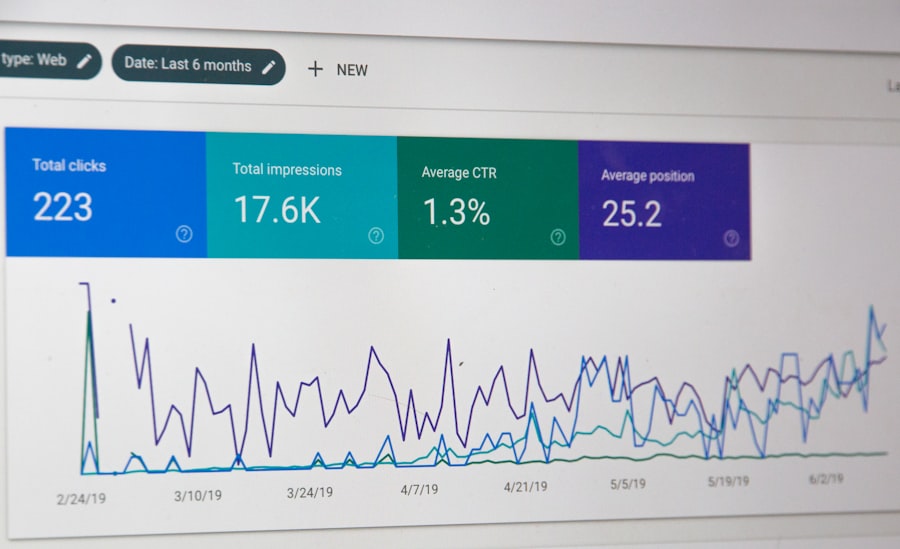
In the competitive realm of SaaS, implementing effective customer acquisition and retention strategies is paramount for long-term success. The acquisition phase often begins with establishing a strong online presence through content marketing, search engine optimization (SEO), and social media engagement. By creating valuable content that addresses potential customers' pain points and interests, SaaS companies can attract organic traffic to their websites.
Additionally, leveraging paid advertising campaigns can help reach targeted audiences more efficiently. However, it is essential to ensure that the messaging resonates with the intended audience, highlighting the unique value proposition of the SaaS offering. Once customers are acquired, retaining them becomes equally crucial.
The subscription model inherent in SaaS means that customer churn can significantly impact revenue streams. To combat this, companies must focus on delivering exceptional customer experiences from onboarding through ongoing support. Implementing robust onboarding processes ensures that new users understand how to utilize the product effectively, while regular check-ins and feedback loops help maintain engagement over time.
Furthermore, investing in customer success teams can provide proactive support that anticipates user needs and addresses issues before they escalate. By fostering a culture of customer-centricity and continuously iterating on the product based on user feedback, SaaS companies can enhance retention rates and build lasting relationships with their customers.
Leveraging Data and Analytics for Product Management Growth
| Metrics | Definition | Importance |
|---|---|---|
| Customer Acquisition Cost (CAC) | The cost of acquiring a new customer, including marketing and sales expenses. | Helps in understanding the efficiency of marketing and sales efforts. |
| Customer Lifetime Value (CLV) | The predicted net profit attributed to the entire future relationship with a customer. | Guides decision-making on customer retention and acquisition strategies. |
| Churn Rate | The percentage of customers who stop using a product or service within a given time period. | Indicates customer satisfaction and product stickiness. |
| Product Engagement Metrics | Metrics such as daily active users, session duration, and feature adoption rate. | Provides insights into how users interact with the product and its features. |
In today's data-driven world, leveraging analytics is essential for driving growth in SaaS product management. The ability to collect and analyze user data provides invaluable insights into how customers interact with a product, enabling product managers to make informed decisions about feature development and enhancements. By utilizing tools such as user analytics platforms and A/B testing frameworks, teams can identify which features resonate most with users and which may require refinement or removal altogether.
This iterative approach not only enhances the user experience but also aligns product offerings more closely with market demands. Moreover, data analytics can play a pivotal role in forecasting trends and identifying potential areas for expansion. By analyzing historical data alongside current market conditions, product managers can anticipate shifts in user behavior or emerging needs within their target audience.
This foresight allows for proactive adjustments to product roadmaps and marketing strategies, ensuring that companies remain ahead of the curve. Additionally, integrating predictive analytics into decision-making processes can help identify at-risk customers who may be on the verge of churning, allowing teams to implement targeted retention strategies before it’s too late. Ultimately, harnessing the power of data not only drives growth but also fosters a culture of continuous improvement within SaaS organizations.
Scaling SaaS Product Management Operations
Scaling SaaS product management operations presents both challenges and opportunities as organizations seek to expand their reach while maintaining quality and efficiency. As companies grow, it becomes increasingly important to establish clear processes and frameworks that facilitate collaboration across teams. Implementing agile methodologies can be particularly beneficial in this context, as they promote iterative development cycles and encourage cross-functional collaboration.
By breaking down silos between departments such as engineering, marketing, and customer support, organizations can foster a more cohesive approach to product management that aligns with overall business objectives. Additionally, investing in technology solutions that streamline operations is crucial for scaling effectively. Tools such as project management software, customer relationship management (CRM) systems, and communication platforms can enhance productivity by providing teams with the resources they need to collaborate seamlessly.
Furthermore, as organizations scale, it becomes essential to prioritize talent acquisition and development within product management teams. Hiring individuals with diverse skill sets and backgrounds can bring fresh perspectives to the table while fostering innovation. By nurturing a culture of continuous learning and professional development, companies can ensure that their product management operations remain agile and responsive to changing market dynamics.
Managing Cross-Functional Teams for Product Management Growth

Creating an Environment of Open Communication and Collaboration
To harness the diversity of these teams effectively, product managers must cultivate an environment of open communication and collaboration. Establishing regular check-ins and feedback sessions allows team members to share insights and align on goals, fostering a sense of shared ownership over the product's success.The Role of Product Managers as Facilitators
Product managers must act as facilitators who bridge gaps between different functions within the organization. This involves not only understanding the technical aspects of the product but also appreciating the nuances of marketing strategies and customer needs.Fostering Empathy, Motivation, and Engagement
By promoting empathy among team members, encouraging them to see things from each other's perspectives, product managers can create a more cohesive team dynamic that drives innovation and problem-solving. Recognizing individual contributions and celebrating team successes fosters motivation and engagement among team members, ultimately leading to enhanced productivity and better outcomes for the organization.Adapting to Market Changes and Emerging Technologies in SaaS Product Management
The ability to adapt to market changes and emerging technologies is crucial for sustained success in SaaS product management. The tech landscape is characterized by rapid evolution; new tools, frameworks, and methodologies emerge regularly, reshaping how products are developed and delivered. To remain competitive, product managers must stay informed about these trends while being willing to pivot their strategies accordingly.
This may involve adopting new technologies that enhance operational efficiency or exploring innovative approaches to customer engagement that leverage advancements in artificial intelligence or machine learning. Furthermore, understanding shifts in consumer behavior is equally important for adapting products to meet evolving needs. As users become more discerning about their software choices—demanding greater personalization and seamless integration—product managers must prioritize flexibility in their offerings.
This could mean developing modular features that allow customers to customize their experience or ensuring compatibility with other popular tools within their ecosystem. By fostering a culture of agility within their teams—encouraging experimentation and rapid iteration—product managers can position their organizations to thrive amidst uncertainty while continuously delivering value to their customers. In this ever-changing landscape, those who embrace change rather than resist it will ultimately emerge as leaders in the SaaS industry.