Loading...
ArchiveUser Experience
Improving Customer Retention in Microloan Apps with Better UX Design
This is an archived article from the previous version of this site. It is preserved here for reference.
Customer retention stands as a cornerstone of success in the microloan app landscape. I recognize that acquiring new users can be a costly endeavor, often requiring significant marketing resources and time. Retaining existing customers, on the other hand, not only reduces these costs but also fosters a loyal user base that can lead to organic growth through referrals.
When users feel satisfied with their experience, they are more likely to return for future loans and recommend the app to friends and family. This word-of-mouth marketing is invaluable, especially in a sector where trust and reliability are paramount. Moreover, I understand that customer retention directly impacts the overall profitability of microloan apps.
Loyal users tend to engage more frequently, leading to increased transaction volumes and higher revenue per user. By focusing on retention strategies, I can create a sustainable business model that thrives on repeat usage rather than one-time transactions. This approach not only enhances the financial health of the app but also contributes to a positive brand reputation in a competitive market.
Key Takeaways
- Customer retention is crucial for the success of microloan apps, as it leads to long-term profitability and sustainability.
- Common user pain points in microloan apps include complex application processes, high interest rates, and lack of personalized recommendations.
- Streamlining the application process is essential for providing a seamless user experience and increasing user satisfaction.
- Implementing personalized recommendations and notifications can help engage users and improve their overall experience with the app.
- Enhancing user trust and security through design is important for building a loyal user base and maintaining a positive reputation.
Identifying Common User Pain Points in Microloan Apps
Identifying user pain points is crucial for enhancing the overall experience within microloan apps. I often observe that many users struggle with complex application processes that can be overwhelming and time-consuming. When users encounter lengthy forms or unclear instructions, frustration sets in, leading to potential drop-offs.
Recognizing these hurdles allows me to prioritize simplification and clarity in the design, ensuring that users can navigate the application process with ease. Another common pain point I frequently encounter is a lack of transparency regarding loan terms and conditions. Users often feel anxious about hidden fees or unfavorable interest rates, which can erode trust in the app.
By addressing these concerns through clear communication and straightforward terms, I can alleviate user anxiety and foster a sense of security. Understanding these pain points enables me to create solutions that not only enhance user satisfaction but also build long-term loyalty.
Streamlining the Application Process for a Seamless User Experience
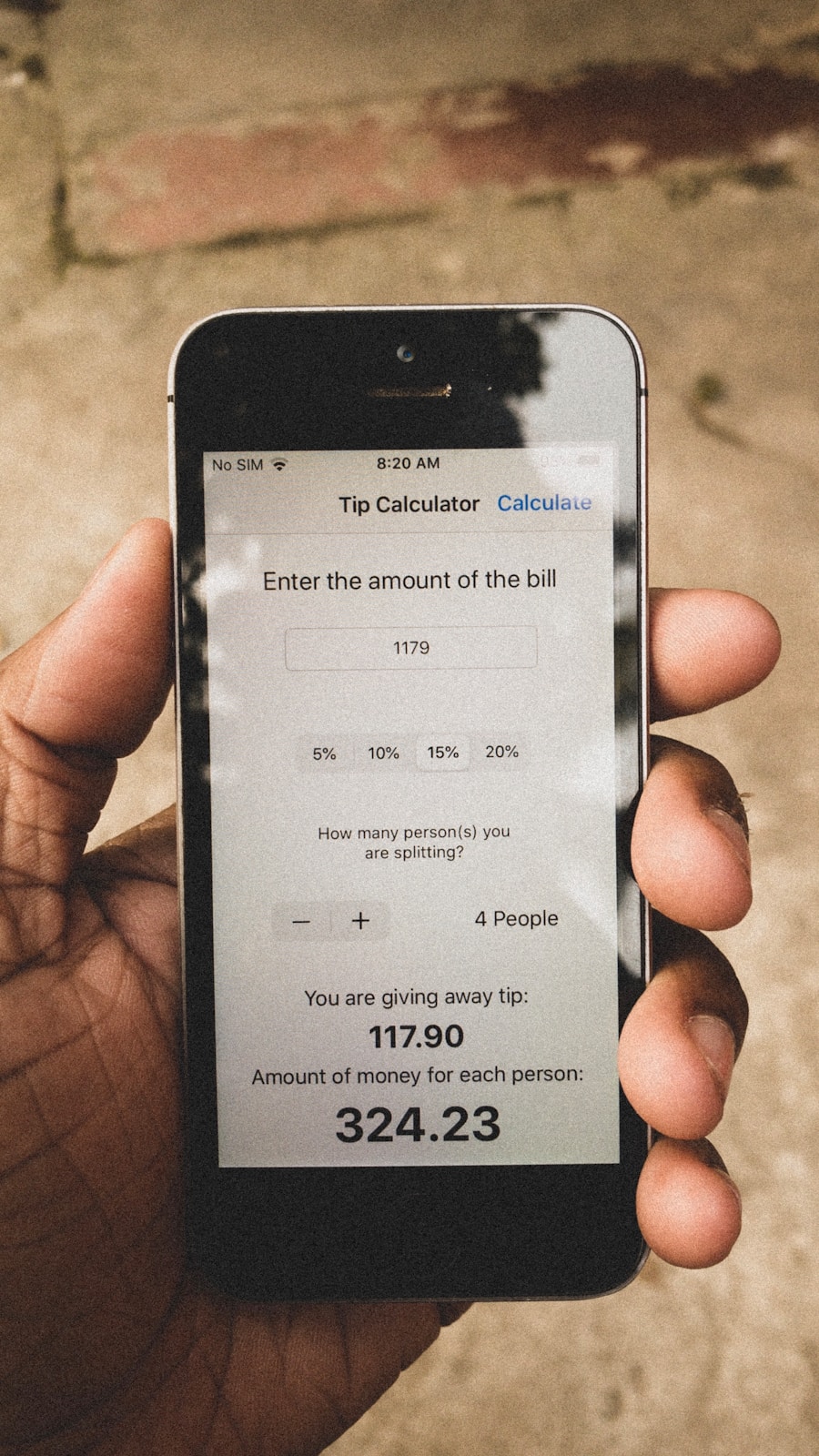
Streamlining the application process is essential for providing a seamless user experience in microloan apps. I focus on minimizing the number of steps required to complete an application, ensuring that users can quickly input their information without feeling overwhelmed. Implementing features such as auto-fill options and progress indicators can significantly reduce friction, allowing users to see how far they’ve come and how much is left to complete.
Additionally, I prioritize mobile optimization since many users access microloan apps via their smartphones. A responsive design that adapts to various screen sizes enhances usability and ensures that users can easily navigate the application process on any device. By creating an intuitive interface that guides users through each step, I can significantly improve completion rates and reduce abandonment during the application process.
Implementing Personalized Recommendations and Notifications
Personalization plays a pivotal role in enhancing user engagement within microloan apps. I leverage data analytics to understand user behavior and preferences, allowing me to offer tailored recommendations based on their financial needs. For instance, if a user frequently applies for small loans, I can suggest similar products or services that align with their borrowing patterns.
This level of personalization not only improves user satisfaction but also increases the likelihood of repeat usage. Notifications also serve as a powerful tool for keeping users informed and engaged. By sending personalized alerts about loan approvals, payment reminders, or new product offerings, I can maintain an ongoing dialogue with users.
These notifications should be timely and relevant, ensuring that users feel valued and informed without being overwhelmed by excessive communication. Striking this balance is key to fostering a positive relationship with users while encouraging them to return to the app for their financial needs.
Enhancing User Trust and Security through Design
Trust is paramount in the fintech space, particularly in microloan apps where users share sensitive financial information. I prioritize security features in my design approach to instill confidence among users. Implementing robust encryption protocols and secure authentication methods ensures that user data remains protected from potential breaches.
Additionally, I make it a point to communicate these security measures clearly within the app, reassuring users that their information is safe. Beyond technical security measures, I focus on creating a trustworthy brand image through design elements. A clean, professional aesthetic combined with clear messaging fosters credibility and reliability.
Users are more likely to engage with an app that appears polished and well-designed. By incorporating trust signals such as customer testimonials or industry certifications into the app’s interface, I can further enhance user confidence and encourage them to take action.
Utilizing Data Analytics to Improve User Experience

Data analytics plays a vital role in continually enhancing user experience in microloan apps. ### Identifying Trends and Preferences By analyzing user behavior patterns, I can identify trends and preferences that inform design decisions. For instance, if data reveals that users frequently abandon their applications at a specific stage, I can investigate the underlying causes and implement targeted improvements to address those issues. ### Evaluating Design Elements with A/B Testing Furthermore, I utilize A/B testing to evaluate different design elements or features within the app. This iterative approach allows me to gather real-time feedback from users and make data-driven decisions that enhance usability. ### Monitoring Key Performance Indicators By continuously monitoring key performance indicators such as conversion rates and user engagement metrics, I can adapt my strategies to meet evolving user needs and preferences effectively.
Providing Clear and Transparent Communication with Users
Clear communication is essential for building trust and ensuring a positive user experience in microloan apps. I prioritize transparency by providing straightforward information about loan terms, fees, and repayment schedules. Users should never feel confused or misled about what they are signing up for; therefore, I strive to present this information in an easily digestible format. Regular updates regarding application status or changes in terms should be communicated promptly and clearly. By fostering open lines of communication, I can create a sense of partnership with users, making them feel valued and respected throughout their financial journey.
Measuring and Tracking User Engagement for Continuous Improvement
Measuring user engagement is vital for understanding how well my microloan app meets user needs. I employ various analytics tools to track metrics such as session duration, frequency of use, and feature adoption rates. These insights provide valuable information about which aspects of the app resonate with users and which areas require improvement.
Continuous improvement hinges on my ability to adapt based on user feedback and engagement data. Regularly soliciting input from users through surveys or feedback forms allows me to gather qualitative insights that complement quantitative data. By combining these perspectives, I can make informed decisions that enhance the overall user experience while ensuring that my microloan app remains competitive in an ever-evolving market.
In conclusion, my expertise in UX design for fintech applications emphasizes the importance of customer retention, understanding user pain points, streamlining processes, personalizing experiences, enhancing trust through design, utilizing data analytics, providing clear communication, and measuring engagement for continuous improvement. By focusing on these key areas, I can create microloan apps that not only meet but exceed user expectations, fostering loyalty and driving long-term success in this dynamic industry.
In a related article on the evolution of conversational AI, the importance of leveraging advanced technology to enhance user experience is highlighted. Just as microloan apps can benefit from better UX design to improve customer retention, the evolution of conversational AI showcases how innovative solutions can revolutionize the way users interact with products and services. By staying ahead of the curve and embracing cutting-edge technologies, companies can create more engaging and user-friendly experiences for their customers.