Loading...
ArchiveBusiness
How to Use Reverse Trials to Improve Paid Conversion Rates in SaaS
This is an archived article from the previous version of this site. It is preserved here for reference.
When I first encountered the concept of reverse trials in the SaaS landscape, it felt like a game-changer. Traditionally, companies offer free trials to entice potential customers, allowing them to experience the product before committing to a purchase. However, reverse trials flip this model on its head.
Instead of giving users free access upfront, I provide them with a limited-time paid experience, often at a discounted rate, followed by a trial period where they can use the product for free if they choose to continue. This approach not only creates a sense of urgency but also positions the product as something valuable right from the start. The beauty of reverse trials lies in their ability to filter out serious prospects from casual users.
When I charge even a nominal fee upfront, I attract individuals who are genuinely interested in my product. This method helps me build a more engaged user base, as those who are willing to invest even a small amount are often more likely to convert into long-term customers. By shifting the focus from free access to a paid experience, I can create a stronger perceived value around my offering, which ultimately leads to higher conversion rates.
Key Takeaways
- Reverse trials in SaaS involve allowing users to experience the full product before requiring payment, flipping the traditional trial model.
- Key metrics to track during reverse trials include user engagement, feature adoption, conversion rates, and customer feedback.
- Creating a compelling offer for reverse trials involves showcasing the value of the product, offering personalized experiences, and providing clear pricing and subscription options.
- Effective communication strategies during reverse trials include personalized onboarding, targeted messaging, and proactive support to address user concerns.
- Leveraging user feedback to optimize the reverse trial experience involves gathering and analyzing user insights to make improvements and address pain points.
Identifying key metrics to track during reverse trials
Conversion Rates: A Key Indicator of Success
I start by monitoring conversion rates, which indicate how many users transition from the paid trial to a full subscription. This metric provides insight into the effectiveness of my initial offer and whether it resonates with my target audience.User Engagement: A Measure of Value
Additionally, I keep an eye on user engagement metrics, such as session duration and feature usage. These indicators help me gauge how actively users are interacting with my product and whether they find it valuable.Churn Rate: Identifying Areas for Improvement
Understanding how many users drop off after the paid trial period allows me to identify potential issues within the product or onboarding process. If I notice a high churn rate, it signals that I need to dig deeper into user feedback and analyze their experiences. By combining these metrics with qualitative data from user surveys or interviews, I can develop a comprehensive understanding of what works and what doesn’t during the reverse trial phase.Creating a compelling offer for reverse trials
Crafting an enticing offer is essential for attracting users to my reverse trial. I start by considering what unique value my product brings to the table and how I can communicate that effectively. Offering a limited-time discount or exclusive features during the trial period can create a sense of urgency and encourage users to take action.
For instance, I might provide access to premium features that are not available in the free version, showcasing the full potential of my product. Additionally, I focus on clear messaging that highlights the benefits of participating in the reverse trial. Instead of simply stating what users will get, I emphasize how my product can solve their specific pain points.
By aligning my offer with their needs and desires, I increase the likelihood that they will see the value in investing in the trial. Ultimately, a compelling offer should not only attract users but also set the stage for a positive experience that leads to conversion.
Implementing effective communication strategies during reverse trials
Communication plays a pivotal role in the success of reverse trials. From the moment users sign up, I ensure that they receive clear and timely information about what to expect during their trial period. This includes onboarding emails that outline key features, tips for getting started, and reminders about important dates related to their trial.
By keeping users informed and engaged, I can help them navigate the product more effectively and reduce any potential confusion. I also prioritize ongoing communication throughout the trial period. Regular check-ins via email or in-app notifications allow me to gather feedback and address any concerns users may have.
This proactive approach not only demonstrates my commitment to their success but also fosters a sense of community around my product. When users feel supported and valued, they are more likely to stick around and convert into paying customers.
Leveraging user feedback to optimize the reverse trial experience
User feedback is an invaluable resource for refining the reverse trial experience. After each trial period, I make it a point to reach out to participants and gather their insights on what they liked and what could be improved. This feedback loop helps me identify common pain points or areas where users may have struggled during their trial.
By actively listening to their experiences, I can make informed adjustments that enhance the overall user journey. Incorporating user feedback doesn’t just improve the product; it also builds trust with my audience. When users see that their opinions are valued and acted upon, they feel more connected to my brand.
This connection can significantly impact their decision to convert after the trial ends. By continuously iterating based on user input, I create a more tailored experience that resonates with my target audience.
Analyzing conversion data to make data-driven decisions
Understanding Conversion Effectiveness
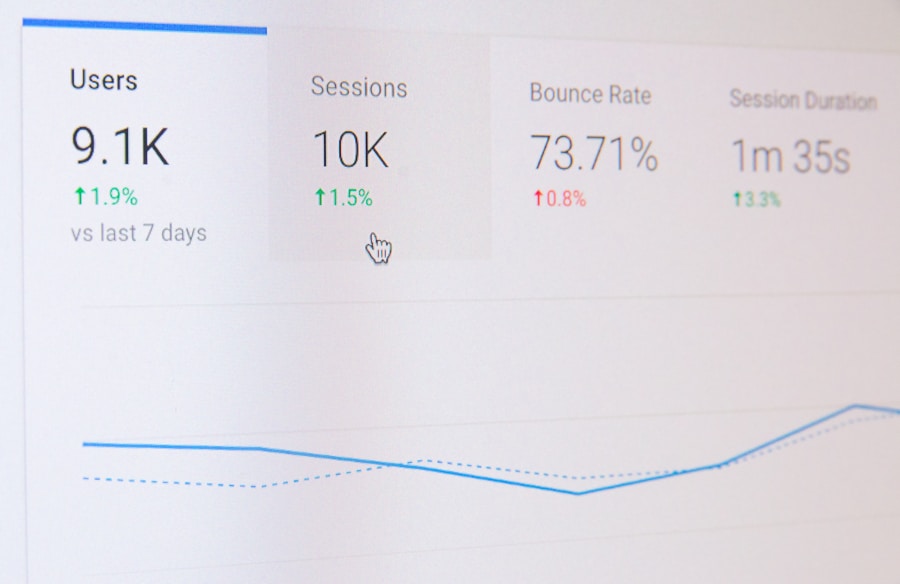
Once the reverse trial concludes, diving into conversion data becomes essential for understanding its effectiveness. I analyze various factors such as user demographics, engagement levels, and feedback scores to identify trends and patterns that may influence conversion rates. For instance, if I notice that certain segments of users are converting at higher rates than others, it prompts me to explore what differentiates those groups and how I can replicate that success across my entire user base.Refining Strategies through Data-Driven Decision-Making
Data-driven decision-making allows me to refine my strategies continuously. If specific features or messaging resonate particularly well with users during the trial, I can double down on those elements in future campaigns. Conversely, if certain aspects lead to higher churn rates or disengagement, it’s crucial for me to address those issues promptly.Driving Better Outcomes through Informed Choices
By leveraging data effectively, I can make informed choices that drive better outcomes for both my business and my customers.Tailoring the onboarding process for reverse trial users
Onboarding is a critical phase for reverse trial users, as it sets the tone for their entire experience with my product. I focus on creating a streamlined onboarding process that guides users through key features and functionalities without overwhelming them. Interactive tutorials or walkthroughs can be incredibly effective in helping users understand how to get the most out of their trial period.
I also consider personalizing the onboarding experience based on user behavior or preferences. For example, if I notice that a user is particularly interested in a specific feature during sign-up, I can tailor their onboarding journey to highlight that aspect further. By making onboarding relevant and engaging, I increase the likelihood that users will see value in my product early on, which can significantly impact their decision to convert after the trial ends.
Scaling and iterating on successful reverse trial strategies
Once I’ve identified successful strategies for reverse trials, scaling those efforts becomes a priority. This involves not only replicating what works but also continuously iterating based on new insights and market trends. As my user base grows, I pay close attention to how different segments respond to various offers or communication styles.
What resonates with one group may not work for another, so flexibility is key. I also explore partnerships or collaborations that can enhance my reverse trial offerings. For instance, teaming up with complementary SaaS products can create bundled offers that provide even more value to potential customers.
By staying agile and open to new ideas, I can ensure that my reverse trial strategies remain effective and relevant in an ever-evolving market landscape. In conclusion, navigating the world of reverse trials in SaaS requires a thoughtful approach that encompasses understanding user needs, tracking key metrics, crafting compelling offers, and maintaining effective communication throughout the process. By leveraging user feedback and analyzing conversion data, I can make informed decisions that optimize the experience for both myself and my customers.
Tailoring onboarding processes and scaling successful strategies further solidifies my position in this competitive landscape.
If you're interested in learning more about the significance of a SaaS product roadmap, check out this insightful article on charting the course to prosperity. By understanding the roadmap of your product, you can better navigate obstacles and achieve success in the competitive SaaS landscape.