Loading...
ArchiveProduct
How to Use Feature Deprecation in SaaS Without Annoying Long-Time Users
This is an archived article from the previous version of this site. It is preserved here for reference.
Feature deprecation is a critical aspect of software development that I have come to recognize as both a necessary and complex process. It involves phasing out certain features or functionalities within a product, often due to technological advancements, shifts in user needs, or the desire to streamline operations. As I delve deeper into this topic, I realize that deprecation is not merely about removing features; it’s about making informed decisions that ultimately enhance the user experience.
By understanding the reasons behind deprecation, I can better appreciate how it contributes to the overall evolution of a product. In my experience, the decision to deprecate a feature often stems from various factors, including performance issues, security vulnerabilities, or the introduction of more efficient alternatives. For instance, I have seen how outdated features can hinder a product's performance and lead to user frustration.
By recognizing these issues early on, I can advocate for a proactive approach to deprecation that prioritizes user satisfaction and product integrity. This understanding allows me to frame deprecation not as a negative event but as an opportunity for growth and improvement.
Key Takeaways
- Feature deprecation is the process of phasing out or removing a software feature that is no longer needed or supported.
- Communicate changes to users through clear and timely notifications, explaining the reasons behind the deprecation and the impact on users.
- Provide alternative solutions or workarounds to help users transition smoothly and minimize disruption to their workflow.
- Gather user feedback through surveys, user forums, or direct communication to understand the impact of the deprecation and address any concerns.
- Gradually roll out changes to a small subset of users before implementing them universally, allowing for testing and adjustment based on user feedback.
Communicating Changes to Users
Clear and Concise Messaging
Crafting clear and concise messages is essential in this process. I strive to provide users with detailed explanations that outline the rationale behind the decision, as well as any potential impacts on their experience. This approach not only fosters trust but also helps users feel valued and respected.Multi-Channel Communication
I have found that utilizing multiple channels can significantly enhance the reach and effectiveness of my messages. Whether through email notifications, in-app alerts, or blog posts, I aim to ensure that users are well-informed about upcoming changes.Encouraging Feedback and Engagement
Additionally, I make it a point to encourage feedback and questions from users, as this two-way communication can help clarify any uncertainties they may have. By actively engaging with users during this transition, I can create a more supportive environment that eases the impact of deprecation.Providing Alternative Solutions
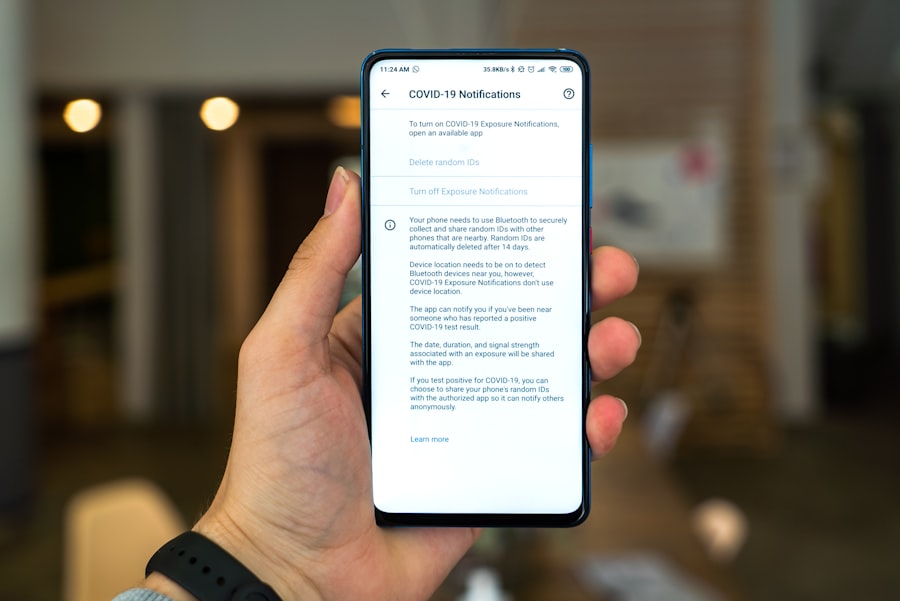
As I navigate the complexities of feature deprecation, I recognize the importance of offering alternative solutions to users. When a feature is phased out, it is crucial to provide users with viable options that meet their needs. In my experience, this not only helps mitigate frustration but also demonstrates my commitment to user satisfaction.
I take the time to research and identify suitable alternatives that align with the goals of both the product and its users. By highlighting these alternatives and showcasing their benefits, I can help users transition smoothly without feeling abandoned.
Additionally, I make it a priority to provide comprehensive resources, such as tutorials or FAQs, that guide users in adapting to these changes. This proactive approach not only alleviates concerns but also empowers users to embrace new possibilities.
Gathering User Feedback
User feedback plays an invaluable role in the deprecation process. I have learned that actively seeking input from users can provide insights that inform my decisions and strategies moving forward. By creating channels for feedback—such as surveys, forums, or direct communication—I can gain a deeper understanding of how users perceive the changes and what their concerns may be.
This information is crucial in shaping my approach to deprecation and ensuring that it aligns with user expectations. In my experience, gathering feedback also fosters a sense of community among users. When they feel heard and valued, they are more likely to engage with the product positively.
I make it a point to acknowledge user feedback and communicate any adjustments made in response to their suggestions. This not only reinforces trust but also encourages ongoing dialogue between myself and the user base. Ultimately, by prioritizing user feedback, I can create a more user-centric approach to feature deprecation.
Gradual Rollout of Changes
Implementing changes gradually is a strategy I have found effective in managing feature deprecation. A phased approach allows me to monitor user reactions and address any issues that may arise before fully committing to the change. By rolling out updates incrementally, I can gather valuable data on how users interact with the new features or alternatives, enabling me to make informed adjustments as needed.
In my experience, gradual rollouts also provide an opportunity for users to acclimate to changes at their own pace. This can significantly reduce resistance and frustration associated with abrupt transitions. I often communicate timelines for these rollouts clearly so that users know what to expect and when.
By setting realistic expectations and providing ongoing support throughout the process, I can help ensure a smoother transition for everyone involved.
Offering Training and Support

As I navigate the challenges of feature deprecation, I recognize the importance of providing adequate training and support for users. When features are removed or replaced, users may require assistance in adapting to new functionalities or workflows. In my experience, offering training sessions—whether through webinars, video tutorials, or written guides—can significantly enhance user confidence and competence in using the updated product.
I have found that personalized support can also make a substantial difference during this transition period. By establishing dedicated support channels where users can ask questions or seek clarification, I can create an environment where they feel comfortable expressing their concerns. This level of support not only helps users adjust more effectively but also reinforces their trust in the product and its development team.
Maintaining Transparency
Transparency is a guiding principle in my approach to feature deprecation. I believe that being open about the reasons behind changes fosters trust between myself and the user community. When users understand the motivations driving deprecation—whether related to performance improvements, security enhancements, or alignment with industry standards—they are more likely to accept these changes positively.
In my experience, maintaining transparency also involves being upfront about potential challenges or limitations associated with new features or alternatives. By setting realistic expectations and acknowledging any shortcomings, I can help users navigate the transition with greater ease. This level of honesty not only builds credibility but also encourages users to engage more actively in discussions about future developments.
Monitoring and Adjusting Deprecation Process
The process of feature deprecation is not static; it requires ongoing monitoring and adjustment based on user feedback and performance metrics. I have learned that regularly assessing how users are responding to changes allows me to identify areas for improvement and make necessary adjustments in real-time. This iterative approach ensures that the deprecation process remains aligned with user needs and expectations.
In my experience, being responsive to user feedback during this phase is crucial for maintaining satisfaction and engagement. If issues arise or if users express concerns about specific aspects of the deprecation process, I am committed to addressing these promptly. By remaining flexible and open to change, I can create a more positive experience for users while ensuring that the product continues to evolve in meaningful ways.
In conclusion, navigating feature deprecation is a multifaceted challenge that requires careful consideration of user needs and effective communication strategies. By understanding the rationale behind deprecation, communicating changes transparently, providing alternative solutions, gathering feedback, implementing gradual rollouts, offering training and support, maintaining transparency, and continuously monitoring the process, I can create a more user-centric approach that ultimately enhances the overall experience for everyone involved.
If you are interested in exploring the intersection of technology and sustainability, you may also enjoy reading Sustainable Tech: Moving Towards Eco-Friendly Digital Solutions. This article delves into the importance of creating environmentally friendly digital solutions and how technology can be used to promote sustainability in the digital age.