Loading...
ArchiveBusiness
How to Transition a SaaS Company from Single-Product to Multi-Product Without Confusing Users
This is an archived article from the previous version of this site. It is preserved here for reference.
Diving into the world of SaaS, I quickly realized that understanding the user base is the cornerstone of any successful transition. Each user comes with their own set of needs, preferences, and pain points. I’ve found that taking the time to segment users based on their behaviors and demographics can provide invaluable insights.
For instance, some users might be tech-savvy and eager to embrace new features, while others may feel overwhelmed by change. By analyzing usage patterns and gathering data on how different segments interact with the product, I can tailor my approach to meet their specific needs. Engaging directly with users has proven to be equally important.
I often conduct surveys or hold focus groups to gather qualitative feedback. This not only helps me understand their expectations but also fosters a sense of community. When users feel heard, they’re more likely to embrace changes rather than resist them.
I’ve learned that building relationships with users can lead to deeper insights, allowing me to anticipate their reactions and adjust my strategies accordingly.
Key Takeaways
- Understanding the User Base:
- Conduct thorough research to understand the needs and preferences of the user base.
- Identify key user personas to tailor the transition process effectively.
- Communicating the Transition:
- Clearly communicate the reasons for the transition and the benefits it will bring to the users.
- Provide multiple channels for communication and feedback to ensure users are well-informed.
- Creating a Seamless User Experience:
- Design the transition process to be intuitive and user-friendly.
- Provide clear instructions and support to help users navigate the changes seamlessly.
- Managing Customer Expectations:
- Set realistic expectations for the transition process and its timeline.
- Proactively address any potential concerns or challenges to minimize user frustration.
- Training and Support for Users:
- Offer comprehensive training and support resources to help users adapt to the new products or services.
- Provide ongoing assistance and guidance to address any user issues or questions.
- Marketing the New Products:
- Develop a targeted marketing strategy to highlight the benefits and features of the new products.
- Utilize various marketing channels to reach and engage with the user base effectively.
- Gathering User Feedback:
- Implement feedback mechanisms to gather user insights throughout the transition process.
- Use user feedback to make informed adjustments and improvements to the transition process.
- Monitoring and Adjusting the Transition Process:
- Continuously monitor the transition process and user feedback to identify any areas for improvement.
- Be flexible and willing to make adjustments to the transition plan as needed.
Communicating the Transition
Transparency is Key
Once I have a solid grasp of my user base, the next step is communicating the transition effectively. Transparency is key here. I’ve found that users appreciate being kept in the loop about what’s changing and why.Crafting Clear Messages
Crafting clear, concise messages that outline the benefits of the new features or products can make a significant difference. I often use multiple channels—emails, blog posts, and even social media—to ensure that the message reaches everyone.Timing is Everything
Timing also plays a crucial role in communication. I’ve learned that announcing changes too early can lead to confusion, while waiting too long can create anxiety. Striking the right balance is essential. I typically aim to provide updates as soon as I have concrete information, but I also make sure to give users enough time to digest the information before the actual transition occurs. This approach not only prepares them for what’s coming but also builds trust in my brand.Creating a Seamless User Experience
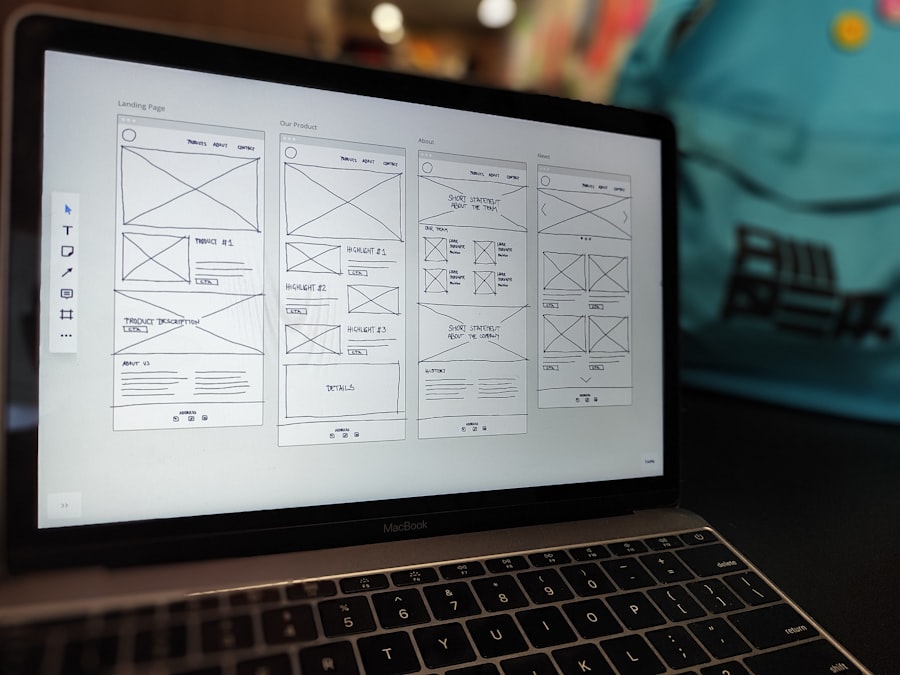
Creating a seamless user experience during a transition is where the rubber meets the road. I’ve discovered that even minor hiccups can lead to frustration and dissatisfaction among users. To mitigate this, I focus on ensuring that the new features integrate smoothly with existing ones.
Conducting thorough testing before launch is non-negotiable for me; it’s essential to identify potential issues and address them proactively. User interface design plays a pivotal role in this process. I’ve learned that intuitive design can significantly reduce the learning curve for users.
By keeping navigation simple and familiar, I can help users feel comfortable with new functionalities. Additionally, providing clear onboarding materials—like tutorials or walkthroughs—can guide users through the transition, making it feel less daunting.
Managing Customer Expectations
Managing customer expectations is another critical aspect of a successful transition. I’ve found that setting realistic timelines and being upfront about potential challenges can prevent disappointment down the line. When users know what to expect, they’re more likely to remain patient and understanding during the transition period.
I often emphasize the long-term benefits of the changes rather than just focusing on immediate improvements. By painting a picture of how these updates will enhance their experience in the future, I can help users see beyond any temporary inconveniences. Regular updates during the transition also keep users informed about progress and any adjustments being made, reinforcing their trust in my commitment to delivering a quality product.
Training and Support for Users
Training and support are vital components of any transition strategy. I’ve learned that even the most intuitive features can leave users feeling lost without proper guidance. Offering comprehensive training resources—such as webinars, video tutorials, or interactive guides—can empower users to navigate new functionalities confidently.
I also prioritize creating a robust support system during transitions. Having a dedicated support team available to address user concerns in real-time can alleviate anxiety and foster a sense of security. I often encourage users to reach out with questions or feedback, reinforcing that their input is valued and essential for refining the product further.
Marketing the New Products
Storytelling: A Powerful Tool
I have found that sharing success stories or studies from early adopters can illustrate how the new features have positively impacted them. This not only builds but also creates a sense around the product.Leveraging Digital Channels
Leveraging social media and email campaigns has proven effective for me as well. I craft engaging content that highlights key benefits and encourages users to explore new functionalities.Creating Urgency
Offering limited-time promotions or incentives can also create urgency and motivate users to explore the new offerings sooner rather than later.Gathering User Feedback
Once the transition is underway, gathering user feedback becomes paramount. I’ve learned that actively seeking input from users not only helps identify areas for improvement but also demonstrates that their opinions matter. Surveys, feedback forms, and direct outreach are all effective methods I use to collect insights.
Analyzing this feedback allows me to make data-driven decisions about future updates or adjustments. It’s essential to show users that their feedback leads to tangible changes; this reinforces their engagement and loyalty to my brand. When users see their suggestions implemented, it fosters a sense of ownership over the product, making them more likely to advocate for it within their networks.
Monitoring and Adjusting the Transition Process
Finally, monitoring and adjusting the transition process is an ongoing commitment. I’ve learned that flexibility is key; being willing to pivot based on user feedback or unforeseen challenges can make all the difference in ensuring a smooth transition. Regularly reviewing metrics related to user engagement and satisfaction helps me gauge how well the changes are being received.
I often hold post-transition reviews with my team to discuss what worked well and what could be improved for future transitions. This reflective practice not only enhances our processes but also ensures that we’re continually evolving to meet user needs better. By staying attuned to user experiences and being proactive in addressing concerns, I can foster a culture of continuous improvement that ultimately benefits everyone involved.
Navigating transitions in SaaS isn’t just about implementing new features; it’s about understanding users, communicating effectively, and creating an experience that resonates with them. By focusing on these elements, I can ensure that transitions are not just successful but also pave the way for long-term growth and satisfaction among my user base.
If you are interested in exploring unconventional strategies and unique approaches to business, you may enjoy reading ratomir.com/blog/decoding-the-unconventional-magic-of-lingscars-com-an-in-depth-information-architecture-review/'>Decoding the Unconventional Magic of Lingscars.. This article delves into the fascinating world of an unconventional car leasing website and provides insights into its innovative information architecture. Just as transitioning a SaaS company from single-product to multi-product requires careful planning and strategic thinking, decoding the unconventional magic of Lingscars.com offers valuable lessons in thinking outside the box and reimagining traditional business models.