Loading...
ArchiveBusiness
How to Structure an Outbound Sales Strategy for SaaS Without Burning Leads
This is an archived article from the previous version of this site. It is preserved here for reference.
Diving into the world of SaaS, I quickly realized that understanding my target audience is the cornerstone of any successful business strategy. It’s not just about knowing who they are; it’s about grasping their pain points, aspirations, and behaviors. I’ve spent countless hours conducting surveys, analyzing user data, and engaging in conversations with potential customers.
This deep dive into their needs has allowed me to create a more tailored approach to my offerings. I’ve learned that demographics alone don’t paint the full picture. Psychographics—like values, interests, and lifestyle—play a crucial role in shaping how I communicate and connect with my audience.
As I’ve honed in on my target audience, I’ve discovered the importance of segmentation. Not all users are created equal, and treating them as such can lead to missed opportunities. By categorizing my audience based on their specific needs and characteristics, I can craft messages that resonate more deeply.
For instance, a startup founder might be looking for scalability, while an established enterprise might prioritize security and compliance. Understanding these nuances has empowered me to speak directly to their concerns, making my outreach efforts far more effective.
Key Takeaways
- Understanding the target audience is crucial for effective marketing and sales strategies.
- Creating a compelling value proposition helps to differentiate your offering and attract potential leads.
- Building a high-quality lead list ensures that you are targeting the right prospects for your business.
- Personalizing outreach and messaging increases the chances of engaging with potential leads.
- Utilizing multiple communication channels allows for reaching a wider audience and increasing response rates.
Creating a Compelling Value Proposition
Understanding the Core Problems
I've learned that a strong value proposition should address the core problems my audience faces while highlighting the unique benefits my solution offers. This requires a delicate balance of clarity and persuasion.The Power of Storytelling
I often find myself asking, "What makes my product indispensable?" This question drives me to distill my message down to its essence. I've also discovered that storytelling plays a pivotal role in conveying my value proposition. Instead of bombarding potential customers with technical jargon, I share relatable stories that illustrate how my product has transformed the lives of users.Building Trust and Connection
By weaving in real-life examples and testimonials, I create an emotional connection that resonates far beyond mere statistics. This approach not only captures attention but also builds trust, making it easier for prospects to envision themselves benefiting from my solution.Building a High-Quality Lead List
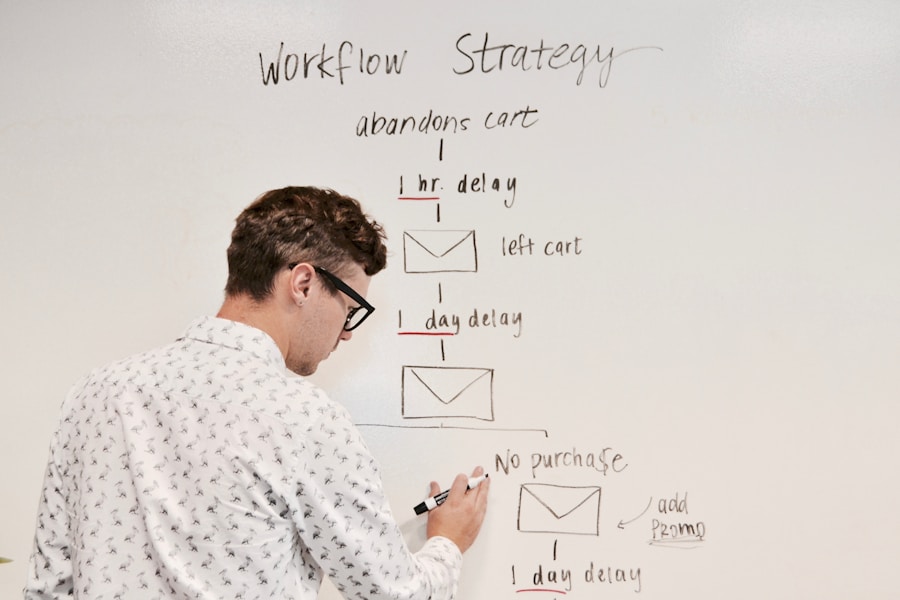
Building a high-quality lead list has been a game-changer for my SaaS business. Initially, I made the mistake of casting a wide net, hoping to attract as many leads as possible. However, I soon realized that quality trumps quantity every time.
I shifted my focus to identifying ideal customer profiles—those who would genuinely benefit from my product. This meant diving into industry research, analyzing competitors, and leveraging tools like LinkedIn to pinpoint decision-makers within organizations. I’ve also found that nurturing relationships is key to maintaining a high-quality lead list.
Instead of simply collecting names and emails, I engage with potential leads through valuable content and personalized interactions. Whether it’s sharing insightful articles or inviting them to webinars, I aim to provide value before asking for anything in return. This approach not only helps me build rapport but also ensures that when I do reach out with an offer, it feels like a natural progression rather than a hard sell.
Personalizing Outreach and Messaging
Personalization has become my secret weapon in outreach and messaging. Gone are the days of generic emails that get lost in crowded inboxes. I’ve learned that taking the time to tailor my communication can significantly increase engagement rates.
This means addressing recipients by name, referencing their specific challenges, and even mentioning recent achievements or news related to their company. It’s all about making them feel seen and understood. I’ve also embraced the power of data in personalizing my outreach.
By analyzing user behavior and preferences, I can segment my audience further and craft messages that resonate on a deeper level. For instance, if I know a lead has shown interest in a particular feature of my product, I’ll highlight that aspect in my communication. This level of personalization not only captures attention but also fosters a sense of connection that can lead to meaningful conversations.
Utilizing Multiple Communication Channels
In today’s digital landscape, relying on a single communication channel is a recipe for stagnation. I’ve learned the importance of diversifying my outreach efforts across multiple platforms. Email remains a staple, but I’ve found success in leveraging social media, webinars, and even direct messaging on platforms like LinkedIn.
Each channel offers unique opportunities to connect with potential customers in different contexts. I’ve also discovered that different audiences prefer different channels. Some leads respond better to direct emails, while others engage more actively on social media. This multi-channel approach not only broadens my reach but also allows me to engage with prospects in ways that feel most comfortable for them.
Implementing an Effective Follow-Up Process
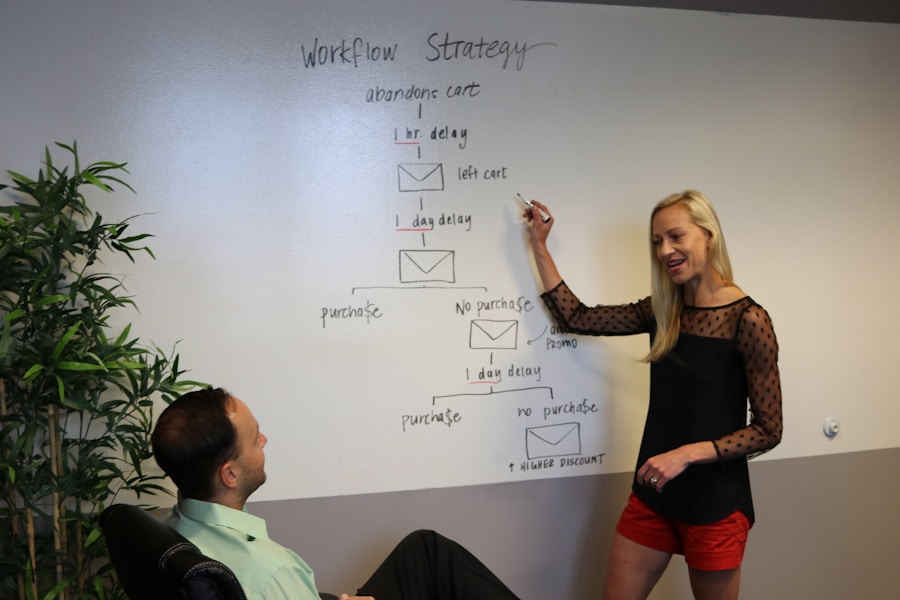
The follow-up process is where many businesses falter, but I’ve made it a priority to refine this aspect of my strategy. After initial outreach, I don’t just sit back and wait for responses; I proactively follow up with leads who haven’t engaged yet. Timing is crucial here—too soon can feel pushy, while too late might mean they’ve moved on.
I’ve found that a well-timed follow-up can reignite interest and keep the conversation alive. I also personalize my follow-ups based on previous interactions. If a lead expressed interest in a specific feature during our last conversation, I’ll reference that in my follow-up message.
This shows that I’m attentive and genuinely interested in their needs rather than just pushing for a sale. Additionally, I’ve started incorporating value-driven follow-ups—sharing relevant resources or insights that align with their interests—further solidifying my position as a trusted advisor rather than just another salesperson.
Measuring and Analyzing Performance
Measuring and analyzing performance has become an integral part of my SaaS strategy. Without data-driven insights, it’s easy to get lost in assumptions about what works and what doesn’t. I’ve implemented key performance indicators (KPIs) to track everything from email open rates to conversion rates on landing pages.
This quantitative approach allows me to identify trends and make informed decisions about where to allocate resources. Beyond just numbers, qualitative feedback is equally important. Engaging with customers post-purchase or after a demo provides invaluable insights into their experiences and perceptions of my product.
By combining quantitative data with qualitative feedback, I can paint a comprehensive picture of what’s working and what needs improvement. This ongoing analysis not only informs my current strategies but also shapes future initiatives as I strive for continuous growth.
Continuous Improvement and Adaptation
The SaaS landscape is ever-evolving, and I’ve learned that continuous improvement and adaptation are essential for long-term success. Sticking rigidly to one strategy can lead to stagnation; instead, I embrace change as an opportunity for growth. Regularly revisiting my processes allows me to identify areas for enhancement and stay ahead of industry trends.
I also foster a culture of feedback within my team. Encouraging open dialogue about what’s working and what isn’t creates an environment where innovation thrives. By being receptive to new ideas and willing to pivot when necessary, I position myself—and my business—for sustained success in an increasingly competitive market.
Ultimately, it’s this commitment to continuous improvement that keeps me motivated and excited about the journey ahead in the SaaS world.
If you're looking to enhance the user experience of your SaaS product, you may want to check out ratomir.com/blog/crafting-the-ultimate-user-settings-a-symphony-of-simplicity-and-flexibility/'>this article on crafting the ultimate user settings. It provides valuable insights on how to create a seamless and customizable experience for your users. Additionally, if you're curious about the team behind Ratomir and their expertise in scaling businesses, you can read more about them here. And for entrepreneurs looking to overcome scaling challenges, this guide offers practical advice on navigating growth hurdles.