Loading...
ArchiveCybersecurity
How to Secure SaaS Database Connections in Multi-Tenant Environments Without Performance Overhead
This is an archived article from the previous version of this site. It is preserved here for reference.
As I delve into the world of multi-tenant Software as a Service (SaaS) environments, I quickly realize that the security risks are both complex and multifaceted. In a multi-tenant architecture, multiple customers share the same application and database resources, which inherently raises concerns about data isolation and privacy. One of the most pressing risks I encounter is the potential for data leakage between tenants.
If proper security measures are not in place, a malicious actor could exploit vulnerabilities to access sensitive information belonging to other tenants. This risk is exacerbated by the fact that many organizations may not fully understand the implications of sharing resources in a cloud environment. Moreover, I find that the dynamic nature of multi-tenant SaaS applications introduces additional vulnerabilities.
Frequent updates and changes to the software can inadvertently create security gaps that attackers may exploit. The shared infrastructure also means that a security breach in one tenant's environment could potentially compromise the entire system. As I navigate through these challenges, I recognize the importance of implementing robust security protocols to mitigate these risks.
Understanding these vulnerabilities is the first step in developing a comprehensive security strategy that protects both my organization and its customers.
Key Takeaways
- Multi-tenant SaaS environments pose unique security risks that must be understood and addressed.
- Encryption and authentication protocols are essential for securing database connections in SaaS environments.
- Role-based access control is a powerful tool for limiting data exposure and protecting sensitive information.
- Monitoring and auditing database activity is crucial for maintaining security compliance in multi-tenant SaaS environments.
- Virtual Private Networks (VPNs) provide a secure method for transmitting data in SaaS environments.
Implementing Encryption and Authentication Protocols for Database Connections
Encryption: A Formidable Barrier Against Unauthorized Access
Encryption serves as a formidable barrier against unauthorized access, ensuring that even if data is intercepted during transmission, it remains unreadable to prying eyes. I prioritize implementing strong encryption standards, such as Advanced Encryption Standard (AES), to safeguard sensitive information both at rest and in transit.Authentication Protocols: Building Trust with Users
Authentication protocols are equally vital in this context. I focus on implementing robust methods such as OAuth 2.0 and OpenID Connect, which provide secure mechanisms for user authentication and authorization.Staying Vigilant and Adapting to Emerging Threats
These measures not only enhance security but also align with industry best practices, demonstrating my commitment to protecting user data. As I continue to refine these protocols, I remain vigilant about emerging threats and adapt my strategies accordingly to ensure that my database connections remain secure.Utilizing Role-Based Access Control to Limit Data Exposure
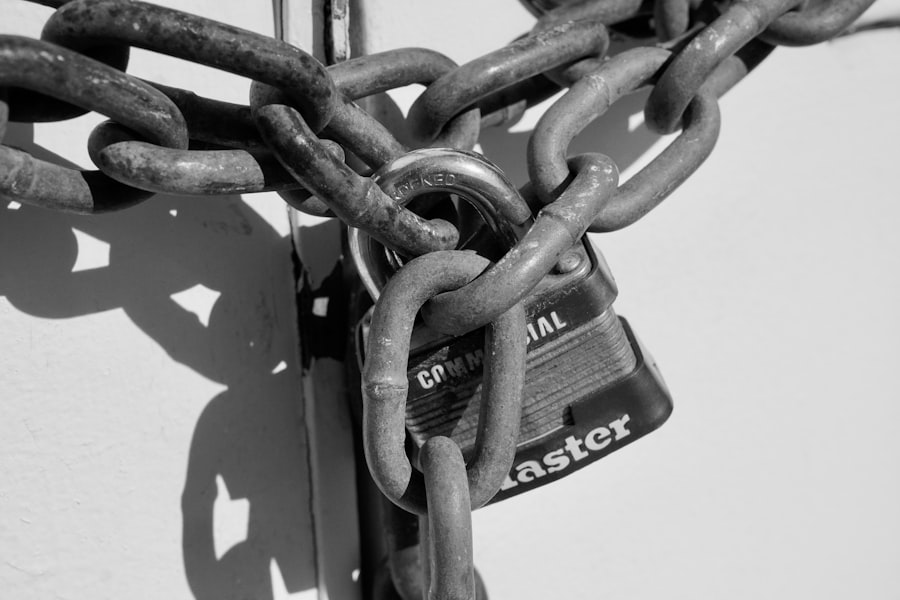
As I explore ways to enhance security in my multi-tenant SaaS environment, I find that implementing Role-Based Access Control (RBAC) is a game-changer. This principle of least privilege is essential in minimizing data exposure and reducing the risk of insider threats.
By carefully managing user roles, I can prevent unauthorized access to sensitive information, thereby bolstering my overall security posture. In practice, I take the time to analyze the various roles within my organization and determine the appropriate access levels for each. This process involves collaboration with different departments to understand their specific needs while maintaining stringent security measures.
Additionally, I regularly review and update these roles as organizational needs evolve or as new employees join the team. By doing so, I ensure that my RBAC implementation remains effective over time. The peace of mind that comes from knowing that access is tightly controlled allows me to focus on other critical aspects of my SaaS operations.
Monitoring and Auditing Database Activity for Security Compliance
Monitoring and auditing database activity is another crucial component of my security strategy in a multi-tenant SaaS environment. By actively tracking user interactions with the database, I can identify suspicious behavior and potential security breaches before they escalate into serious incidents. Implementing comprehensive logging mechanisms allows me to capture detailed records of all database transactions, which can be invaluable for forensic analysis in the event of a security incident.
I also recognize that compliance with industry regulations is paramount in maintaining customer trust and avoiding legal repercussions. Regular audits of database activity help me ensure that my organization adheres to relevant standards such as GDPR or HIPABy conducting these audits, I can identify any gaps in compliance and take corrective action promptly. This proactive approach not only enhances security but also demonstrates my commitment to safeguarding customer data in accordance with regulatory requirements.
Leveraging Virtual Private Networks (VPNs) for Secure Data Transmission
In my quest for secure data transmission within a multi-tenant SaaS environment, I have found that leveraging Virtual Private Networks (VPNs) is an effective solution. VPNs create encrypted tunnels for data transmission, ensuring that sensitive information remains protected from eavesdropping or interception during transit. By implementing VPNs for remote access to my databases, I can provide employees with secure connections while minimizing the risk of unauthorized access.
Furthermore, I appreciate that VPNs offer an additional layer of security when accessing cloud-based resources. As my organization increasingly relies on remote work and cloud services, ensuring secure connections becomes even more critical. By mandating VPN usage for all remote employees, I can enforce consistent security practices across my organization.
This not only protects sensitive data but also fosters a culture of security awareness among my team members.
Implementing Data Masking and Tokenization Techniques to Protect Sensitive Information

As I navigate the complexities of data protection in a multi-tenant SaaS environment, I have discovered the value of implementing data masking and tokenization techniques. Data masking involves obscuring sensitive information within databases so that it remains usable for testing or analysis without exposing actual data. This approach allows me to maintain functionality while safeguarding customer privacy, which is particularly important when working with development or testing environments.
Tokenization takes this concept a step further by replacing sensitive data elements with non-sensitive equivalents or tokens. These tokens can be mapped back to the original data only by authorized systems, effectively reducing the risk of data breaches. By employing both data masking and tokenization strategies, I can ensure that sensitive information is protected throughout its lifecycle while still allowing necessary access for legitimate purposes.
This dual approach not only enhances security but also aligns with best practices for data protection in compliance with various regulations.
Utilizing Database Activity Monitoring (DAM) Solutions for Real-Time Threat Detection
In my ongoing efforts to bolster security within my multi-tenant SaaS environment, I have turned to Database Activity Monitoring (DAM) solutions as a key component of my strategy. DAM tools provide real-time visibility into database activity, allowing me to detect anomalies and potential threats as they occur. By continuously monitoring user interactions with the database, I can quickly identify suspicious behavior that may indicate a security breach or insider threat.
The insights gained from DAM solutions enable me to respond proactively to potential threats before they escalate into serious incidents. For instance, if I notice unusual access patterns or unauthorized attempts to modify data, I can investigate further and take appropriate action immediately. This level of vigilance not only enhances my organization's security posture but also instills confidence in my customers that their data is being monitored and protected effectively.
Implementing Secure Socket Layer (SSL) and Transport Layer Security (TLS) for Secure Data Transmission
As I continue to refine my approach to securing data transmission within a multi-tenant SaaS environment, I recognize the importance of implementing Secure Socket Layer (SSL) and Transport Layer Security (TLS) protocols. These cryptographic protocols provide a secure channel for communication over networks, ensuring that data transmitted between clients and servers remains confidential and integral. By enabling SSL/TLS on all web applications and services, I can protect sensitive information from interception during transmission.
Moreover, I understand that SSL/TLS not only secures data but also authenticates the identity of the communicating parties. This dual function helps prevent man-in-the-middle attacks and ensures that users are connecting to legitimate services rather than malicious impostors. As I implement these protocols across my organization’s infrastructure, I remain vigilant about keeping them updated to address emerging vulnerabilities and maintain compliance with industry standards.
The peace of mind that comes from knowing that my data transmission is secure allows me to focus on delivering exceptional service to my customers while safeguarding their information effectively. In conclusion, navigating the complexities of security in multi-tenant SaaS environments requires a multifaceted approach that encompasses various strategies and technologies. From understanding inherent risks to implementing robust encryption protocols and monitoring solutions, each step plays a vital role in protecting sensitive information and maintaining customer trust.
As I continue to evolve my security practices, I remain committed to staying informed about emerging threats and adapting my strategies accordingly to ensure a secure environment for all users.
If you are interested in learning more about how businesses are adapting to the new normal of remote work, check out the article The Rise of Remote Work: How Businesses are Adapting to the New Normal. This article discusses the challenges and opportunities that come with remote work and how companies are adjusting their strategies to thrive in this new environment.