Loading...
ArchiveBusiness
How to Reduce Feature Bloat in a Scaling SaaS Product Without Losing Customers
This is an archived article from the previous version of this site. It is preserved here for reference.
Feature bloat is a term that often gets thrown around in the SaaS world, and for good reason. I’ve seen it firsthand: a product that starts with a clear purpose gradually morphs into a sprawling collection of features that no one really uses. It’s like trying to navigate a maze where every turn leads to another dead end.
The initial vision gets lost in the noise, and what was once a streamlined solution becomes an overwhelming experience for users. When I think about feature bloat, I can’t help but consider the impact it has on user satisfaction. Customers come to us seeking solutions to specific problems, not a laundry list of features that complicate their experience.
The irony is that while we often add features with the intention of enhancing value, we can inadvertently dilute the core offering. This dilution can lead to confusion, frustration, and ultimately, churn. Understanding feature bloat is the first step in reclaiming clarity and purpose in our products.
Key Takeaways
- Feature bloat can lead to decreased user satisfaction and increased complexity in SaaS products
- Conducting a comprehensive feature audit is essential to identify redundant or underutilized features
- Prioritizing features based on customer needs can help streamline the product and improve user experience
- Streamlining user experience and interface can make the product more intuitive and user-friendly
- Implementing agile development practices can help in continuously improving and iterating the product based on customer feedback
Conducting a Comprehensive Feature Audit
Gathering Valuable Insights
Engaging with customers through surveys or interviews can provide invaluable insights. This qualitative data complements the quantitative metrics, helping to identify not just what features are used, but why they matter—or don’t— to users. By combining these approaches, a comprehensive feature audit can be achieved, ultimately leading to growth and improvement.Prioritizing Features Based on Customer Needs

Prioritizing features based on customer needs is where the magic happens. I’ve learned that it’s essential to put myself in the shoes of my users. What problems are they trying to solve?
What tasks do they find cumbersome? By focusing on their pain points, I can prioritize features that genuinely enhance their experience. This user-centric approach not only helps in refining the product but also fosters loyalty among customers who feel heard and valued.
I often use frameworks like the MoSCoW method—Must have, Should have, Could have, and Won’t have—to categorize features based on their importance. This structured approach allows me to make tough decisions about what stays and what goes. It’s not just about cutting features; it’s about ensuring that every element of the product serves a purpose and contributes to solving real problems for users.
Streamlining User Experience and Interface
Streamlining user experience and interface is crucial in combating feature bloat. I’ve seen too many SaaS products that overwhelm users with cluttered dashboards and convoluted navigation. A clean, intuitive interface can make all the difference in how users interact with a product.
I focus on simplifying workflows and reducing the number of clicks needed to accomplish tasks. Every element on the screen should serve a purpose; if it doesn’t, it’s time to reconsider its place. User testing plays a vital role in this process.
I often bring in real users to observe how they interact with the product. Their feedback is invaluable in identifying pain points and areas for improvement. By iterating on design based on actual user behavior, I can create an experience that feels seamless and engaging.
The goal is to make users feel empowered rather than overwhelmed, allowing them to focus on what truly matters.
Implementing Agile Development Practices
Implementing agile development practices has transformed how I approach product development. The beauty of agile lies in its flexibility; it allows me to respond quickly to changing customer needs and market dynamics. By breaking down development into smaller, manageable sprints, I can prioritize features based on real-time feedback and data.
This iterative approach means that I’m not locked into a rigid roadmap but can adapt as necessary. Collaboration is at the heart of agile practices.
I’ve found that fostering an environment of open communication encourages creativity and innovation. When team members feel empowered to share ideas and challenge assumptions, we can create a product that truly resonates with our users.
Communicating Changes to Customers
Communicating changes to customers is often overlooked but is critical for maintaining trust and transparency. When I roll out updates or remove features, I make it a priority to inform users about what’s happening and why. Clear communication helps manage expectations and reduces confusion.
I’ve learned that customers appreciate being kept in the loop; it shows that we value their input and care about their experience. I often use multiple channels to communicate changes—emails, blog posts, and even in-app notifications—to ensure that the message reaches everyone. Providing context around changes is essential; I explain how these updates align with our commitment to improving user experience and addressing their needs.
By framing changes positively and highlighting benefits, I can turn potential frustration into excitement for what’s coming next.
Gathering Customer Feedback and Iterating
Gathering customer feedback is an ongoing process that fuels continuous improvement. I’ve found that creating multiple touchpoints for feedback—such as surveys, user interviews, and feedback forms—ensures that I’m capturing diverse perspectives. Listening to customers not only helps me understand their needs better but also fosters a sense of community around the product.
Once I gather feedback, it’s time to iterate based on what I’ve learned. This might mean tweaking existing features or even rethinking entire workflows based on user input. The key is to remain open-minded and willing to adapt.
I’ve seen firsthand how small changes can lead to significant improvements in user satisfaction and engagement when they’re rooted in genuine customer insights.
Monitoring and Adjusting for Long-Term Success
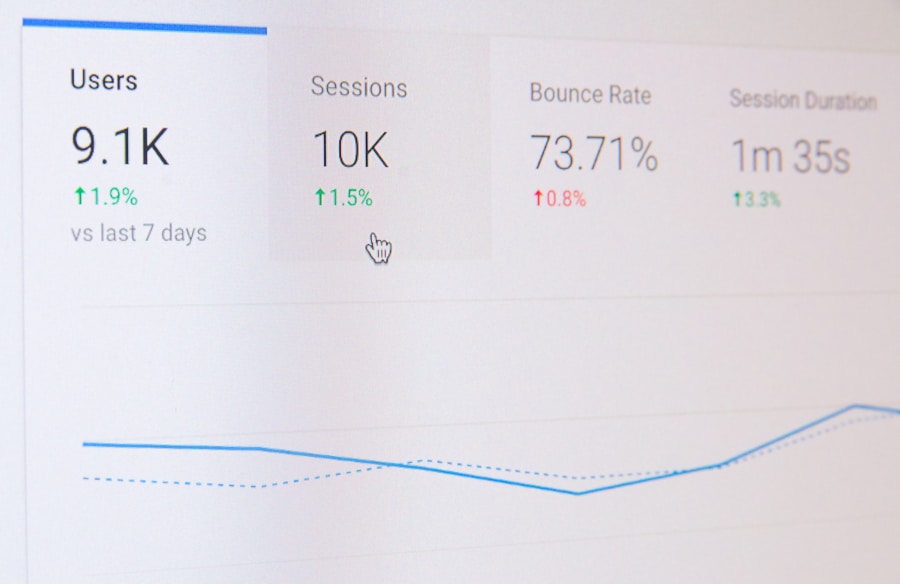
Monitoring and adjusting for long-term success is where the journey truly continues. After implementing changes based on feedback, I don’t just sit back and relax; I keep a close eye on metrics to gauge the impact of those changes. Are users engaging more with the product?
Is churn decreasing? Long-term success requires a commitment to ongoing evaluation and adaptation.
The SaaS landscape is constantly evolving, and so are customer needs. By staying attuned to market trends and user behavior, I can ensure that my product remains relevant and valuable over time. It’s not just about surviving; it’s about thriving in an ever-changing environment by continuously refining my approach based on data-driven insights and customer feedback.
In conclusion, navigating feature bloat in SaaS products requires a multifaceted approach that prioritizes user needs, embraces agile practices, and fosters open communication with customers. By conducting thorough audits, streamlining experiences, and remaining adaptable, I can create products that not only meet but exceed user expectations—ultimately leading to long-term success in this competitive landscape.
If you are interested in learning more about product strategy and achieving success in the competitive landscape of SaaS products, you may find the article Mastering the Landscape of Product Strategy: A Guide to Navigating Obstacles and Achieving Success to be a valuable resource. This article delves into the crucial role of product vision and communication in product management, providing insights that can help you streamline your SaaS product and enhance customer satisfaction.