Loading...
ArchiveCybersecurity
How to Detect and Block Brute Force Attacks on SaaS Login Pages Without Impacting UX
This is an archived article from the previous version of this site. It is preserved here for reference.
Brute force attacks are a fundamental yet alarming aspect of cybersecurity that I have come to understand deeply. At their core, these attacks involve an automated process where an attacker systematically attempts to guess a password or encryption key by trying every possible combination until the correct one is found. This method can be surprisingly effective, especially against weak passwords, and it highlights the importance of robust security measures in our digital landscape.
The sheer computational power available today means that even complex passwords can be cracked in a matter of hours or days if the attacker has sufficient resources. As I delve deeper into the mechanics of brute force attacks, I realize that they can take various forms. The most common type is the simple password guessing attack, where an attacker uses software tools to input a list of potential passwords.
However, there are also more sophisticated variations, such as dictionary attacks, which utilize precompiled lists of common passwords and phrases. Understanding these nuances is crucial for anyone involved in cybersecurity, as it allows me to better anticipate potential threats and develop effective countermeasures.
Key Takeaways
- Brute force attacks are a common method used by hackers to gain unauthorized access to systems by trying multiple password combinations.
- Signs of a brute force attack on SaaS login pages include multiple failed login attempts from the same IP address, unusual login times, and a sudden increase in login attempts.
- Security measures to block brute force attacks include implementing strong password requirements, using multi-factor authentication, and regularly updating and patching software.
- Utilizing CAPTCHA and two-factor authentication can add an extra layer of security to SaaS login pages and help prevent brute force attacks.
- Monitoring and analyzing login attempts can help identify patterns and potential brute force attacks, allowing for proactive security measures to be implemented.
- Educating users on strong password practices, such as using complex and unique passwords, can help prevent successful brute force attacks.
- Implementing rate limiting and IP blocking can help mitigate brute force attacks by limiting the number of login attempts and blocking suspicious IP addresses.
- Balancing security measures with user experience is important to ensure that security measures do not hinder the usability of the SaaS login pages.
Identifying Signs of a Brute Force Attack on SaaS Login Pages
Unusual Login Patterns
One of the first indicators is an unusual spike in login attempts from a single IP address or a range of addresses. This pattern often suggests that an attacker is trying to gain unauthorized access by bombarding the login page with multiple password attempts.Failed Login Attempts
I pay close attention to failed login attempts that exceed normal thresholds, as this can signal that someone is actively trying to breach an account. Another sign that I have learned to identify is the presence of repeated login attempts for specific user accounts. If I notice that certain accounts are being targeted more than others, it could indicate that the attacker has chosen those accounts based on perceived value or vulnerability.Suspicious Login Activity
Furthermore, I keep an eye out for unusual login times or locations, as these can also be red flags. For instance, if I see multiple login attempts from different geographical locations within a short time frame, it raises alarms about potential malicious activity.Implementing Security Measures to Block Brute Force Attacks
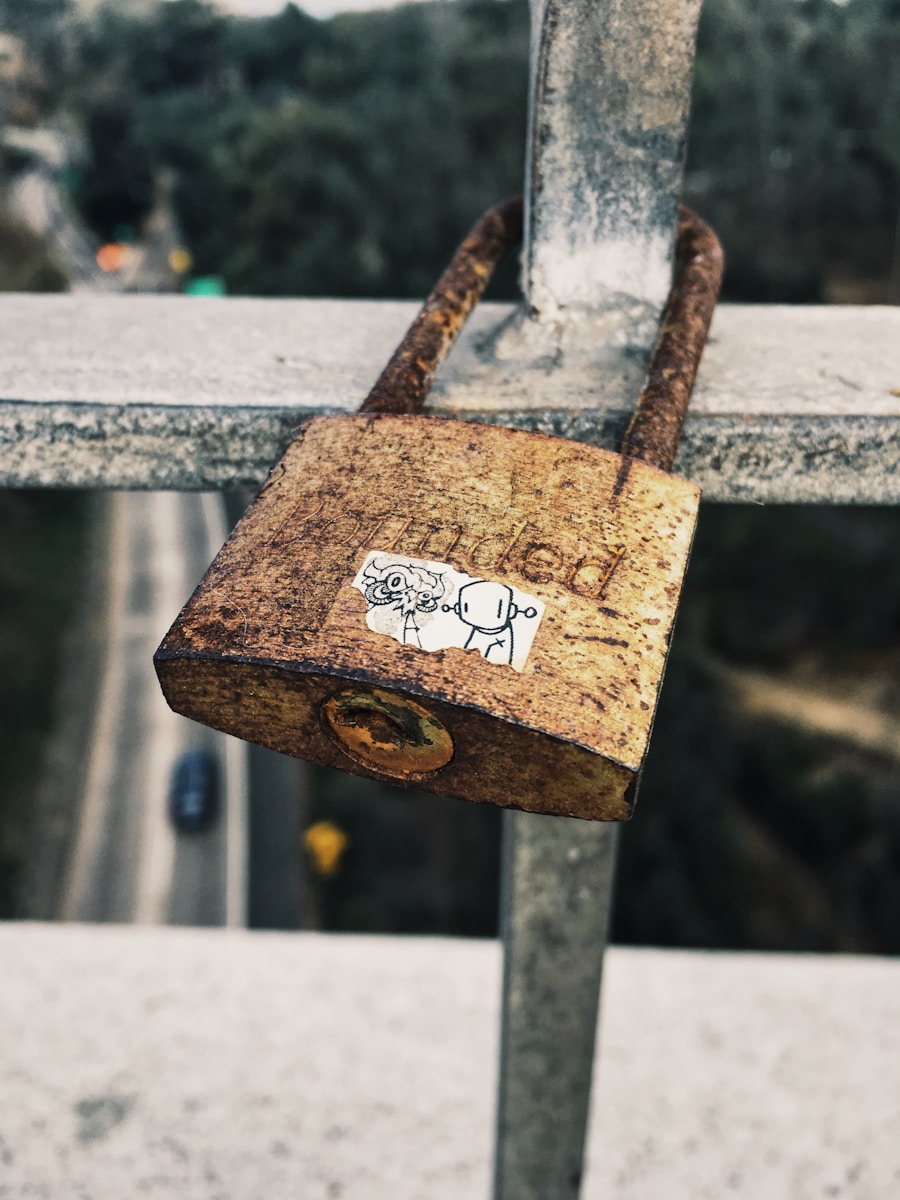
To effectively combat brute force attacks, I have found that implementing a multi-layered security approach is essential. One of the first measures I take is to enforce strong password policies across all user accounts.
By making it more difficult for attackers to guess passwords, I can significantly reduce the likelihood of a successful brute force attack. In addition to strong password policies, I also prioritize the use of account lockout mechanisms. By temporarily locking accounts after a certain number of failed login attempts, I can deter attackers from continuing their efforts.
This not only protects individual accounts but also helps to safeguard the overall integrity of the system. Moreover, I ensure that users are notified when their accounts are locked due to suspicious activity, allowing them to take immediate action if necessary.
Utilizing CAPTCHA and Two-Factor Authentication
In my quest to enhance security against brute force attacks, I have found that implementing CAPTCHA and two-factor authentication (2FA) are two highly effective strategies. CAPTCHA serves as a barrier that requires users to complete a challenge—such as identifying objects in images or solving simple puzzles—before they can access their accounts. This additional layer of verification helps to distinguish between human users and automated bots attempting to execute brute force attacks.
Two-factor authentication adds another layer of security by requiring users to provide a second form of verification in addition to their password. This could be a code sent via SMS or generated by an authentication app. Even if an attacker manages to guess a user's password, they would still need access to the second factor to gain entry.
I have seen firsthand how these measures can drastically reduce the risk of unauthorized access and provide users with greater peace of mind regarding their account security.
Monitoring and Analyzing Login Attempts
Continuous monitoring and analysis of login attempts are critical components of my security strategy against brute force attacks. By utilizing advanced logging and monitoring tools, I can track login attempts in real-time and identify patterns that may indicate malicious activity. This proactive approach allows me to respond swiftly to potential threats before they escalate into more significant issues.
I also make it a point to analyze historical data related to login attempts. By reviewing trends over time, I can identify recurring patterns or anomalies that may warrant further investigation. For instance, if I notice a sudden increase in failed login attempts during specific hours or from particular geographic locations, it may indicate an ongoing attack that requires immediate attention.
This data-driven approach not only enhances my ability to detect threats but also informs my overall security strategy moving forward.
Educating Users on Strong Password Practices

One of the most effective ways I can bolster security against brute force attacks is by educating users on strong password practices. I emphasize the importance of creating unique passwords for each account and avoiding easily guessable information such as birthdays or common words. By providing resources and guidelines on how to create strong passwords, I empower users to take control of their own security.
Additionally, I encourage users to utilize password managers as a means of securely storing and managing their passwords. These tools can generate complex passwords and automatically fill them in when needed, reducing the temptation to reuse passwords across multiple sites. By fostering a culture of security awareness among users, I can significantly decrease the likelihood of successful brute force attacks targeting our systems.
Implementing Rate Limiting and IP Blocking
To further enhance my defenses against brute force attacks, I have implemented rate limiting and IP blocking measures. Rate limiting restricts the number of login attempts allowed from a single IP address within a specified timeframe. This approach effectively slows down attackers who rely on rapid-fire guessing techniques while allowing legitimate users to access their accounts without undue hindrance.
In conjunction with rate limiting, I also monitor for suspicious IP addresses and implement blocking measures when necessary. If I identify an IP address associated with repeated failed login attempts or other malicious behavior, I can proactively block it from accessing our systems altogether. This dual approach not only protects individual accounts but also fortifies the overall security posture of our SaaS platform.
Balancing Security Measures with User Experience
While implementing robust security measures is paramount in defending against brute force attacks, I am acutely aware of the need to balance these measures with user experience. Overly stringent security protocols can lead to frustration among users, potentially driving them away from our platform. Therefore, I strive to create a seamless experience that prioritizes both security and usability.
To achieve this balance, I focus on implementing user-friendly security features such as single sign-on (SSO) options and intuitive authentication processes. By streamlining the login experience while still maintaining strong security protocols, I can ensure that users feel secure without feeling burdened by excessive barriers. Ultimately, my goal is to create an environment where users can confidently access their accounts while knowing that their information is well-protected against potential threats like brute force attacks. By recognizing the signs of such attacks, employing robust security measures like CAPTCHA and two-factor authentication, and educating users on best practices, I can significantly enhance our defenses against these threats. Continuous monitoring and analysis further empower me to stay ahead of potential risks while balancing security with user experience remains a top priority in my approach to cybersecurity.
If you are interested in enhancing your entrepreneurial success, you may want to check out the article The Power of Routine: A Key to Entrepreneurial Success. This article discusses the importance of establishing a routine to help drive productivity and success in your business endeavors. By implementing a routine, you can create structure and consistency in your work, ultimately leading to greater achievements.