This is an archived article from the previous version of this site. It is preserved here for reference.
Augmented reality (AR) games have gained popularity in recent years, providing players with immersive and interactive experiences. However, it is essential to consider the diverse abilities and needs of players when designing these games. User accessibility in AR games is critical to ensure that individuals with varying physical or cognitive abilities can fully participate and enjoy the gaming experience.
By prioritizing accessibility, game developers can foster a more inclusive and diverse gaming community, ultimately enhancing the overall experience for all players. User accessibility in AR games is crucial for several reasons. Firstly, it ensures equal opportunities for all players to engage with and enjoy the game.
Implementing accessibility features, such as customizable controls and alternative input methods, enables players with disabilities to fully participate in the gaming experience. Secondly, prioritizing accessibility creates a more welcoming and inclusive gaming community where all players feel valued and represented. By understanding the importance of user accessibility in AR games, developers can work towards creating a gaming environment that accommodates the individual needs and abilities of all players.
Key Takeaways
- User accessibility is crucial in augmented reality games to ensure that all players can fully enjoy the gaming experience.
- Common challenges for users with accessibility needs in AR games include physical disabilities, visual impairments, and cognitive limitations.
- Designing intuitive and customizable controls for AR games can help accommodate a wide range of accessibility needs and preferences.
- Implementing voice commands and gestures can enhance user accessibility by providing alternative input methods for players with physical limitations.
- Providing clear and consistent feedback is essential for users with accessibility needs to understand and navigate the game effectively.
Identifying Common Challenges for Users with Accessibility Needs in AR Games
Accessibility in AR Games: Breaking Down Barriers
AR games have the potential to be incredibly immersive and engaging, but they can also present unique challenges for players with accessibility needs. To create a more inclusive gaming experience, it's essential to recognize the common obstacles that players may face.
Physical and Sensory Disabilities
One of the most significant challenges is related to physical disabilities, which can impact a player's ability to use traditional input methods, such as controllers or touchscreens. Additionally, players with visual or auditory impairments may struggle to engage with AR games that rely heavily on visual or audio cues.
Cognitive Disabilities and Complex Game Mechanics
Cognitive disabilities can also present challenges, as some players may have difficulty processing complex information or navigating intricate game mechanics. By understanding these challenges, game developers can work towards implementing solutions that address these issues and provide a more accessible gaming experience.
Lack of Customizable Controls and Input Options
Another common challenge for users with accessibility needs in AR games is the lack of customizable controls and input options. Many traditional games rely on standardized control schemes, which may not be suitable for players with physical disabilities or limitations. By providing alternative input methods and sensory feedback options, game developers can ensure that all players can participate in the game on equal footing.
Designing Intuitive and Customizable Controls for AR Games
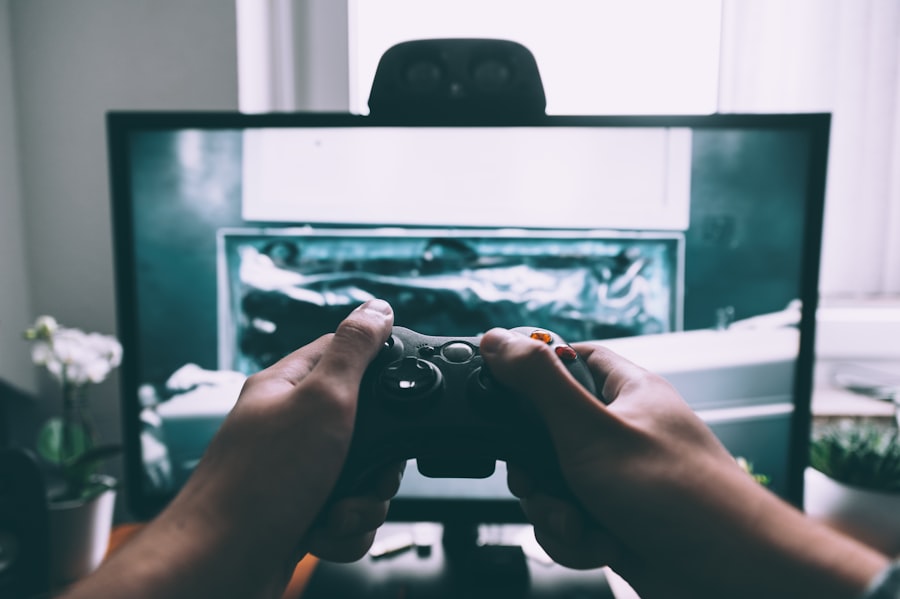
In order to address the challenges faced by users with accessibility needs in AR games, it's crucial to design intuitive and customizable controls that cater to a diverse range of abilities and preferences. One approach to achieving this is by offering customizable control schemes that allow players to remap buttons, adjust sensitivity settings, and choose alternative input methods that best suit their individual needs. By providing players with the flexibility to customize their controls, developers can empower users with accessibility requirements to play the game in a way that is comfortable and accessible for them.
Another important aspect of designing intuitive controls for AR games is to prioritize simplicity and ease of use. Complex control schemes and convoluted input methods can present barriers for players with cognitive disabilities or limited dexterity. By streamlining the control interface and minimizing unnecessary inputs, developers can create a more intuitive and user-friendly gaming experience for all players.
Additionally, providing clear and concise instructions on how to use the controls can help to ensure that players understand how to navigate the game effectively, regardless of their individual abilities.
Implementing Voice Commands and Gestures for User Accessibility
In addition to customizable controls, implementing voice commands and gestures can significantly enhance user accessibility in AR games. Voice commands offer an alternative input method for players with physical disabilities or limitations, allowing them to interact with the game using their voice instead of traditional controllers or touchscreens. Similarly, gestures can provide an intuitive and accessible input method for players who may have difficulty using traditional controls.
By incorporating these alternative input options, developers can create a more inclusive gaming experience that caters to a diverse range of abilities and needs. Furthermore, implementing voice commands and gestures can also enhance the overall immersion and interactivity of AR games. By allowing players to use their voice or gestures to control in-game actions and interactions, developers can create a more dynamic and engaging gaming experience.
This not only benefits players with accessibility needs but also adds an extra layer of depth and immersion for all players. Ultimately, by implementing voice commands and gestures for user accessibility, developers can create a more inclusive and interactive gaming experience that caters to a diverse range of abilities and preferences.
Providing Clear and Consistent Feedback for Users with Accessibility Needs
Clear and consistent feedback is essential for users with accessibility needs in AR games, as it helps them understand their actions and interactions within the game environment. Visual and auditory feedback cues are particularly important for players with visual or auditory impairments, as they rely on these cues to navigate the game effectively. By providing clear and consistent feedback, developers can ensure that all players have access to the information they need to make informed decisions and progress through the game.
In addition to visual and auditory feedback, it's also important to consider alternative feedback options for players with accessibility needs. Tactile feedback, such as vibration or haptic feedback, can provide valuable sensory cues for players with visual or auditory impairments. Similarly, text-based feedback options can benefit players with cognitive disabilities who may struggle to process complex visual or auditory information.
By providing a variety of feedback options that cater to different sensory preferences and needs, developers can create a more inclusive gaming experience that is accessible to all players.
Testing and Gathering Feedback from Users with Accessibility Needs

Valuable Insights into Accessibility Requirements
Involving players with diverse abilities and needs in the testing process is crucial for ensuring that AR games are truly accessible and inclusive. By doing so, developers can gain valuable insights into how well the game caters to different accessibility requirements. This feedback can help identify any potential barriers or challenges that may impact the gaming experience for users with accessibility needs, allowing developers to make informed decisions about how to improve the game's accessibility features.
Identifying Areas for Improvement and Innovation
Gathering feedback from users with accessibility needs can also help developers identify areas for improvement and innovation. By listening to the experiences and suggestions of these players, developers can gain valuable insights into how to enhance the game's accessibility features and create a more inclusive gaming experience. This collaborative approach not only benefits users with accessibility needs but also contributes to the overall improvement of the game for all players.
Towards Accessible, Inclusive, and Enjoyable AR Games
Ultimately, by testing and gathering feedback from users with accessibility needs, developers can work towards creating AR games that are accessible, inclusive, and enjoyable for everyone.
Continuously Improving Accessibility Features Based on User Feedback and Evolving Technology
Finally, it's important for developers to continuously improve accessibility features based on user feedback and evolving technology. As technology advances and new innovations emerge, developers have the opportunity to explore new ways of enhancing user accessibility in AR games. By staying informed about the latest advancements in accessibility technology, developers can identify new opportunities for improving the game's accessibility features and ensuring that it remains inclusive and accessible for all players.
Moreover, by listening to user feedback and incorporating suggestions for improvement, developers can continuously refine and enhance the game's accessibility features over time. This iterative approach allows developers to address any potential barriers or challenges that may arise, ensuring that the game remains accessible and enjoyable for all players. By continuously improving accessibility features based on user feedback and evolving technology, developers can create a gaming environment that is truly inclusive and welcoming to all, regardless of their individual abilities and needs.
In conclusion, user accessibility is a crucial consideration for developers of augmented reality games. By understanding the importance of user accessibility, identifying common challenges for users with accessibility needs, designing intuitive controls, implementing alternative input methods such as voice commands and gestures, providing clear feedback cues, testing with users who have accessibility needs, gathering feedback from them, and continuously improving based on this feedback as well as evolving technology; developers can create a more inclusive gaming experience that caters to a diverse range of abilities and preferences. Ultimately, prioritizing user accessibility in AR games not only benefits players with accessibility needs but also contributes to creating a more welcoming and diverse gaming community for all.
FAQs
What is user accessibility in augmented reality games?
User accessibility in augmented reality games refers to the design and implementation of features that make the game easy to use and enjoyable for all players, including those with disabilities or limitations.
Why is user accessibility important in augmented reality games?
User accessibility is important in augmented reality games to ensure that all players, regardless of their abilities, can fully participate and enjoy the game. It also helps to create a more inclusive and diverse gaming community.
What are easy-to-use controls in augmented reality games?
Easy-to-use controls in augmented reality games are user interface elements and input methods that are intuitive, simple, and accessible to a wide range of players. This can include options for customizable controls, gesture-based interactions, and voice commands.
How can designers ensure easy-to-use controls in augmented reality games?
Designers can ensure easy-to-use controls in augmented reality games by conducting user testing with individuals of varying abilities, providing customizable control options, implementing clear and concise instructions, and considering the physical and cognitive limitations of players.
What are some examples of easy-to-use controls in augmented reality games?
Examples of easy-to-use controls in augmented reality games include simple gesture-based interactions, voice commands for navigation and actions, customizable button layouts, and options for adjusting the game's difficulty level.