Loading...
ArchiveProduct
How to Build a SaaS Product Roadmap That Balances Customer Requests and Business Goals
This is an archived article from the previous version of this site. It is preserved here for reference.
As I delve into the world of Software as a Service (SaaS), I quickly realize that a well-structured product roadmap is not just a luxury; it’s a necessity. A SaaS product roadmap serves as a strategic guide that outlines the vision, direction, and progress of a product over time. It acts as a compass, helping me navigate through the complexities of product development while ensuring that I remain aligned with both customer needs and business objectives.
Without this roadmap, I risk losing sight of my goals, which can lead to wasted resources and missed opportunities. It fosters transparency and collaboration among various teams, including development, marketing, and sales.
By having a clear visual representation of where the product is headed, I can effectively communicate my vision to stakeholders and ensure that everyone is on the same page. This alignment is crucial in a fast-paced environment where priorities can shift rapidly. A well-articulated roadmap not only keeps me focused but also inspires confidence in my team and stakeholders, reinforcing the belief that we are moving in the right direction.
Key Takeaways
- A SaaS product roadmap is crucial for guiding the development and evolution of a software product.
- Identifying customer requests and aligning them with business goals is essential for creating a successful roadmap.
- Prioritizing customer requests and business goals helps in focusing on the most impactful features and improvements.
- Creating a timeline for implementation ensures that the roadmap is executed in a timely manner.
- Communicating the roadmap to stakeholders is important for aligning everyone towards the same goals and expectations.
Identifying Customer Requests and Business Goals
Building a Comprehensive Picture
This process allows me to build a comprehensive picture of what features or improvements will add the most value to their experience. By prioritizing customer requests, I can ensure that my product evolves in a way that resonates with its users.Aligning with Business Goals
Simultaneously, I must keep an eye on the overarching business goals, which often include increasing revenue, expanding market share, or enhancing customer satisfaction. Balancing customer needs with business objectives can be challenging, but it’s essential for long-term success. I strive to align my product development efforts with these goals by identifying opportunities where customer requests can drive business growth.Win-Win Situations
For instance, if customers are asking for a specific feature that could also attract new users, it becomes a win-win situation that I cannot afford to overlook.Prioritizing Customer Requests and Business Goals
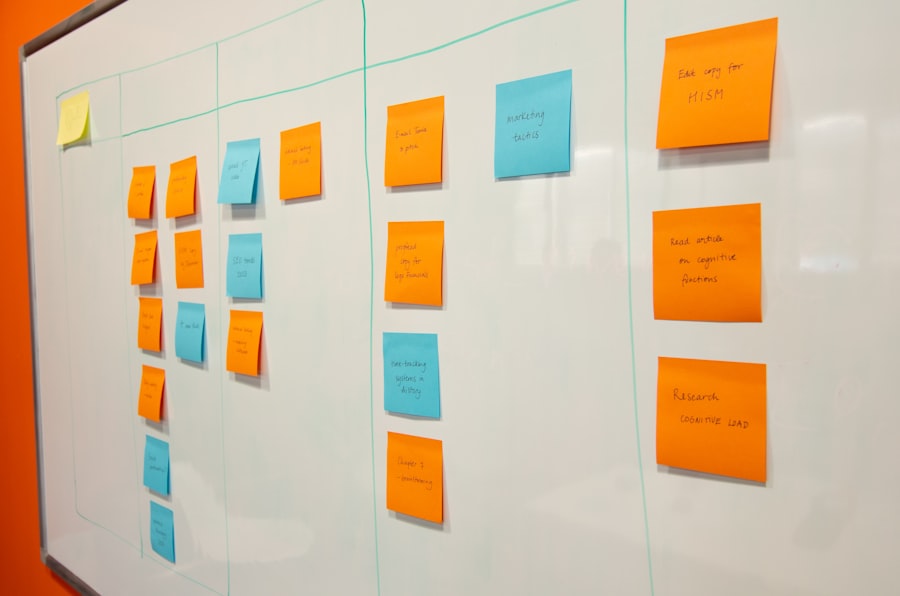
Once I have gathered a wealth of information regarding customer requests and business goals, the next step is prioritization. This is where the real challenge lies. Not all requests are created equal; some may have a more significant impact on user satisfaction or revenue generation than others.
To tackle this, I often employ various prioritization frameworks such as the MoSCoW method (Must have, Should have, Could have, Won't have) or the RICE scoring model (Reach, Impact, Confidence, Effort). These frameworks help me objectively evaluate each request based on its potential value and feasibility. In addition to these frameworks, I also consider the urgency of each request.
Some features may be critical for retaining existing customers or addressing immediate pain points, while others might be more aspirational. By weighing both the potential impact and urgency of each request, I can create a prioritized list that guides my development efforts.
Creating a Timeline for Implementation
With a prioritized list of customer requests and business goals in hand, I turn my attention to creating a timeline for implementation. This step is crucial as it provides a structured approach to executing my roadmap. I begin by breaking down each prioritized request into actionable tasks and estimating the time required for each task.
This granular approach allows me to visualize the workload and allocate resources effectively. As I develop the timeline, I also consider dependencies between tasks. Some features may require foundational work before they can be implemented, while others might be able to be developed concurrently.
By mapping out these dependencies, I can create a realistic timeline that minimizes bottlenecks and maximizes efficiency. Additionally, I make sure to build in buffer time for unexpected challenges or delays. A well-thought-out timeline not only keeps my team organized but also sets clear expectations for stakeholders regarding when they can expect new features or improvements.
Communicating the Roadmap to Stakeholders
Effective communication of the roadmap to stakeholders is another critical aspect of my role. Once I have developed a comprehensive roadmap complete with timelines and priorities, I need to share it with various stakeholders, including team members, executives, and even customers. The way I present this information can significantly impact how it is received and understood.
I often use visual aids such as charts or slides to convey complex information in an easily digestible format. By highlighting key milestones and deliverables, I can provide stakeholders with a clear understanding of our direction and progress. Additionally, I encourage open dialogue during these presentations, allowing stakeholders to ask questions or provide feedback.
This collaborative approach not only fosters buy-in but also helps me identify any concerns or suggestions that may need to be addressed as we move forward.
Iterating and Adapting the Roadmap as Needed
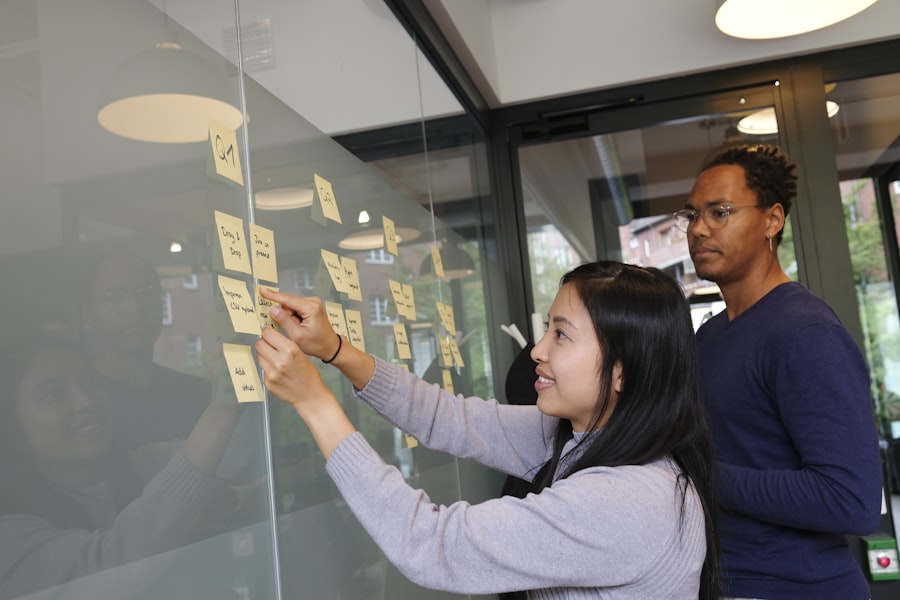
In the dynamic landscape of SaaS development, rigidity can be detrimental. As I implement my roadmap, I remain vigilant about the need for iteration and adaptation. Market conditions change rapidly, customer needs evolve, and new technologies emerge; therefore, it’s essential for me to be flexible in my approach.
Regularly reviewing and updating the roadmap ensures that it remains relevant and aligned with both customer expectations and business goals. I often schedule periodic check-ins with my team to assess our progress against the roadmap. During these meetings, we discuss what’s working well and what challenges we are facing.
If certain features are taking longer than anticipated or if new customer feedback suggests a shift in priorities, I am prepared to adjust our plans accordingly. This iterative process not only keeps us agile but also reinforces a culture of continuous improvement within my team.
Incorporating Feedback from Customers and Internal Teams
Feedback is an invaluable resource in shaping my SaaS product roadmap. As I gather insights from customers and internal teams alike, I recognize that their perspectives can provide critical guidance on how to enhance our offerings. Customer feedback often reveals areas where we can improve user experience or address unmet needs, while input from internal teams—such as sales or support—can highlight common pain points encountered during customer interactions.
To effectively incorporate this feedback into my roadmap, I establish regular channels for communication with both customers and internal teams. This could involve setting up feedback sessions, surveys, or even informal discussions to gather insights continuously. By actively listening to their suggestions and concerns, I can make informed decisions about which features or improvements should be prioritized in our development efforts.
Monitoring and Measuring Success of the Roadmap
Finally, monitoring and measuring the success of my SaaS product roadmap is essential for understanding its impact on both customers and the business as a whole. To do this effectively, I establish key performance indicators (KPIs) that align with our goals—such as user engagement metrics, customer satisfaction scores, or revenue growth figures. By tracking these metrics over time, I can assess whether our roadmap is delivering the desired outcomes.
In addition to quantitative measures, qualitative feedback from customers also plays a crucial role in evaluating success. Conducting user interviews or surveys post-implementation allows me to gauge how well new features are meeting their needs. If certain aspects are falling short of expectations, it provides an opportunity for further refinement and improvement.
Ultimately, by continuously monitoring our progress and adapting our strategies based on data-driven insights, I can ensure that our SaaS product remains competitive and valuable in an ever-evolving market landscape. In conclusion, navigating the complexities of developing a SaaS product requires a strategic approach grounded in understanding customer needs and aligning them with business goals. By creating a comprehensive product roadmap that incorporates prioritization, effective communication, iteration, feedback incorporation, and success measurement, I position myself—and my team—for long-term success in delivering exceptional value to our users while achieving our organizational objectives.
If you're interested in the evolution of technology, you may also enjoy reading about the journey from Eliza to GPT-4 in the article "The Evolution of Conversational AI: A Journey from Eliza to GPT-4". This article explores the advancements in conversational AI over the years, highlighting the progress made from early chatbots to the sophisticated models we have today. It's a fascinating look at how technology has evolved to meet the demands of users and businesses alike.