Loading...
ArchiveProduct
How to Build a SaaS Document Collaboration System That Competes with Google Docs
This is an archived article from the previous version of this site. It is preserved here for reference.
As I delve into the intricacies of the market, I find it essential to grasp the dynamics that govern consumer behavior and industry trends. The market is a living entity, constantly evolving with the introduction of new technologies and shifting consumer preferences. To truly understand it, I must analyze various factors, including demographics, purchasing patterns, and emerging technologies.
By conducting thorough market research, I can identify gaps and opportunities that may not be immediately apparent. This process involves gathering data from surveys, focus groups, and industry reports, allowing me to paint a comprehensive picture of the landscape in which I operate. Moreover, understanding the market also means keeping an eye on competitors.
I need to assess their strengths and weaknesses, as well as their strategies for attracting and retaining customers. By benchmarking against these competitors, I can identify best practices and innovative approaches that I can adapt for my own purposes. This competitive analysis not only informs my strategic decisions but also helps me position my offerings more effectively.
Ultimately, a deep understanding of the market equips me with the insights necessary to make informed decisions that drive growth and success.
Key Takeaways
- Understanding the market is crucial for developing a successful software product, as it helps in identifying the needs and preferences of the target audience.
- Identifying key features that align with the market demand is essential for creating a competitive and valuable software product.
- Designing a user-friendly interface is important for ensuring a positive user experience and increasing user adoption and satisfaction.
- Ensuring security and privacy measures are in place is vital for building trust with users and protecting sensitive data.
- Integrating with other software systems can enhance the functionality and usability of the product, providing added value to users.
Identifying Key Features
Once I have a firm grasp of the market landscape, the next step is to identify the key features that will set my product apart from the competition. This process begins with a thorough analysis of customer needs and preferences. I must engage with potential users to understand what they value most in a product or service.
Through interviews, surveys, and usability testing, I can gather invaluable feedback that will guide my feature development. It’s crucial for me to prioritize features that not only meet user expectations but also enhance their overall experience. In addition to user feedback, I also consider industry standards and technological advancements when identifying key features.
By staying informed about the latest trends and innovations, I can incorporate cutting-edge functionalities that will appeal to tech-savvy consumers. For instance, if I am developing a software application, integrating artificial intelligence or machine learning capabilities could provide significant value. Ultimately, the key features I choose to implement should align with my overall vision while addressing the specific needs of my target audience.
Designing a User-Friendly Interface
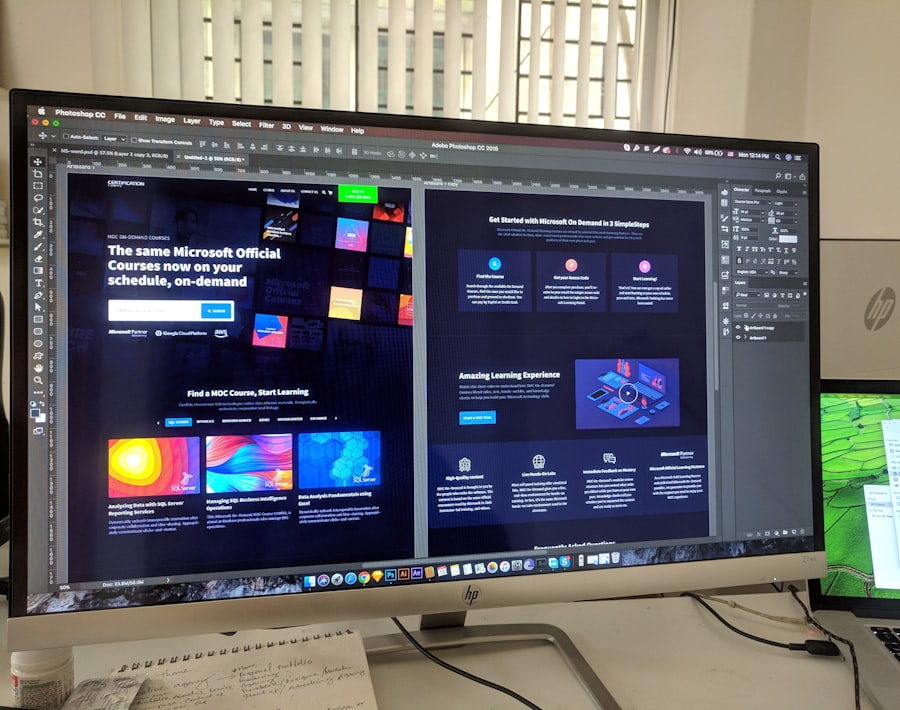
With a clear understanding of the market and key features in mind, I turn my attention to designing a user-friendly interface. The interface is often the first point of interaction between users and my product, making it critical for me to create an intuitive and engaging experience. I begin by sketching out wireframes and prototypes that outline the layout and functionality of the interface.
This iterative design process allows me to visualize how users will navigate through the application and interact with its features. To ensure that my interface is user-friendly, I prioritize simplicity and clarity in my design choices. I aim to minimize cognitive load by using familiar design patterns and straightforward navigation structures.
Additionally, I pay close attention to accessibility considerations, ensuring that my product is usable by individuals with varying abilities. By conducting usability testing with real users, I can gather feedback on their experiences and make necessary adjustments before launching the final product. A well-designed interface not only enhances user satisfaction but also fosters loyalty and encourages repeat usage.
Ensuring Security and Privacy
In today’s digital landscape, ensuring security and privacy is paramount. As I develop my product, I must prioritize safeguarding user data against potential breaches and unauthorized access. This involves implementing robust security measures such as encryption, secure authentication protocols, and regular security audits.
By adopting industry best practices for data protection, I can instill confidence in my users that their information is safe in my hands. Moreover, transparency is key when it comes to privacy. I need to clearly communicate how user data will be collected, stored, and utilized.
By providing users with control over their personal information—such as options to opt-in or opt-out of data collection—I can build trust and foster a positive relationship with my audience. Additionally, staying compliant with regulations such as GDPR or CCPA is essential for maintaining credibility in the market. By prioritizing security and privacy, I not only protect my users but also enhance my brand reputation.
Integrating with Other Software
As I develop my product, I recognize the importance of integration with other software solutions. In an increasingly interconnected world, users often rely on multiple tools to accomplish their tasks efficiently. By ensuring that my product can seamlessly integrate with popular applications—such as CRM systems, project management tools, or communication platforms—I can enhance its value proposition significantly.
This interoperability allows users to streamline their workflows and reduces the friction associated with switching between different tools. By collaborating with third-party developers or utilizing existing integration frameworks, I can create a cohesive ecosystem that enhances user experience.
Additionally, providing clear documentation and support for integration will empower users to leverage these capabilities effectively. Ultimately, by focusing on integration, I can position my product as an indispensable part of users’ daily operations.
Providing Excellent Customer Support

Multiple Support Channels
This begins with establishing multiple support channels—such as email, live chat, and phone support—to cater to different customer preferences.Proactive Customer Engagement
By creating comprehensive resources such as FAQs, knowledge bases, and tutorial videos, I can empower customers to find solutions independently. Furthermore, soliciting feedback about their support experiences allows me to continuously improve my service offerings.Enhancing User Satisfaction
A commitment to excellent customer support not only enhances user satisfaction but also encourages positive word-of-mouth referrals. By being readily available to address concerns, I can foster a sense of trust and reliability among my customer base.Marketing and Promotion
Once my product is ready for launch, it’s time to shift focus toward marketing and promotion strategies that will drive awareness and adoption. In today’s crowded marketplace, standing out requires a well-thought-out marketing plan that resonates with my target audience. I begin by defining clear marketing objectives—whether it’s increasing brand awareness, generating leads, or driving conversions—and tailoring my messaging accordingly.
I explore various marketing channels to reach potential customers effectively. Social media platforms offer an excellent opportunity for engagement and brand building; therefore, I create compelling content that showcases the unique features of my product while encouraging interaction with followers. Additionally, leveraging search engine optimization (SEO) techniques ensures that my website ranks well in search results, making it easier for users to discover my offering organically.
By combining digital marketing efforts with traditional methods—such as events or partnerships—I can create a comprehensive promotional strategy that maximizes reach.
Continuously Improving and Updating the System
The journey doesn’t end once my product is launched; rather, it marks the beginning of an ongoing process of improvement and adaptation. To remain competitive in a rapidly changing market, I must commit to continuously updating and enhancing my system based on user feedback and emerging trends. Regularly releasing updates not only addresses bugs or performance issues but also introduces new features that keep users engaged.
I establish a feedback loop where users can share their experiences and suggestions for improvement. By actively listening to their input, I can prioritize enhancements that align with their needs while also exploring innovative ideas that may arise from user interactions. Additionally, staying informed about industry developments allows me to anticipate changes in technology or consumer behavior that may impact my product’s relevance. In conclusion, navigating the complexities of product development requires a multifaceted approach that encompasses understanding the market, identifying key features, designing user-friendly interfaces, ensuring security and privacy, integrating with other software solutions, providing excellent customer support, implementing effective marketing strategies, and committing to continuous improvement. Each of these elements plays a vital role in creating a successful product that meets user needs while standing out in a competitive marketplace.
As I embark on this journey, I remain dedicated to delivering value to my customers while adapting to the ever-changing landscape of technology and consumer expectations.
If you are interested in learning more about the importance of error messages in SaaS products, you should check out The Art of Error Messages in SaaS: A Vital Ingredient for Success. This article discusses how well-crafted error messages can enhance the user experience and ultimately contribute to the success of a SaaS product. It is a crucial aspect to consider when building a document collaboration system that competes with Google Docs.