Loading...
ArchiveTechnology
Exploring the Future of Augmented Reality in Everyday Life
This is an archived article from the previous version of this site. It is preserved here for reference.
Augmented reality (AR) is a technology that superimposes digital content onto the real world, enhancing the user's perception of their environment. Unlike virtual reality, which creates a fully immersive digital experience, AR integrates virtual elements with the physical world. This technology has gained prominence in recent years due to its potential to transform various aspects of daily life.
AR can be experienced through dedicated AR glasses, smartphones, tablets, and other devices equipped with AR capabilities. While the concept of AR has existed for decades, recent technological advancements have made it more accessible and practical for widespread adoption. The potential applications of AR span numerous industries, including education, healthcare, entertainment, and manufacturing.
By overlaying digital information onto the real world, AR can provide valuable context and insights in real-time, potentially enhancing productivity and decision-making processes. As the technology continues to evolve, it is expected to have a significant impact on how people interact with their surroundings, blurring the boundaries between physical and digital realms. AR's ability to seamlessly integrate virtual content into the real world offers opportunities for enhanced learning experiences, improved medical procedures, immersive entertainment, and more efficient industrial processes.
As AR technology becomes more sophisticated and widely available, its influence on various aspects of society is likely to grow, potentially revolutionizing how we perceive and interact with our environment.
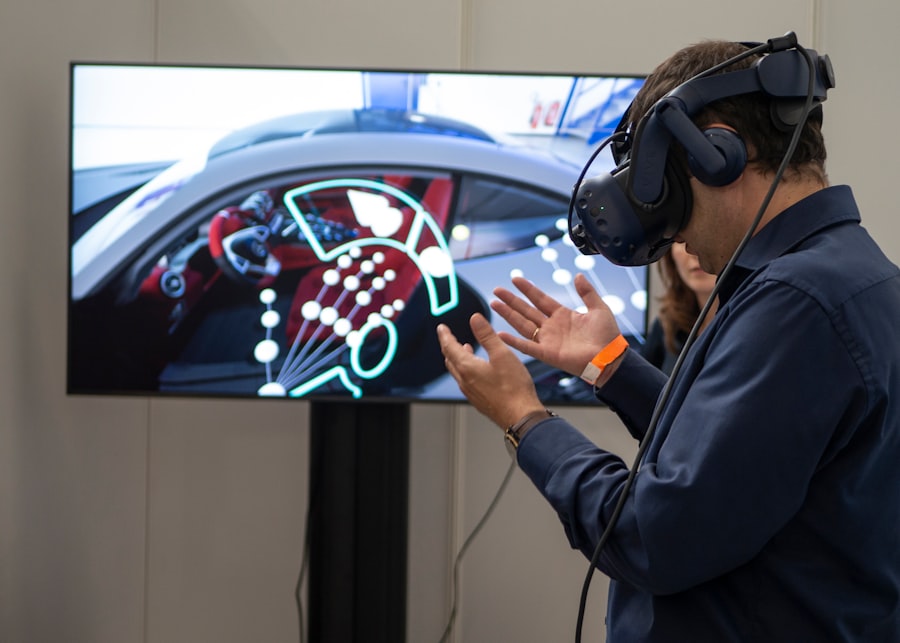
The future of augmented reality holds exciting possibilities for further advancements and innovations that could significantly impact everyday life. One area of development is the improvement of AR hardware, such as smart glasses and headsets, to provide more immersive and seamless experiences. As technology continues to miniaturize and become more powerful, AR devices are expected to become more lightweight, comfortable, and capable of delivering high-quality visuals.
This could lead to widespread adoption of AR glasses as a mainstream computing platform, enabling users to access information and interact with digital content in a hands-free manner. Another area of potential development is the integration of artificial intelligence (AI) into augmented reality systems to enhance their capabilities. AI-powered AR could enable more intelligent and context-aware applications that can understand and respond to the user's environment in real time.
This could lead to personalized and adaptive experiences that cater to individual preferences and needs. Additionally, advancements in computer vision and spatial mapping technologies are expected to improve the accuracy and reliability of AR systems, allowing for more precise placement of virtual objects in the real world.
Augmented reality has the potential to transform communication and social interaction by introducing new ways for people to connect and collaborate in both personal and professional settings. With AR technology, individuals can communicate and share information in more immersive and interactive ways, transcending traditional text-based or video communication. For example, AR can enable users to overlay virtual annotations or drawings onto their surroundings during a video call, enhancing visual communication and collaboration.
In social settings, AR can facilitate shared experiences by allowing multiple users to interact with the same virtual content in a common physical space. This could lead to new forms of social interaction and entertainment, such as collaborative gaming experiences or shared virtual art installations. Furthermore, AR has the potential to bridge geographical barriers by enabling remote collaboration in a more natural and engaging manner.
For example, colleagues from different locations could use AR technology to virtually collaborate on projects as if they were physically present in the same space.
Augmented reality has the potential to revolutionize education and work by providing new tools and experiences that enhance learning, training, and productivity. In education, AR can be used to create immersive and interactive learning experiences that engage students in new ways. For example, AR applications can bring history lessons to life by overlaying historical artifacts and information onto real-world locations, allowing students to explore and interact with virtual content in a meaningful context.
Similarly, AR can be used in science education to visualize complex concepts and phenomena that are difficult to grasp through traditional methods. In the workplace, augmented reality can improve training programs by providing hands-on simulations and real-time guidance for complex tasks. For example, technicians can use AR glasses to receive step-by-step instructions overlaid onto their field of view while performing maintenance or repairs.
This can reduce training time and improve the accuracy of task execution. Additionally, AR can enhance productivity by providing workers with contextual information and data visualization tools that enable them to make informed decisions more efficiently.

In conclusion, augmented reality has the potential to significantly impact everyday life by transforming how we perceive and interact with the world around us. From entertainment and healthcare to education and work, AR technology offers innovative solutions that enhance productivity, communication, and social experiences. As AR continues to evolve, it is important to consider the ethical implications and privacy considerations associated with its widespread adoption.
By addressing these concerns and promoting responsible usage, augmented reality has the potential to shape a future where digital information seamlessly integrates with our physical environment, enriching our daily lives in meaningful ways. As we look ahead, it is clear that augmented reality will play a pivotal role in shaping the future of everyday life for generations to come.
AR can be experienced through dedicated AR glasses, smartphones, tablets, and other devices equipped with AR capabilities. While the concept of AR has existed for decades, recent technological advancements have made it more accessible and practical for widespread adoption. The potential applications of AR span numerous industries, including education, healthcare, entertainment, and manufacturing.
By overlaying digital information onto the real world, AR can provide valuable context and insights in real-time, potentially enhancing productivity and decision-making processes. As the technology continues to evolve, it is expected to have a significant impact on how people interact with their surroundings, blurring the boundaries between physical and digital realms. AR's ability to seamlessly integrate virtual content into the real world offers opportunities for enhanced learning experiences, improved medical procedures, immersive entertainment, and more efficient industrial processes.
As AR technology becomes more sophisticated and widely available, its influence on various aspects of society is likely to grow, potentially revolutionizing how we perceive and interact with our environment.
Key Takeaways
- Augmented Reality (AR) is a technology that overlays digital information onto the real world, enhancing the user's perception of their environment.
- Current applications of AR in everyday life include gaming, navigation, retail, and healthcare, providing users with interactive and immersive experiences.
- Potential future developments in AR technology include improved hardware, more advanced software, and integration with artificial intelligence, leading to even more seamless and personalized experiences.
- AR has the potential to impact communication and social interaction by changing the way people interact with each other and their environment, blurring the lines between the physical and digital worlds.
- AR in education and work can revolutionize learning and training by providing interactive and hands-on experiences, as well as improving productivity and efficiency in various industries.
- Ethical and privacy considerations in the future of AR are important to address, as the technology raises concerns about data privacy, surveillance, and the potential for addiction and disconnection from reality.
- In conclusion, AR is set to play a significant role in shaping the future of everyday life, offering new opportunities and challenges that need to be carefully considered and managed.
Current Applications of Augmented Reality in Everyday Life
Entertainment and Gaming
In the realm of entertainment, AR has been used to create immersive gaming experiences that blend virtual elements with the real world. Popular mobile games like Pokémon Go have demonstrated the potential of AR to engage users in interactive and location-based experiences.Marketing and Advertising
In addition to gaming, AR has also been utilized in the entertainment industry for marketing purposes, allowing consumers to interact with virtual content in the physical world through advertisements and promotional campaigns.Healthcare and Medical Applications
In the field of healthcare, augmented reality has shown promise in improving medical training, patient care, and surgical procedures. Surgeons can use AR technology to overlay medical imaging data onto a patient's body during surgery, providing real-time guidance and enhancing precision. Medical students can also benefit from AR simulations that allow them to practice complex procedures in a realistic and interactive environment. Furthermore, AR applications have been developed to assist individuals with visual impairments by providing audio cues and spatial awareness information through wearable devices.Potential Future Developments in Augmented Reality Technology
The future of augmented reality holds exciting possibilities for further advancements and innovations that could significantly impact everyday life. One area of development is the improvement of AR hardware, such as smart glasses and headsets, to provide more immersive and seamless experiences. As technology continues to miniaturize and become more powerful, AR devices are expected to become more lightweight, comfortable, and capable of delivering high-quality visuals.
This could lead to widespread adoption of AR glasses as a mainstream computing platform, enabling users to access information and interact with digital content in a hands-free manner. Another area of potential development is the integration of artificial intelligence (AI) into augmented reality systems to enhance their capabilities. AI-powered AR could enable more intelligent and context-aware applications that can understand and respond to the user's environment in real time.
This could lead to personalized and adaptive experiences that cater to individual preferences and needs. Additionally, advancements in computer vision and spatial mapping technologies are expected to improve the accuracy and reliability of AR systems, allowing for more precise placement of virtual objects in the real world.
Impacts of Augmented Reality on Communication and Social Interaction
Augmented reality has the potential to transform communication and social interaction by introducing new ways for people to connect and collaborate in both personal and professional settings. With AR technology, individuals can communicate and share information in more immersive and interactive ways, transcending traditional text-based or video communication. For example, AR can enable users to overlay virtual annotations or drawings onto their surroundings during a video call, enhancing visual communication and collaboration.
In social settings, AR can facilitate shared experiences by allowing multiple users to interact with the same virtual content in a common physical space. This could lead to new forms of social interaction and entertainment, such as collaborative gaming experiences or shared virtual art installations. Furthermore, AR has the potential to bridge geographical barriers by enabling remote collaboration in a more natural and engaging manner.
For example, colleagues from different locations could use AR technology to virtually collaborate on projects as if they were physically present in the same space.
Augmented Reality in Education and Work
Augmented reality has the potential to revolutionize education and work by providing new tools and experiences that enhance learning, training, and productivity. In education, AR can be used to create immersive and interactive learning experiences that engage students in new ways. For example, AR applications can bring history lessons to life by overlaying historical artifacts and information onto real-world locations, allowing students to explore and interact with virtual content in a meaningful context.
Similarly, AR can be used in science education to visualize complex concepts and phenomena that are difficult to grasp through traditional methods. In the workplace, augmented reality can improve training programs by providing hands-on simulations and real-time guidance for complex tasks. For example, technicians can use AR glasses to receive step-by-step instructions overlaid onto their field of view while performing maintenance or repairs.
This can reduce training time and improve the accuracy of task execution. Additionally, AR can enhance productivity by providing workers with contextual information and data visualization tools that enable them to make informed decisions more efficiently.
Ethical and Privacy Considerations in the Future of Augmented Reality
Privacy Concerns
One concern is the potential for AR to intrude on individuals' privacy by capturing and displaying sensitive information about people or their surroundings without their consent. For example, AR glasses equipped with facial recognition capabilities could raise concerns about unauthorized surveillance or data collection.Responsible Use and Social Dynamics
It is essential for developers and policymakers to establish clear guidelines and regulations regarding the responsible use of AR technology to protect individuals' privacy rights. Another ethical consideration is the potential impact of augmented reality on social dynamics and human behavior. As AR becomes more integrated into everyday life, there is a risk of over-reliance on digital information at the expense of genuine human connection and interaction.Mental Health and Digital Addiction
It is important to promote responsible usage of AR technology that respects the balance between virtual experiences and real-world relationships. Additionally, there is a need to address issues related to digital addiction and mental health that may arise from excessive use of immersive AR experiences.The Role of Augmented Reality in Shaping the Future Everyday Life
In conclusion, augmented reality has the potential to significantly impact everyday life by transforming how we perceive and interact with the world around us. From entertainment and healthcare to education and work, AR technology offers innovative solutions that enhance productivity, communication, and social experiences. As AR continues to evolve, it is important to consider the ethical implications and privacy considerations associated with its widespread adoption.
By addressing these concerns and promoting responsible usage, augmented reality has the potential to shape a future where digital information seamlessly integrates with our physical environment, enriching our daily lives in meaningful ways. As we look ahead, it is clear that augmented reality will play a pivotal role in shaping the future of everyday life for generations to come.